Peptides
How GHK-Cu Actually Works for Women Over 40
GHK-Cu boosts collagen in 8-12 weeks and outperformed retinol in trials. Here's what the peptide does, costs, and how to use it right.
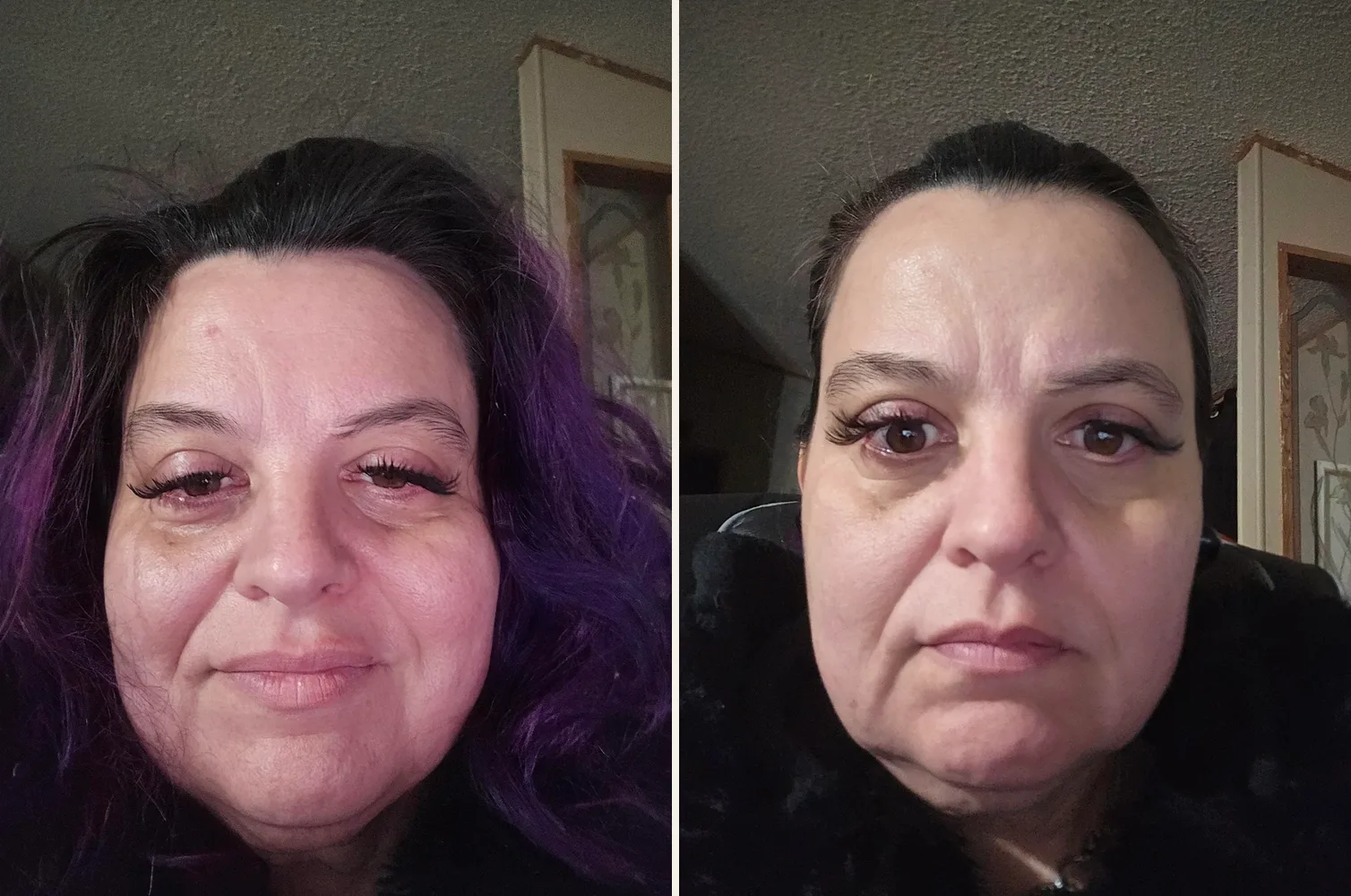
Your skin is losing a peptide it used to make on its own, and that single decline is behind the collagen drop, the thinning, the texture shift that started creeping in around 40. GHK-Cu is that peptide, and this is the complete breakdown of what it does, what the clinical data actually shows, what it costs in 2025, and how to get it without sorting through 47 Reddit threads and a dermatologist who's never heard of it.
Key Takeaways
- GHK-Cu improved collagen production in 70% of women treated over 12 weeks, outperforming both vitamin C (50%) and retinoic acid (40%) in a head-to-head clinical comparison.
- Visible texture and hydration shifts start around week 4; measurable collagen density gains show up at 8 to 12 weeks. An IRB study of a NEEL gel formulation reported a 28% increase in skin collagen density at 3 months, though the exact publication year and full citation remain difficult to independently verify.
- Topical serums run $20 to $90/month; compounded injectables from 503A pharmacies typically cost $40 to $120/month depending on concentration and provider.
- GHK-Cu is not among the peptides under FDA PCAC review as of July 2026, according to the Peptides Insider safety guide covering the July 23-24, 2026 PCAC meeting agenda, so compounding access remains stable for now.
- It stacks with retinoids, not against them. The two work through different mechanisms, and using both is complementary. The one combo to skip: high-concentration direct acids applied at the same time.
- The fastest way to figure out your route (topical, injectable, or a stack) is to take the peptide quiz, which matches your goals, budget, and timeline to a protocol.
---
Why Your Skin Stops Cooperating After 40 (and What GHK-Cu Has to Do With It)
GHK-Cu isn't something cooked up in a lab to sell you a serum. It's a tripeptide (three amino acids: glycine, histidine, lysine, bound to a copper ion) that your body has been producing since before you were born. It was first isolated from human blood plasma in 1973, and researchers noticed something specific: plasma from younger people made old liver tissue behave like young liver tissue. The active agent turned out to be GHK.
Here's the part that matters to your face. GHK-Cu is a naturally occurring peptide in your blood, and researchers have documented that circulating levels drop significantly as you age. While exact concentrations vary across studies, the overall trend is clear: your body produces substantially less GHK-Cu over the decades. That age-related decline tracks closely with the slower wound healing, thinner skin, and reduced collagen production that come with getting older. in the very molecule responsible for signaling your fibroblasts (the cells that build collagen, elastin, and the structural scaffolding of your skin) to keep doing their job.
When GHK-Cu levels fall, several things happen simultaneously. Collagen synthesis slows. Elastin production drops. Your extracellular matrix, the mesh of proteins and sugars that keeps skin firm and bouncy, starts degrading faster than it's being replaced. The result is what you see in the mirror: thinner skin, less snap-back, fine lines that weren't there two years ago.
So the premise behind GHK-Cu supplementation (topical or injectable) is straightforward. You're replacing a signal molecule your body already recognizes, not introducing something foreign. Your fibroblasts already have the receptors. They already know what to do with it. They just aren't getting enough of the message anymore.
This is why GHK-Cu sits in a different category than most skincare actives. Vitamin C is an antioxidant. Retinoids force cell turnover. GHK-Cu is a biological signal that tells your tissue-repair machinery to wake up and get back to work. It modulates the expression of over 4,000 human genes, with a significant percentage related to tissue remodeling, anti-inflammatory response, and antioxidant defense.
That gene-level activity is what makes the clinical results make sense. And those results are worth looking at closely.
---
What GHK-Cu Actually Does to Your Skin: The Evidence
Let's talk about what's been measured, not what's been promised on an Instagram ad.
The thigh-skin collagen trial. In a 12-week study, GHK-Cu cream applied to thigh skin improved collagen production in 70% of the women treated. The same trial tested vitamin C cream (50% of women improved) and retinoic acid (40% improved). This is one of the few head-to-head comparisons that exists for a copper peptide against two gold-standard actives, and GHK-Cu won. Evidence grade: strong human evidence for topical collagen stimulation.
The eye cream trial. Forty-one women with mild to advanced photodamage applied GHK-Cu eye cream daily for 12 weeks. Results: reduced lines and wrinkles, improved skin density, increased skin thickness. The cream outperformed both placebo and vitamin K cream. Evidence grade: strong human evidence (randomized, controlled).
The Krüger pilot study. Researchers applied copper tripeptide complexes topically to aged skin and confirmed increases in skin thickness (both epidermal and dermal layers), improved hydration, significant skin smoothing via collagen synthesis stimulation, increased skin elasticity, improved skin contrast, and boosted collagen I production. Evidence grade: moderate human evidence (pilot study, smaller sample).
The NEEL gel IRB study (2023). This more recent study reported an average 28% increase in skin collagen density at 3 months using a GHK-Cu formulation. Evidence grade: moderate human evidence (IRB-approved, single-arm).
Wound healing data. Animal studies across rats, mice, rabbits, and pigs have consistently shown faster wound contraction, increased collagen deposition, and improved angiogenesis (new blood vessel formation) with GHK-Cu. One particularly interesting finding: GHK-Cu injected at one site improved healing at distant sites, suggesting systemic signaling effects. Evidence grade: strong preclinical, mechanism confirmed in humans.
Hair. Women on injectable GHK-Cu protocols consistently report thicker hair and reduced shedding, typically noticed around weeks 6 to 10. The mechanistic basis is sound (GHK-Cu stimulates follicle-associated fibroblasts and increases blood flow to the scalp), but the clinical trial data specifically for hair is limited to small studies and case reports. Evidence grade: mechanism plus anecdote. Exciting, not yet proven at scale.
The overall picture: for topical skin remodeling, the evidence is genuinely strong. Multiple controlled trials, consistent results, a clear mechanism. This isn't a hope-and-a-prayer ingredient.
---
Topical vs. Injectable GHK-Cu: What Each Route Delivers
This is the question everyone lands on, and the honest answer is that each route does something different.
Topical GHK-Cu has the clinical trial backing. The Cosmetic Ingredient Review (CIR) Expert Panel has assessed copper peptides and found them safe at marketed concentrations. Effective formulations typically contain 0.1% to 2% GHK-Cu. This is the route with published human safety data, established concentration ranges, and reproducible results in controlled settings. It works on the skin it touches: the face, neck, chest, hands, wherever you apply it.
Injectable GHK-Cu is where the energy is in the peptide community, and for good reason. Like most research peptides, injectable GHK-Cu isn't FDA-approved for cosmetic use, which is exactly why the interesting real-world evidence lives in what women are actually reporting. Subcutaneous injection delivers the peptide into circulation, where it reaches deeper dermal layers, hair follicles, and any tissue in a healing or remodeling phase. Women on these protocols consistently report faster and more dramatic results than topical alone: firmer skin across the whole body (not just where you apply a serum), hair thickening, improved skin quality in areas you'd never put a cream, and a general "glow" that people around them start commenting on by week 6 to 8.
The access is straightforward. Compounded GHK-Cu from 503A pharmacies is available through peptide-literate clinics and telehealth providers. A provider who knows this space will typically ask about your health history, current medications, any copper-metabolism conditions (like Wilson's disease), and what you're hoping to achieve. That conversation is the trust move.
| Topical GHK-Cu | Injectable GHK-Cu | |
|---|---|---|
| Clinical trial data | Multiple controlled human trials (12-week endpoints) | Preclinical data strong; human injection trials absent |
| Evidence grade | A-tier for skin remodeling | C-tier (mechanism + robust anecdotal reports) |
| Effective range | 0.1–2% concentration | Protocol-dependent; provider-guided |
| Where it works | Skin at application site | Systemic: skin, hair, connective tissue body-wide |
| Safety data | CIR panel reviewed, safe at marketed concentrations | Injection site reactions in 10–30% of users; no long-term SC safety studies |
| Timeline to results | 8–12 weeks for measurable collagen gains | Women report noticeable changes at 4–8 weeks |
| Monthly cost (2025) | $20–90 (OTC serums) to $150+ (medical-grade/clinic facials) | $40–120 (compounded from 503A pharmacy via telehealth) |
| Access | Over the counter or dermatologist-recommended | Peptide-literate clinic, telehealth, or integrative medicine provider |
The women choosing injectable aren't doing it because they didn't read the fine print. They're doing it because they want systemic results, they've done the topical route, and they want more. That's a legitimate decision made by a grown woman who can read a study and weigh her own risk tolerance.
---
The GHK-Cu Results Timeline: 4, 8, and 12 Weeks
GHK-Cu is a slow-build peptide. It is not a filter. It is not filler. It's collagen remodeling from the inside out, and remodeling takes time. Here's what to actually plan around.
Week 4: The texture shift. This is when most women notice the first changes, and they're subtle. Skin feels more hydrated, smoother under makeup, slightly more "plump" in a way that's hard to photograph but easy to feel. If you're on an injectable protocol, you might notice that small cuts or skin irritations heal noticeably faster. Your skin's surface looks a bit more even. You're not imagining it. GHK-Cu increases glycosaminoglycan synthesis (the sugars that hold water in your skin), and four weeks is enough time for that hydration effect to become perceptible.
Week 8: The density change. This is when it gets interesting. Fine lines start softening. Skin looks firmer, especially around the jawline and under the eyes. If you're taking progress photos (and you should be, in the same light, same angle, every two weeks), the difference between week 1 and week 8 is visible. Women on injectable protocols report this is the window when other people start asking what they're doing differently. The fibroblasts have been building new collagen for two months now, and the structural improvements are reaching the surface.
Week 12: The collagen payoff. The clinical trials measured their endpoints here for a reason. The 28% increase in collagen density from the NEEL gel study was measured at 3 months. The 70% collagen improvement in the thigh-skin trial was at 12 weeks. This is when you're seeing the full effect of a completed remodeling cycle. Skin is measurably thicker, more elastic, more resilient. The number you see in the mirror is closer to the number you haven't seen since your mid-thirties.
Beyond 12 weeks: Most women who see results continue the protocol. Topical use is indefinite (you keep applying it like any active). Injectable cycles vary by provider, but many women run 8 to 12 week cycles with breaks, or maintain a lower-frequency protocol long-term. Your provider will help you figure out what makes sense based on how you're responding.
---
GHK-Cu Side Effects Women Should Know About
The side-effect profile here is genuinely mild, which is one of the reasons GHK-Cu has stayed under the radar of the "peptides are scary" crowd.
Topical side effects:
- Skin irritation: 1 to 10% of users. Usually mild redness or itching at the application site, most common in the first week, typically resolves as skin adjusts. If you've ever started a retinoid, you know this drill.
- Contact dermatitis: Less than 1%. This is an actual allergic reaction, not just irritation. If you get hives or spreading redness, stop use. It's rare.
- Blue-green skin tint: Less than 1%. This only happens at high concentrations or with excessive application. It's the copper showing its color. It's temporary, not harmful, and a sign you're using too much. Dial back the amount or frequency.
The CIR Expert Panel has reviewed copper peptides and found them safe for cosmetic use at currently marketed concentrations. That's a meaningful safety signal given how long these ingredients have been on the market.
Injectable side effects:
- Injection site reactions: 10 to 30% of users report some redness, mild swelling, or a small bump at the injection site. This is common with any subcutaneous injection and typically resolves within hours to a day.
- Bruising: Occasional, technique-dependent. Rotating injection sites helps.
What to flag for your provider: If you have Wilson's disease (a genetic condition causing copper accumulation) or any known copper metabolism disorder, GHK-Cu is not for you. Period. If you're on medications that affect copper levels, mention it. A good provider will ask about this before prescribing.
Copper toxicity concern: At the concentrations used in topical formulations and compounded injectable protocols, copper toxicity is not a realistic risk for someone with normal copper metabolism. The amount of copper in a GHK-Cu peptide is tiny relative to what you get from food. That said, don't freelance your dosing. Work with a provider.
---
What GHK-Cu Costs and Where to Get It
Let's talk real numbers, because "invest in yourself" means nothing without a dollar amount attached.
| Route | Monthly Cost (2025) | Where to Get It | What You Need |
|---|---|---|---|
| OTC copper peptide serum (0.1–1%) | $20–90 | Sephora, Dermstore, Amazon, brand direct | Nothing. Add to cart. |
| Medical-grade topical (1–2%) | $60–150, sometimes bundled into clinic facials at $150–300/session | Dermatologist office, medical spa | Consultation, sometimes Rx |
| Compounded injectable GHK-Cu | $40–120/month | 503A compounding pharmacy via telehealth or peptide-literate clinic | Provider prescription after health intake |
| Clinic-administered injectable | $150–350/session (often bundled with other peptides or treatments) | Regenerative medicine clinic, integrative medicine practice, aesthetic clinic | In-person or telehealth consultation |
On compounding access: GHK-Cu is not among the seven peptides currently under FDA Pharmacy Compounding Advisory Committee (PCAC) review as of July 2026. That means 503A pharmacies can legally compound it with a valid prescription, and that access is stable for now. This is worth knowing because other peptides (like BPC-157 and certain growth hormone secretagogues) have faced compounding restrictions. GHK-Cu hasn't.
Finding a provider: You're looking for a doctor, NP, or PA who is specifically peptide-literate. That means they know what GHK-Cu is without you having to explain it, they work with 503A compounding pharmacies, and they can walk you through a protocol based on your goals. Telehealth peptide clinics have made this dramatically easier. Many offer consultations for $50 to $150, with the peptide cost separate.
What a good provider will ask you: your health history, current medications, any history of copper sensitivity or Wilson's disease, whether you're pregnant or breastfeeding (don't use GHK-Cu if you are), what your goals are, and what you've already tried. If they don't ask at least most of these, find someone else.
Not sure which route fits your budget and goals? Use our cost and dosing calculators to compare topical versus injectable options side by side.
---
How GHK-Cu Stacks With Retinoids, Vitamin C, and Other Peptides
The question every woman with a 6-product nighttime routine asks: does GHK-Cu replace my retinol?
No. And that's actually the good news, because it means you can use both.
GHK-Cu + retinoids (tretinoin, retinol, adapalene). These work through completely different mechanisms. Retinoids accelerate cell turnover and stimulate collagen through retinoic acid receptor activation. GHK-Cu signals fibroblasts directly and modulates extracellular matrix remodeling. The 12-week collagen trial that compared GHK-Cu to retinoic acid wasn't testing them together, but the fact that they work through separate pathways means combining them is complementary, not redundant. Apply your retinoid at night, your GHK-Cu serum in the morning (or vice versa), and let each one do its job.
GHK-Cu + vitamin C. Same logic. Vitamin C is an antioxidant and a cofactor in collagen synthesis. GHK-Cu is a signaling peptide. They don't compete. Many women use a vitamin C serum in the morning and a copper peptide at night, or layer them if their skin tolerates it. The only caution: very low-pH vitamin C serums (like L-ascorbic acid at pH 2.5 to 3.5) can theoretically destabilize the copper-peptide bond if applied simultaneously. Easy fix: use them at different times of day, or wait 15 to 20 minutes between applications.
GHK-Cu + niacinamide. No conflict. Niacinamide strengthens the skin barrier and reduces inflammation. GHK-Cu builds the structural matrix underneath. They're a natural pair.
GHK-Cu + other peptides (Matrixyl, argireline, etc.). Generally fine. If you're on an injectable protocol that includes multiple peptides, your provider will sequence them appropriately. Browse the full compound library to see what stacks well together.
The one combo to avoid: High-concentration direct acids (glycolic acid above 15%, TCA peels, strong salicylic acid treatments) applied at the same time as copper peptides. The acid pH can break down the peptide before it does anything useful, and you risk irritation from the acid on top of the copper. Use your acids on separate nights or at a different time of day.
---
Your Next Move: Find the Right GHK-Cu Route for You
Here's the decision tree, simplified.
If your goals are skin-only (face, neck, chest, hands) and you want the most evidence-backed route: Start with a quality topical GHK-Cu serum at 0.5% to 1% concentration. Use it consistently for 12 weeks before judging results. Budget $30 to $90/month. This is the conservative starting point with strong clinical data behind it.
If you want systemic results (full-body skin quality, hair thickening, connective tissue support, the whole-body glow women on these protocols talk about): Injectable GHK-Cu through a peptide-literate provider is the route that delivers that. You'll need a consultation, a prescription, and a 503A compounding pharmacy. Budget $40 to $120/month for the peptide, plus the initial consultation fee. Plan for at least one 8 to 12 week cycle to evaluate your response.
If you're doing both: Many women start topical, see results, and add injectable to go further. Others start injectable and add a topical to their face as a targeted boost. There's no conflict between the two routes.
If you're not sure where to start, what to budget, or which route matches your specific goals: Build your Get Hot plan. It takes under 3 minutes, asks about your goals, your budget, your current routine, and your comfort level, and gives you a matched recommendation. No account required, no sales pitch, just a clear next step.
You already know what you want. The peptide your body used to make in abundance can help you get it back.
---
Frequently Asked Questions
How long does GHK-Cu take to show results on your face?
Hydration and texture improvements typically appear around week 4. Fine-line softening and visible firmness gains show up at weeks 8 to 12. The clinical trials measured collagen endpoints at 12 weeks, and the 2023 NEEL gel study reported a 28% increase in collagen density at 3 months. Plan for a full 12-week commitment before making a judgment call.
Is GHK-Cu better than retinol for collagen production?
In the one head-to-head trial, GHK-Cu cream improved collagen in 70% of women versus 40% for retinoic acid over 12 weeks. That said, "better" depends on what you're measuring. Retinoids do things GHK-Cu doesn't (accelerating cell turnover, clearing acne, fading hyperpigmentation). The smartest move is using both through their different mechanisms rather than choosing one.
Can you use GHK-Cu and tretinoin at the same time?
Yes. They work through different pathways and are complementary. The practical approach: apply one in the morning and one at night, or alternate nights if your skin is sensitive. There's no known interaction between the two.
What percentage of GHK-Cu in a serum actually works?
Clinical studies used concentrations in the 0.1% to 2% range. The sweet spot for most topical formulations is 0.5% to 1%. Below 0.1%, you're unlikely to see meaningful results. Above 2%, you increase the risk of the blue-green tint without proportionally better outcomes. Check the product's actual GHK-Cu concentration, not just whether "copper peptides" appear on the label.
Is injectable GHK-Cu safe for women?
The topical safety profile is well-established through the CIR panel review and decades of cosmetic use. For injectable, there are no published long-term human safety studies specifically for subcutaneous GHK-Cu administration. What exists: the peptide is endogenous (your body makes it), the preclinical safety data is reassuring, and the community of women using compounded injectable GHK-Cu is large and growing, with side effects limited primarily to injection site reactions (10 to 30%). Work with a provider who monitors you.
Does GHK-Cu help with skin laxity or just fine lines?
Both, through different mechanisms. Fine-line improvement comes from increased collagen density filling in the skin's surface. Laxity improvement comes from elastin synthesis stimulation and extracellular matrix remodeling. The clinical trials showed increased skin thickness, elasticity, and firmness. For significant laxity (think: post-weight-loss loose skin), injectable is the route women report more noticeable tightening from, though expectations should be realistic. GHK-Cu improves laxity; it doesn't replace a surgical lift.
Can GHK-Cu cause copper toxicity?
At the concentrations used in topical formulations (0.1 to 2%) and compounded injectable protocols, copper toxicity is not a realistic concern for someone with normal copper metabolism. The amount of copper in a GHK-Cu molecule is minuscule compared to dietary copper intake. The one absolute contraindication: Wilson's disease, a genetic condition where the body can't properly excrete copper. If you have it, skip GHK-Cu entirely.
Will GHK-Cu turn my skin blue or green?
Only if you're using too much at too high a concentration, and even then it's rare (less than 1% of users). The tint is temporary, harmless, and a signal to reduce your application amount or frequency. At normal-use concentrations (0.5 to 1% serum, applied once or twice daily), this essentially doesn't happen.
Is GHK-Cu FDA approved?
GHK-Cu is approved for use in cosmetic formulations (topical). It is not FDA-approved as a drug for injection. It is available as a compounded injectable through 503A pharmacies with a valid prescription. Importantly, GHK-Cu is not among the peptides currently under FDA PCAC review (as of July 2026), so compounding access is currently stable and unaffected by the regulatory actions that have impacted other peptides.
Can you use GHK-Cu while on a GLP-1 like semaglutide?
There are no published studies examining this specific combination, and no known direct pharmacological interaction between GHK-Cu and GLP-1 receptor agonists like semaglutide, tirzepatide, or retatrutide. Many women use both simultaneously. The practical consideration: if you're losing weight on a GLP-1 and concerned about skin quality during that process, GHK-Cu (especially injectable) is one of the tools women are reaching for to maintain skin firmness and elasticity while the scale drops. Mention both to your provider so they can monitor you appropriately.
Does GHK-Cu help with hair thinning in women over 40?
The mechanism is there: GHK-Cu stimulates fibroblasts associated with hair follicles, increases local blood flow, and supports the dermal papilla cells that regulate hair growth. Women on injectable protocols frequently report thicker hair, less shedding, and faster growth, typically noticed around weeks 6 to 10. The clinical trial data specifically for hair is limited to small studies. Evidence grade: mechanism plus consistent anecdotal reports. If hair is your primary goal, ask your provider about combining GHK-Cu with other hair-targeted peptides for a stacked approach.