Body
How CJC-1295 + Ipamorelin Actually Works for Body Recomp After 40
CJC-1295 and ipamorelin for body recomp after 40: what the evidence shows, realistic timelines, costs, side effects, and where to get it supervised.
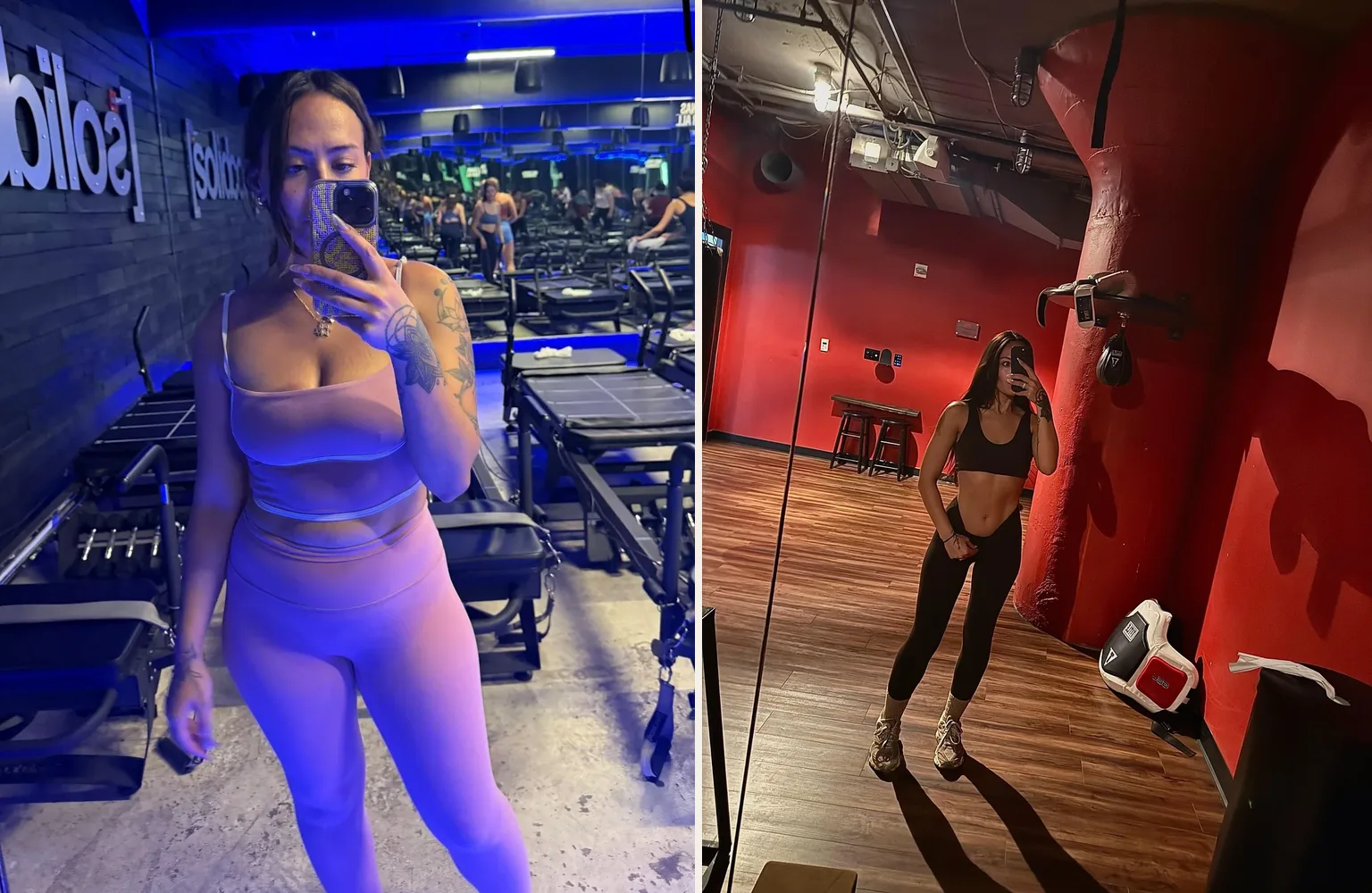
Your body composition shifted sometime around 40, and you didn't sign up for it. The muscle you built in your 30s started dissolving, fat migrated to your midsection like it got a new zip code, and recovery from a hard workout now takes twice as long. CJC-1295 and ipamorelin are the growth hormone secretagogue stack that women over 40 are using to reverse that slide, and this article breaks down exactly what the evidence supports, what the real timeline looks like, what it costs in 2025, and how to get started with a provider who actually knows what they're doing.
Key Takeaways:
- Growth hormone output drops roughly 14% per decade after age 30, accelerating body fat gain and muscle loss in your 40s and 50s.
- A single injection of CJC-1295 raised mean GH levels 2–10x above baseline in a published RCT, with effects lasting 6+ days.
- Women on this stack typically report visible body composition changes between weeks 8–12, with measurable recomp by months 3–6.
- Monthly cost runs $200–$500 through a supervised telehealth or anti-aging clinic in 2025, including peptides, consult, and labs.
- Like most research peptides, CJC-1295 and ipamorelin aren't FDA-approved for body composition goals, which is exactly why the most interesting real-world evidence comes from what women on these protocols are actually reporting.
- This stack layers well with HRT, and many providers prescribe them together for women in perimenopause and menopause.
---
Why Growth Hormone Tanks After 40 and What That Does to Your Body
Here's the number that explains the mirror: your pituitary gland's growth hormone output declines approximately 14% per decade starting around age 30. By 40, you've already lost a meaningful chunk. By 50, you may be producing half the GH you did at peak. Endocrinologists call this somatopause, the slow, progressive decline in GH and its downstream mediator IGF-1 (insulin-like growth factor 1, the hormone that actually executes most of GH's tissue-building effects).
This isn't a disease. It's a mechanical reality. And it hits women in a particular way because it overlaps with perimenopause and menopause, when estrogen and progesterone are also falling off a cliff. The compounding effect is brutal on body composition.
What somatopause actually does to you:
- Fat redistribution. GH is a primary regulator of lipolysis (fat breakdown). As it drops, visceral adipose tissue, the deep abdominal fat packed around your organs, increases significantly. That's the stubborn midsection thickening that doesn't respond to the same diet and exercise strategies that worked at 32.
- Muscle loss. GH stimulates protein synthesis and satellite cell activation in muscle tissue. Less GH means slower repair, less new muscle fiber recruitment, and a gradual erosion of lean mass, about 3–8% per decade after 30 without intervention.
- Recovery collapse. The reason a Tuesday workout still hurts on Friday? GH's role in connective tissue repair and inflammation regulation diminishes right alongside its levels.
- Sleep degradation. GH secretion is tightly coupled to slow-wave sleep. As GH drops, deep sleep suffers. As deep sleep suffers, GH drops further. It's a feedback loop that gets worse every year.
The woman noticing all of this at 42 or 47 isn't imagining things. She's experiencing a real hormonal shift that conventional medicine mostly ignores unless she pushes for answers. The CJC-1295/ipamorelin stack targets this specific mechanism: it doesn't inject synthetic growth hormone. It tells your own pituitary to produce more of what it's already making less of.
---
How CJC-1295 and Ipamorelin Work Together as a GH Stack
These two peptides attack GH secretion from different angles, which is why they're stacked rather than used solo. Understanding the pharmacology takes about 90 seconds and makes the whole protocol make sense.
CJC-1295: the amplifier. CJC-1295 is a synthetic analog of GHRH (growth hormone-releasing hormone), the natural signaling molecule your hypothalamus sends to your pituitary to trigger GH release. The synthetic version is modified to resist enzymatic breakdown, so it lasts longer in your system. A randomized controlled trial published in the <em>Journal of Clinical Endocrinology & Metabolism</em> found that a single subcutaneous injection of CJC-1295 elevated mean GH concentrations 2–10x above baseline, with sustained effects for 6 or more days. That's the appeal: one shot creates a prolonged window of elevated GH signaling.
A quick note on DAC vs. no-DAC, because you'll see both referenced. DAC stands for Drug Affinity Complex, a modification that binds CJC-1295 to albumin in your blood, extending its half-life to roughly 6–8 days. CJC-1295 without DAC (sometimes called Mod GRF 1-29) has a much shorter half-life, around 30 minutes. Most women's protocols in 2025 use the no-DAC version because it produces a more natural pulsatile GH release pattern rather than a sustained elevation, which more closely mimics your body's own rhythm. Your provider will specify which they prescribe.
Ipamorelin: the trigger. Ipamorelin is a growth hormone secretagogue (GHS), meaning it mimics ghrelin, the "hunger hormone" that also signals GH release through a completely different receptor (the GHS-R, or growth hormone secretagogue receptor) on your pituitary. Published research confirms ipamorelin stimulates GH release in a dose-dependent manner. The standout feature: unlike older secretagogues like GHRP-6 or GHRP-2, ipamorelin does not significantly increase cortisol or prolactin. That matters enormously for women, because cortisol spikes drive fat storage and water retention, and prolactin elevation can disrupt menstrual cycles and mood.
Why the stack works better than either alone. CJC-1295 extends the window during which your pituitary is primed to release GH. Ipamorelin provides the acute trigger that fires the actual release. Together, they create a stronger, more sustained GH pulse than either peptide achieves independently. Think of CJC-1295 as holding the door open and ipamorelin as walking through it. The combination aims to restore the kind of robust, pulsatile GH secretion pattern you had in your 20s and early 30s, rather than the flattened, diminished pulses that characterize somatopause.
The standard protocol is a nightly subcutaneous injection (a tiny insulin needle, usually in the lower abdomen), timed before bed to sync with your body's natural nocturnal GH surge.
---
What the Evidence Actually Shows for Body Recomp
Let's be specific about what's proven, what's strongly suggested, and where the data gets thinner, because the honest picture is actually encouraging.
The strong foundation: GH elevation is well-documented. The CJC-1295 RCT showing 2–10x GH elevation is solid, peer-reviewed, published data (strong human evidence, Evidence Tier A). Ipamorelin's dose-dependent GH release is similarly well-established in controlled studies. Neither of these is controversial. The stack raises your growth hormone. That part is settled.
The body composition extrapolation. Decades of research on growth hormone itself show clear effects on body composition. A meta-analysis of GH administration in adults found significant reductions in fat mass and increases in lean body mass. The logical bridge: if CJC-1295/ipamorelin reliably elevates GH, and elevated GH reliably improves body composition, then the stack should produce recomp effects. This is strong mechanistic reasoning supported by clinical observation, though it's not the same as a dedicated RCT on the combination itself (Evidence Tier B).
What clinical observation shows. Physicians running these protocols in anti-aging and wellness practices consistently document modest fat loss (particularly visceral fat), lean mass preservation or modest gains, and improvements in recovery and sleep quality over 3–6 month protocol durations. Women on these protocols report tighter midsections, better muscle definition with training, improved skin quality, and noticeably deeper sleep.
The honest gap. No large-scale, randomized, placebo-controlled trial has studied the CJC-1295/ipamorelin combination specifically for body composition endpoints. This is the reality of research peptides: the funding for a $50 million Phase III trial doesn't exist because these compounds can't be patented in a way that makes that investment profitable. The absence of that trial doesn't mean the stack doesn't work. It means the pharmaceutical economics don't support proving it to FDA standards.
| Evidence Category | What Exists | Evidence Tier |
|---|---|---|
| GH elevation from CJC-1295 | Published RCT: 2–10x baseline elevation, sustained 6+ days | A (strong human evidence) |
| GH elevation from ipamorelin | Published dose-response studies, no cortisol/prolactin spike | A (strong human evidence) |
| GH effects on body composition | Meta-analyses showing fat loss + lean mass gains | A (strong human evidence) |
| CJC-1295/Ipa combo for body recomp | Clinical observation, physician-reported outcomes, community reports | B (mechanism + clinical observation) |
| Long-term safety of combo use | Limited; no multi-year controlled data | C (small studies + clinical experience) |
---
Realistic Timeline: When You'll See and Feel Changes
Nobody wants to inject something nightly for months without knowing when it kicks in. Here's what women on this protocol typically report, and this tracks with what providers document in their practices.
Weeks 1–2: The sleep signal. The first thing most women notice isn't in the mirror. It's in their sleep. Deeper, more restorative sleep, sometimes from the very first week. You may notice more vivid dreams. This makes sense pharmacologically: GH secretion is tightly linked to slow-wave sleep, and boosting GH amplifies that sleep phase. If you're wearing an Oura ring or Apple Watch, you'll likely see your deep sleep minutes increase.
Weeks 2–4: Recovery and energy. Workout recovery improves. The soreness that used to last 3 days starts clearing in 1–2. Energy feels more stable through the afternoon. Some women report their skin looking slightly more hydrated or "plumper," though visible skin changes are more of a months 2–3 phenomenon.
Weeks 6–12: The mirror starts changing. This is where body composition shifts become visible, especially if you're training consistently and eating adequate protein (1g per pound of target body weight is the standard recommendation that pairs with this protocol). Women report clothes fitting differently, midsection tightening, and better muscle definition. The scale may not move dramatically because you're potentially gaining lean tissue while losing fat, and muscle is denser than fat.
Months 3–6: Measurable recomp. By the 90-day mark, a DEXA scan (dual-energy X-ray absorptiometry, the gold standard for body composition measurement) typically shows measurable changes: reduced body fat percentage, maintained or increased lean mass, and often a notable reduction in visceral fat specifically. This is the evaluation checkpoint where you and your provider assess whether the protocol is delivering enough to continue.
| Timeline | What to Expect | What's Driving It |
|---|---|---|
| Week 1–2 | Deeper sleep, vivid dreams, subtle energy shift | GH amplification of slow-wave sleep |
| Week 2–4 | Faster workout recovery, steadier energy, early skin hydration | GH-driven tissue repair and IGF-1 elevation |
| Week 6–12 | Visible body composition changes, clothes fit differently, midsection tightening | Fat mobilization + lean tissue preservation |
| Month 3–6 | Measurable recomp on DEXA, reduced visceral fat, improved muscle definition | Cumulative GH effects on metabolism and tissue |
| Month 6+ | Continued optimization, potential protocol adjustments | Provider-guided based on labs and response |
The non-negotiable caveat: this timeline assumes you're training with resistance exercise at least 3x per week and eating sufficient protein. CJC-1295/ipamorelin amplifies the signal for muscle building and fat burning, but it doesn't create those outcomes from a couch. Women who run the stack without training consistently report much more modest results, mostly limited to sleep and recovery improvements. The peptides are the accelerant. Training and nutrition are the fire.
---
Side Effects and Safety: What You Need to Know Before Starting
The side effect profile of this stack is genuinely mild compared to synthetic HGH or older secretagogues. That said, you should know what to expect and what to watch for.
Common and typically transient:
- Injection-site reactions. Mild redness, slight soreness, or a small bump at the injection site. This is the most frequently reported side effect and usually resolves within 30 minutes. Rotating injection sites helps.
- Water retention. Some puffiness or mild bloating, particularly in the first 2–4 weeks. GH increases sodium reabsorption, which pulls water. This typically stabilizes as your body adjusts. If it persists, your provider can adjust the dose.
- Headache. Occasional, mild, and usually limited to the first week or two. Staying hydrated helps.
- Flushing or tingling. A warm flush or pins-and-needles sensation shortly after injection. Brief and harmless.
Less common but worth knowing:
- Increased hunger. Ipamorelin mimics ghrelin, which can stimulate appetite in some women. This is usually mild and can actually be helpful if you're trying to eat more protein to support muscle growth.
- Joint stiffness or mild numbness in hands. Can occur with higher GH levels, similar to what's seen with synthetic HGH. Usually dose-dependent and resolves with adjustment.
The immunogenicity note. The FDA has flagged both CJC-1295 and ipamorelin for potential immunogenicity, meaning your body could theoretically mount an immune response against the peptide. In practice, this appears to be rare in clinical use, but it's the reason medical supervision matters. Your provider should be aware of this and monitoring for any signs of allergic reaction, particularly in the first few administrations.
Genuine medical contraindications (these are non-negotiable):
- Active cancer or history of cancer, particularly hormone-sensitive cancers. GH can promote cell proliferation, and elevating it when malignancy is present is a real risk.
- Uncontrolled diabetes. GH affects insulin sensitivity, and this stack can worsen glycemic control if diabetes isn't well-managed.
- Active pituitary disorders or tumors.
- Pregnancy or breastfeeding.
- Known hypersensitivity to either peptide.
Drug interactions to discuss with your provider: insulin and oral diabetes medications (GH can alter insulin sensitivity), corticosteroids (can blunt GH response), and thyroid medications (GH can affect T4-to-T3 conversion). If you're on any of these, your provider needs to know before prescribing.
A provider who doesn't ask about your cancer history, metabolic status, and current medications before prescribing this stack is not a provider you want. That screening is the bare minimum.
---
What CJC-1295 + Ipamorelin Costs and Where to Get It
Let's talk real numbers. In 2025, a supervised CJC-1295/ipamorelin protocol typically runs between $200 and $500 per month, depending on your provider type and what's included.
What that price range covers:
| Cost Component | Typical Range (2025) | Notes |
|---|---|---|
| Initial consultation | $150–$350 (one-time) | Some telehealth platforms include this in the first month |
| Baseline labs (IGF-1, metabolic panel, hormones) | $100–$300 | May be covered by insurance if ordered diagnostically |
| Peptides (30-day supply, both compounds) | $150–$350/month | Price varies by provider and whether bundled |
| Follow-up consults | $0–$150/month | Many telehealth plans include monthly check-ins |
| Follow-up labs (every 90 days) | $100–$200 per draw | IGF-1 monitoring is standard |
| Total monthly (after initial setup) | $200–$500 | Lower end = telehealth; higher end = in-person anti-aging clinic |
Telehealth vs. in-person clinics. Telehealth peptide clinics have made this stack significantly more accessible and typically run $200–$350/month all-in after the initial consult. In-person anti-aging or functional medicine practices tend to run $350–$500/month but may offer more hands-on monitoring, body composition tracking, and protocol customization. Both are legitimate routes. The right choice depends on whether you want convenience or concierge-level attention.
What to look for in a provider. You want someone who:
- Orders baseline labs before prescribing (IGF-1 at minimum, ideally a full metabolic and hormone panel)
- Asks about your cancer history, metabolic status, and current medications
- Sets a 90-day evaluation checkpoint with follow-up labs
- Can explain the difference between DAC and no-DAC formulations
- Has experience prescribing peptide protocols specifically, not just someone who added it to their menu last month
Regulatory reality (brief, because you should know). CJC-1295 and ipamorelin were removed from the FDA's "category 2" list in recent years, which opened the door to further PCAC review, but that removal alone did not create a legal compounding pathway. The regulatory situation is still evolving, and a peptide-literate provider will know the current sourcing landscape. Availability can shift. A peptide-literate provider will know the current status and source accordingly. This is one more reason to work with someone who specializes in this space rather than trying to navigate it alone.
---
CJC-1295/Ipamorelin vs. Other Body Recomp Options After 40
This stack doesn't exist in a vacuum. If you're a woman over 40 looking at body recomp, you've probably also heard about HRT, GLP-1s, tesamorelin, and sermorelin. Here's how they compare, and the important thing to understand is that these aren't always either/or choices. Many women layer multiple interventions.
| Intervention | Primary Mechanism | Body Recomp Evidence | Monthly Cost (2025) | Best For |
|---|---|---|---|---|
| CJC-1295 + Ipamorelin | Stimulates natural GH production via two pathways | Strong mechanistic basis; clinical observation supports fat loss + lean mass preservation | $200–$500 | Women wanting GH optimization without synthetic HGH |
| HRT (estrogen + progesterone ± testosterone) | Replaces declining sex hormones | Strong RCT evidence for body composition, bone density, metabolic health | $30–$250 | Perimenopausal/menopausal women with classic symptoms |
| GLP-1 agonists (semaglutide, tirzepatide) | Appetite suppression + metabolic effects | Very strong RCT evidence for fat loss; lean mass loss is a concern | $300–$1,500+ | Women with significant fat to lose (BMI 27+) |
| Tesamorelin | GHRH analog specifically studied for visceral fat | FDA-approved for HIV lipodystrophy; strong evidence for visceral fat reduction | $400–$800 | Visceral fat as the primary target |
| Sermorelin | Older GHRH analog, shorter-acting | Moderate evidence; less potent GH elevation than CJC-1295 | $150–$400 | Budget-conscious entry point or those wanting a milder protocol |
The layering conversation. CJC-1295/ipamorelin and HRT are frequently prescribed together, and many providers consider them complementary rather than competing. Estrogen protects lean mass and bone density. The GH stack amplifies recovery, fat metabolism, and sleep. Together, they address the two major hormonal declines happening simultaneously in perimenopause and menopause.
GLP-1s and this stack can also be combined, and some providers are doing exactly that for women who need significant fat loss but want to protect lean mass. GLP-1s are powerful fat-loss tools, but they're notorious for taking muscle along with the fat. Adding a GH secretagogue stack can help preserve lean tissue during GLP-1-driven weight loss. Women exploring retatrutide results, for example, are increasingly asking about pairing it with a GH protocol. That's a protocol conversation to have with a provider who understands both categories.
The question isn't "which one thing should I do?" It's "what combination addresses my specific situation?" And that's exactly what a good provider, or a well-designed quiz, helps you figure out.
---
Your Route Map: How to Start the CJC-1295/Ipamorelin Stack
You've read the evidence. You understand the mechanism. Here's the actual action plan.
Step 1: Get baseline labs. Before you start anything, you need a snapshot of where you are. The essential panel:
- IGF-1 (this is your GH biomarker and the number you'll track over time)
- Complete metabolic panel (liver function, kidney function, fasting glucose)
- Fasting insulin
- Full hormone panel (estradiol, progesterone, testosterone, DHEA-S, thyroid including free T3 and free T4)
- CBC (complete blood count)
Your provider will order these. If they don't, that's a red flag. Some of these may be covered by your insurance if your provider orders them under a diagnostic code.
Step 2: Find a peptide-literate provider. You're looking for a functional medicine doctor, anti-aging specialist, or telehealth clinic with specific experience in peptide protocols for women. "Peptide-literate" means they can discuss DAC vs. no-DAC, know the difference between ipamorelin and GHRP-6, and have a clear protocol for monitoring and dose adjustment. Ask how many patients they currently have on GH secretagogue stacks. If the answer is vague, keep looking.
Step 3: Understand the protocol basics. The standard CJC-1295 (no-DAC)/ipamorelin protocol involves a nightly subcutaneous injection, typically administered 30–60 minutes before bed on an empty stomach (GH release is blunted by elevated blood sugar and insulin, so fasting for 2+ hours before injection is standard practice). Your provider will set your specific dose based on your labs, body weight, and goals. The injection itself is a small insulin syringe, a 30-gauge needle that most women describe as barely noticeable after the first few times.
Step 4: Set your 90-day checkpoint. At the 3-month mark, recheck IGF-1 and your metabolic panel. If you can get a DEXA scan at baseline and at 90 days, that gives you objective body composition data. This is when you and your provider decide: is the response strong enough to continue, does the dose need adjustment, or should you add or swap something?
Step 5: Dial in the supporting inputs. The peptides work with your training and nutrition, not instead of them. The protocol that gets the best results:
- Resistance training 3–4x per week (progressive overload, not just cardio)
- Protein intake of 0.8–1g per pound of body weight daily
- 7+ hours of sleep (the peptides help here, but you still need to give yourself the window)
- Managed stress (chronically elevated cortisol blunts GH response)
This isn't a "take a shot and wait" situation. It's a system. The women who get the best results treat it that way.
Ready to figure out your best route? Build your recomp plan to match your goals, budget, and preferences to the right combination of interventions and provider type. It takes 3 minutes and gives you a personalized starting point instead of another hour of Googling.
---
FAQ
Is CJC-1295 + ipamorelin FDA approved?
No. Neither peptide is FDA-approved for body composition, anti-aging, or general wellness use. They're classified as research peptides. This is the status of virtually every interesting peptide compound women are using for optimization right now. The clinical observation and mechanistic evidence are strong enough that thousands of physicians prescribe them in supervised protocols, but the formal FDA approval pathway hasn't been pursued due to patent and funding economics.
How long does it take to see body recomp results from CJC-1295 and ipamorelin?
Most women notice sleep and recovery improvements within 1–2 weeks. Visible body composition changes typically appear between weeks 8–12. Measurable recomp (confirmed by DEXA or similar) usually shows up by months 3–6. This assumes consistent resistance training and adequate protein intake.
Can I use CJC-1295/ipamorelin while on HRT or estrogen therapy?
Yes, and many providers prescribe them together intentionally. HRT addresses estrogen/progesterone decline while the GH stack addresses somatopause. They target different hormonal axes and are generally considered complementary. Your provider should review your full hormone panel and adjust both protocols as needed.
What happens when you stop taking CJC-1295 and ipamorelin?
Your GH levels will gradually return to their pre-protocol baseline over a period of weeks. You won't experience a dramatic crash or withdrawal. Body composition gains can be maintained to a degree if you continue training and eating well, but the enhanced recovery, sleep depth, and metabolic boost will diminish. Many women cycle protocols (e.g., 6 months on, 2–3 months off) in consultation with their provider.
Do I need to work out for CJC-1295/ipamorelin to work?
Technically, the peptides will still elevate GH regardless. But for body recomp specifically, resistance training is essential. GH promotes protein synthesis and fat mobilization, but without the training stimulus, there's no signal telling your body where to build. Women who run the stack without training typically report sleep and recovery benefits but minimal visible body composition change.
Is the CJC-1295/ipamorelin stack safe for women over 50?
Generally yes, with appropriate medical screening. The key considerations for women over 50 are cancer screening (current and history), metabolic health (diabetes, insulin resistance), and any existing pituitary conditions. A thorough provider will run a comprehensive panel and review your medical history before prescribing. Many women in their 50s and 60s are on these protocols successfully.
How much does a CJC-1295/ipamorelin protocol cost per month?
$200–$500/month in 2025, depending on whether you go telehealth ($200–$350) or in-person anti-aging clinic ($350–$500+). Initial setup costs (consult + baseline labs) add $250–$650 one-time. Follow-up labs every 90 days run $100–$200 per draw.
What's the difference between CJC-1295 with DAC and without DAC?
DAC (Drug Affinity Complex) is a chemical modification that extends CJC-1295's half-life from about 30 minutes to 6–8 days by binding it to albumin in your blood. The no-DAC version (also called Mod GRF 1-29) produces shorter, more natural GH pulses. Most women's protocols in 2025 use no-DAC because pulsatile release better mimics your body's natural GH rhythm. Your provider will specify which version they prescribe and why.
Can CJC-1295/ipamorelin help with loose skin or skin quality?
Women on these protocols frequently report improved skin elasticity, hydration, and overall texture, usually noticeable by months 2–3. This is consistent with GH's known role in collagen synthesis and skin cell turnover. It's not going to replace a surgical intervention for significant skin laxity, but for the general loss of skin quality and firmness that comes with GH decline, women consistently report noticeable improvement. If skin is your primary concern, you may also want to explore GHK-Cu for women, which targets collagen from a different angle.
Where do I get CJC-1295 and ipamorelin legally right now?
Through a licensed provider (MD, DO, NP, or PA) who prescribes peptide protocols, typically via a compounding pharmacy. Telehealth peptide clinics and in-person anti-aging/functional medicine practices are the two main access points. The regulatory landscape shifted when these peptides were removed from the FDA's category 2 list, but the compounding pathway is still being formalized. A peptide-literate provider will know the current sourcing landscape and handle the prescription side.