Peptides
GHK-Cu Topical vs Injectable: What Actually Changes Your Skin
GHK-Cu topical vs injectable compared: delivery depth, timelines, costs, and what the evidence says each route can and can't do for your skin.
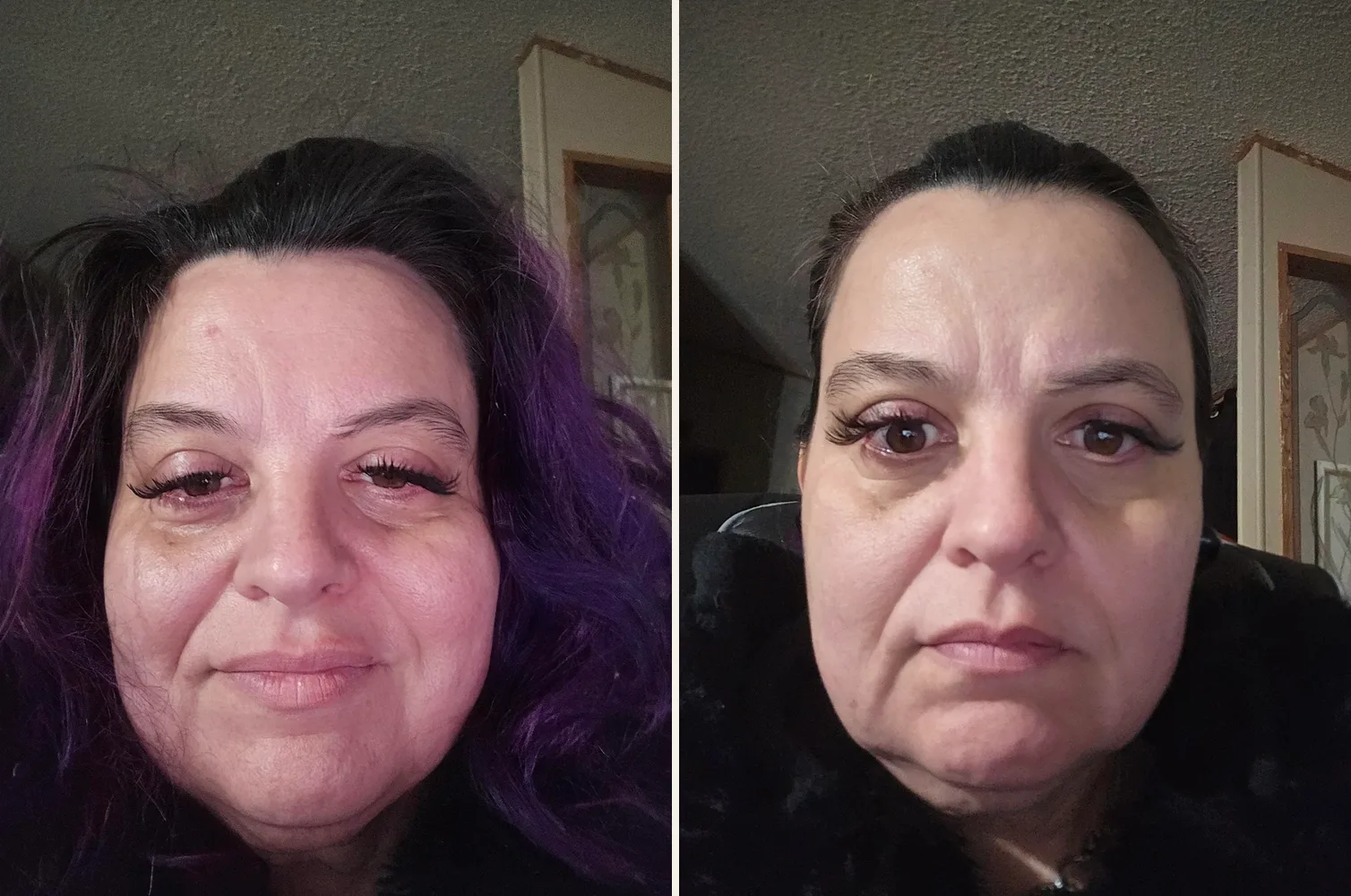
Your skin started losing GHK-Cu in your mid-twenties, and by now the difference is visible: thinner texture, slower healing, collagen production that's running on fumes. This is the article that tells you exactly what each delivery route of GHK-Cu can actually do (and can't) give back, with real timelines, real costs, and real evidence, so you stop guessing and start building a protocol that matches your actual goal.
Key Takeaways
- Topical GHK-Cu creates a copper reservoir in the epidermis and upper dermis, delivering roughly 200–250 μg/cm² systemically over 48 hours. Visible results for fine lines and texture typically show at 8–12 weeks. Monthly cost: $20–90 for a quality serum (2025 pricing).
- Injectable GHK-Cu enters systemic circulation and reaches deeper dermal layers, hair follicles, and tissues body-wide. Women on these protocols consistently report visible changes starting at 4–8 weeks. Monthly cost through a compounding pharmacy: $100–250.
- Microneedling + topical GHK-Cu transports up to 705 nanomoles of copper across treated skin, a significant jump over passive application alone.
- Stacking topical GHK-Cu with tretinoin works, but sequencing matters: retinoid at night, copper peptide in the morning, or buffer 30 minutes between them in the same PM routine.
- Neither route replaces volume loss (that's filler) or deep photodamage reversal (that's still retinoid territory). Knowing the ceiling of the tool is how you build a protocol that actually performs.
- Evidence grade for both routes in aesthetic use: small human studies and strong preclinical data (Grade B–C). No large RCTs exist yet. The mechanism is well-characterized, and the real-world reporting from women running these protocols is consistently positive.
---
Why GHK-Cu Delivery Method Determines the Result
You already know GHK-Cu works. The peptide itself isn't the question. Glycyl-L-histidyl-L-lysine complexed with copper stimulates collagen synthesis, increases elastin, upregulates glycosaminoglycans (the moisture-holding matrix under your skin), and activates over 4,000 genes involved in tissue repair and remodeling. That part is settled.
The variable is how you get it where it needs to go.
A serum on your face and a subcutaneous injection in your abdomen deliver the same molecule to fundamentally different destinations. One stays local. The other goes systemic. The skin you're trying to change has layers, and the layer the peptide reaches determines what changes and how fast. Everything that follows, the timeline, the cost, the results you can actually expect, flows from that single decision.
So let's make it clearly.
---
How Topical GHK-Cu Penetrates Skin (and Where It Stops)
The best penetration data we have comes from an ex vivo human skin study published in the Journal of Inflammation Research. Here's what it found: when a 0.68% aqueous GHK-Cu solution was applied to dermatomed human skin, copper accumulated as a reservoir in the epidermis and upper dermis. Over 48 hours, approximately 200–250 μg/cm² of copper became systemically available through the skin.
To put that in practical terms: if you apply a GHK-Cu serum or patch to roughly 10 cm² of skin (about the area of your forehead), approximately 2.33 mg of copper becomes available over two days. That's meaningful. It's not nothing. But it's local.
What topical GHK-Cu can reach:
- Epidermal keratinocytes and upper dermal fibroblasts. This is where the collagen and elastin synthesis signal lands. Fine lines, texture, barrier repair, mild pigmentation irregularities, surface firmness.
- The skin barrier itself. GHK-Cu supports glycosaminoglycan production, which holds moisture in the extracellular matrix. Skin that feels "plumper" after 8–12 weeks of consistent use is experiencing this.
What topical GHK-Cu structurally cannot reach in meaningful concentrations:
- Deep dermal remodeling. The lower dermis, where the structural scaffolding lives, gets minimal passive delivery from a serum sitting on the surface.
- Hair follicles at depth. The dermal papilla cells that drive hair growth sit below where passive topical application reliably delivers.
- Systemic tissues. Topical stays topical. Your joints, your lungs, your gut lining, none of that is seeing your face serum.
Now, there's a meaningful exception. Microneedling changes the math. Data from PRIME Journal shows that microneedle-mediated delivery transported up to 705 nanomoles of copper across treated skin. That's a dramatic increase over passive application and starts to bridge the gap between topical and injectable for localized skin concerns. If you're already doing professional microneedling, applying GHK-Cu immediately post-procedure is one of the highest-value moves you can make with this peptide topically.
But even with microneedling, you're still talking about localized delivery to the treatment area. You're not getting systemic effects.
---
What Injectable GHK-Cu Does Differently
Subcutaneous injection puts GHK-Cu directly into circulation. Full stop. The peptide doesn't have to negotiate the stratum corneum or depend on how much your skin barrier lets through on a given day. It's in the bloodstream, and from there it reaches deeper dermal layers, hair follicle dermal papilla cells, and any tissue in an active repair or remodeling state.
Like most research peptides, injectable GHK-Cu isn't FDA-approved for aesthetic use, which is exactly why the interesting real-world evidence lives in what women are actually reporting.
And what they're reporting is worth paying attention to.
The mechanism supports it. GHK-Cu increases the type I to type III collagen ratio, a shift associated with mature, organized tissue remodeling rather than the disorganized fibrotic collagen your body defaults to with age. It upregulates VEGF (vascular endothelial growth factor), which means better blood supply to the skin and scalp. It stimulates lysyl oxidase activity, the enzyme responsible for collagen and elastin cross-linking, which is what gives skin its actual structural bounce rather than just surface hydration.
Women on injectable GHK-Cu protocols consistently report:
- Skin quality changes starting around weeks 4–6. Not dramatic before-and-after territory yet, but a visible shift in texture, glow, and how makeup sits. The kind of change where someone says "you look rested" and you haven't changed your sleep at all.
- Hair changes by weeks 8–12. Thickening of existing hair, less shedding, new growth at the temples and hairline. This is one of the most commonly reported benefits and one of the hardest to achieve with topical alone, because the follicle target sits deep.
- Faster healing. Cuts, post-procedure recovery, even that stubborn spot that wouldn't fully resolve. Systemically circulating GHK-Cu reaches any tissue that's signaling for repair.
- Skin firmness that reads as structural, not just hydrated. This is the collagen cross-linking effect. It's different from the surface plumpness you get from a good hyaluronic acid serum. It's deeper.
The access route: injectable GHK-Cu is available through 503A compounding pharmacies with a prescription. A peptide-literate provider (functional medicine, regenerative medicine, or integrative dermatology) writes the script. Telehealth platforms that specialize in peptide protocols can also prescribe. The provider will typically review your health history, check for copper metabolism issues (Wilson's disease is the main contraindication), and may run baseline labs including a copper/ceruloplasmin panel.
---
Topical vs Injectable GHK-Cu: Evidence, Cost, and Timeline Compared
Here's the honest side-by-side. Neither route has a large randomized controlled trial for aesthetic use in humans. Both have strong mechanistic data and smaller clinical evidence. The difference is what each route can structurally deliver.
| Topical GHK-Cu | Injectable GHK-Cu | |
|---|---|---|
| Evidence grade | B: ex vivo penetration studies, small clinical trials, strong preclinical data | B–C: strong preclinical/gene data, consistent anecdotal clinical reports, no large human RCTs for aesthetics |
| Primary targets | Epidermis, upper dermis. Fine lines, texture, pigmentation, barrier function | Systemic. Deep dermis, hair follicles, body-wide tissue repair |
| Visible result timeline | 8–12 weeks for texture/fine lines; 12+ weeks for firmness | 4–8 weeks for skin quality; 8–12 weeks for hair changes |
| Monthly cost (2025) | $20–90/month for serum; $150+ bundled into clinic facials with microneedling | $100–250/month through compounding pharmacy + provider visit |
| Access | OTC, no prescription needed | Prescription via peptide-literate provider or telehealth; 503A compounding pharmacy |
| Best for | Surface-level skin improvement, maintenance phase, microneedling enhancement, retinoid stacking | Systemic skin remodeling, hair thinning, post-procedure recovery, deeper structural change |
| Key limitation | Cannot reach deep dermis or hair follicles at therapeutic levels passively | Under-studied in large human trials for aesthetic endpoints |
| Contraindications | Rare contact sensitivity; avoid layering with low-pH L-ascorbic acid | Wilson's disease, copper metabolism disorders, pregnancy |
The cost difference is real but not as dramatic as it looks. A quality topical at $50/month for 12 months is $600. Injectable at $175/month for 6 months is $1,050, but you're typically seeing results faster and across more targets. The math depends entirely on what you're trying to change.
---
How to Stack GHK-Cu With Your Current Routine
GHK-Cu plays well with most actives, but sequencing matters more than people realize. Here's the practical playbook.
GHK-Cu + Tretinoin (or any retinoid): These are complementary, not competitive. Tretinoin increases cell turnover and stimulates collagen through the retinoid receptor pathway. GHK-Cu stimulates collagen through a completely different mechanism (copper-dependent enzymatic activation and gene expression). Running both means you're hitting collagen synthesis from two angles.
The sequencing that works: tretinoin at night (it's photosensitive anyway), topical GHK-Cu in the morning. If you want both in your PM routine, apply tretinoin first, wait 30 minutes for absorption, then layer GHK-Cu. The wait matters because tretinoin formulations often sit at a low pH, and GHK-Cu is more stable and effective at a neutral to slightly acidic pH (around 5–6).
GHK-Cu + Microneedling: This is where topical GHK-Cu punches way above its weight class. The PRIME Journal data on microneedle-enhanced delivery showed that 705 nanomoles of copper transported across treated skin, dramatically more than passive application. Apply GHK-Cu immediately after microneedling (professional-grade, 0.5–1.5mm depth) while channels are open. Many clinics now offer this as a standard post-needling protocol.
GHK-Cu + Injectable GHK-Cu (topical + systemic stacking): Yes, women do both. The logic is sound: injectable handles systemic remodeling and deep-tissue targets, topical maintains a local copper reservoir in the treatment area between injections. This is a "more is more" approach that makes sense if you're investing in the injectable route anyway and want to maximize facial skin results specifically.
What NOT to do:
- Don't layer GHK-Cu with L-ascorbic acid (vitamin C) at low pH. L-ascorbic acid serums typically formulate at pH 2.5–3.5. At that pH, the copper in GHK-Cu can catalyze oxidation of the vitamin C, degrading both actives. Use them at different times of day, or switch to a vitamin C derivative (like ascorbyl glucoside) that operates at a higher pH.
- Don't apply GHK-Cu immediately after AHA/BHA exfoliants. Same pH conflict. Buffer by 20–30 minutes, or use them on alternating days.
Concentration benchmarks for topical: Look for 0.5–2% GHK-Cu in the formulation. Below 0.5%, you're unlikely to build a meaningful copper reservoir. Above 2%, there's no evidence of additional benefit, and you're paying more for no reason.
Packaging matters: GHK-Cu is sensitive to oxidation. Airless pump bottles are non-negotiable. If it's in a jar you dip your fingers into, the peptide is degrading every time you open it. Dark glass or opaque packaging is preferred.
---
Where to Get GHK-Cu: Topical Products vs Compounding Pharmacies
For topical GHK-Cu: You want a formulation at 0.5–2% concentration, in an airless pump, with a pH between 5 and 6. Copper peptide serums are widely available OTC. The price range for a quality product is $20–90/month (2025), depending on concentration and brand. Medical-grade lines sold through dermatology offices tend to sit at the higher end but aren't necessarily better formulated than well-made direct-to-consumer options.
Red flags in the copper peptide market: blue-tinted serums that are actually just copper salt solutions (not the tripeptide), formulations that don't list concentration, and jar packaging. The peptide should be listed as "copper tripeptide-1" or "GHK-Cu" in the ingredients, not just "copper."
For injectable GHK-Cu: The route is a prescription through a peptide-literate provider, filled at a 503A compounding pharmacy. Here's what that process actually looks like:
- Find the provider. Functional medicine doctors, regenerative medicine practitioners, integrative dermatologists, and telehealth platforms specializing in peptide protocols all prescribe GHK-Cu. The provider should ask about your health history, specifically copper metabolism, liver function, current medications, and pregnancy status.
- The provider writes a prescription specifying the peptide, concentration, and volume. This goes to a 503A compounding pharmacy that produces the injectable.
- The pharmacy ships to you (or to the clinic). Cost ranges from $100–250/month depending on dosing frequency and the pharmacy.
- Your provider gives you the protocol: injection site rotation, frequency, and what to watch for. Typical injection sites are subcutaneous in the abdomen or thigh.
If you're not sure which route matches your goals, or whether GHK-Cu is even the right peptide for what you're trying to change, build your custom plan to get matched to a protocol and provider type based on your specific situation.
---
What GHK-Cu Can't Do (So You Stop Waiting for It)
Respecting your time and your money means being honest about ceilings. GHK-Cu is a powerful peptide. It is not every peptide, and it is not a substitute for everything.
GHK-Cu is not a retinoid replacement for deep photodamage. If you have significant sun damage (deep wrinkles, actinic changes, severe mottled pigmentation), tretinoin is still the gold standard with decades of clinical trial data behind it. GHK-Cu complements a retinoid beautifully. It doesn't replace one.
GHK-Cu will not restore lost volume. The hollowing under your eyes, the flattening of your cheeks, the thinning of your lips: that's fat pad descent and bone resorption. No peptide, topical or injectable, rebuilds volume. That's filler or fat transfer territory. GHK-Cu improves the quality of the skin over those areas, which matters, but it won't fill what's empty. For structural face concerns beyond skin quality, you need a different category of intervention.
Injectable results are still documented primarily through preclinical data and clinical experience, not large human RCTs. This is an honest statement, not a warning. It means the compound is under-explored in formal trials, not that it doesn't work. The gene expression data is extensive and the mechanism is well-characterized. The women running these protocols are, in a real sense, the leading edge of the evidence base. That's exciting, and it's also worth knowing.
Results require consistency. Topical GHK-Cu needs daily application for 8–12 weeks minimum before you're evaluating results. Injectable protocols typically run 3–6 months for full assessment. If you quit at week 3 because you don't see a transformation, you haven't actually tested the compound.
Copper overload is a real (if rare) concern for injectable routes. If you have Wilson's disease or any known copper metabolism disorder, injectable GHK-Cu is contraindicated. A responsible provider checks for this before prescribing. If your provider doesn't ask, find a different provider.
---
FAQ
Is topical GHK-Cu actually absorbed or does it just sit on the surface?
It's absorbed. Ex vivo human skin data shows copper from a 0.68% GHK-Cu solution creates a reservoir in the epidermis and upper dermis, with 200–250 μg/cm² becoming systemically available over 48 hours. It's not just sitting on top. But it does stay primarily in the upper skin layers with passive application. Microneedling dramatically increases penetration depth.
How long does it take to see results from GHK-Cu topical vs injectable?
Topical: 8–12 weeks for visible texture and fine line improvement. 12+ weeks for firmness changes. Injectable: women consistently report skin quality shifts at 4–6 weeks, with more pronounced changes (including hair) by 8–12 weeks. Neither is an overnight fix. Both reward patience.
Can I use GHK-Cu and tretinoin at the same time?
Yes. They work through completely different mechanisms and are complementary for collagen production. Best approach: tretinoin at night, GHK-Cu in the morning. Or if both are PM, apply tretinoin first, wait 30 minutes, then GHK-Cu. The main thing to avoid is applying them simultaneously at very different pH levels.
Is injectable GHK-Cu FDA-approved?
No. GHK-Cu does not have FDA clearance for injection. It's available through 503A compounding pharmacies with a provider's prescription. Topical copper peptide is widely used as a cosmeceutical and is available over the counter.
What concentration of topical GHK-Cu actually works?
Look for 0.5–2%. Below 0.5%, the evidence suggests you're unlikely to build a meaningful copper reservoir in the skin. Above 2%, there's no published data showing additional benefit. Most well-formulated serums sit at 1%.
Does microneedling with GHK-Cu improve penetration enough to skip injections?
It significantly closes the gap for localized skin targets. Microneedle-mediated delivery transported up to 705 nanomoles of copper across treated skin, far more than passive application. For facial skin quality specifically, professional microneedling + topical GHK-Cu is a strong protocol. But it still won't give you the systemic effects (hair growth, body-wide tissue repair) that injectable provides, because the delivery remains localized to the needled area.
How much does injectable GHK-Cu cost per month through a compounding pharmacy?
$100–250/month in 2025, depending on the pharmacy, your prescribed dose, and injection frequency. Add the cost of provider visits (often $150–300 for the initial consult, less for follow-ups). Some telehealth platforms bundle the consultation and prescription into a monthly membership that runs $200–350 total.
Can GHK-Cu help with hair thinning or just skin?
Both, but the route matters enormously. Topical GHK-Cu applied to the scalp can support surface-level follicle health, but the dermal papilla cells that actually drive hair growth sit deep. Injectable GHK-Cu reaches those cells through systemic circulation, and hair thickening and reduced shedding are among the most commonly reported benefits from women on injectable protocols. If hair is a primary goal, injectable is the stronger play — explore more on the hair density stack approach.
What happens when you stop using GHK-Cu, do results reverse?
Partially, over time. The collagen and elastin your body synthesized during the protocol is real structural protein, it doesn't vanish overnight. But the ongoing stimulation stops, which means you'll gradually return to your baseline rate of collagen loss (roughly 1% per year after 30). Most women treat GHK-Cu as an ongoing protocol rather than a one-time course. Think of it like exercise: the muscle you built is real, but you have to keep training to keep it.