Peptides
How the Glow Stack (GHK-Cu + BPC-157 + TB-500) Actually Works
GHK-Cu, BPC-157, and TB-500 combined: what the evidence says, what women actually report, real costs, and where to get the glow stack safely.
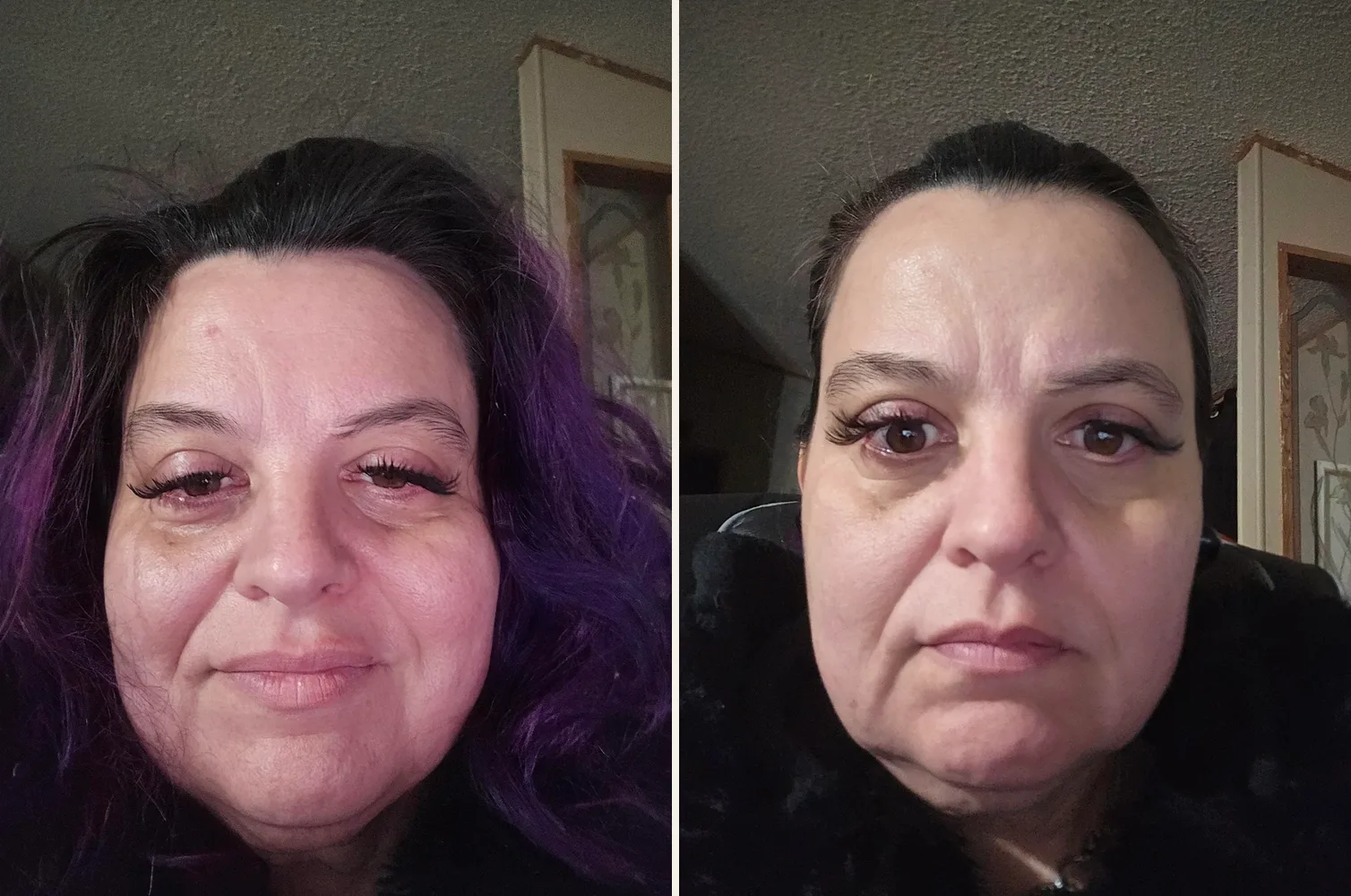
Your skin started losing collagen at roughly 1% per year after 25, and by your late thirties or early forties, you can see it: thinner texture, less bounce, that firmness you used to take for granted now visibly gone. The glow stack is the peptide combination women are using to push back on that timeline, and this is the full breakdown of what it does, what the evidence actually supports, and what it costs to run.
Key Takeaways
- GHK-Cu has the strongest human skin data of the three, with controlled topical trials showing measurable collagen density and fine-line improvement in 8-12 weeks at concentrations of 0.1-1%.
- BPC-157 has zero completed human efficacy RCTs for skin, but a 2025 IV safety pilot showed no adverse events, and the preclinical tissue-repair data across 35+ animal studies is extensive.
- TB-500's parent compound (thymosin beta-4) has Phase 2 wound-healing trial data showing approximately one month of accelerated healing versus placebo. TB-500 is a fragment, not the full molecule.
- Expect to spend $300-600+/month for a full injectable glow stack through a peptide-literate clinic or compounding pharmacy (2025 pricing).
- Women consistently report visible skin firmness changes around 30 days, with texture and tone improvements building through weeks 6-8. Post-procedure recovery acceleration is one of the most commonly cited benefits.
- No long-term combination safety data exists for these three together. Individual safety profiles are reassuring, but this is still frontier territory.
---
What Is the Glow Stack and Why Are Women Stacking These Three Peptides
The glow stack pairs three peptides that each hit a different piece of the skin-repair puzzle: GHK-Cu drives collagen and elastin synthesis, BPC-157 promotes blood vessel formation and fibroblast activity, and TB-500 regulates cell migration so repair cells actually get where they need to go. The logic isn't complicated. Skin that's lost density needs new collagen laid down (GHK-Cu), better blood supply feeding the dermal layer (BPC-157), and faster movement of repair cells into damaged or aging tissue (TB-500).
Women aren't choosing this combination randomly. The stack emerged from peptide-literate clinics and online communities where women were already running GHK-Cu for skin quality and BPC-157 for joint or gut repair, then noticing their skin looked better as a side effect of the BPC. Adding TB-500 closed the loop on the cell-migration piece. The combination caught on because each peptide addresses a bottleneck the others don't.
Like most research peptides, the injectable forms of these compounds aren't FDA-approved for cosmetic use, which is exactly why the interesting real-world evidence lives in what women are actually reporting and what the early clinical data suggests. The topical form of GHK-Cu does have legitimate human trial backing. For the full stack, you're working with strong mechanistic science, promising preclinical data, and a growing body of anecdotal results from women who are running these protocols right now.
The desire is simple: firmer skin, better texture, faster recovery after procedures like laser or microneedling, and a visible shift in skin quality that skincare alone stopped delivering years ago.
---
What Each Peptide Does: GHK-Cu, BPC-157, and TB-500 Mechanisms
GHK-Cu (Glycyl-L-Histidyl-L-Lysine Copper Complex)
GHK-Cu is a naturally occurring tripeptide (three amino acids) that your body already produces, bound to a copper ion. It circulates in your plasma at about 200 ng/mL at age 20 and drops to roughly 80 ng/mL by 60. That decline tracks almost perfectly with the visible loss of skin density and repair capacity.
What makes GHK-Cu remarkable is the breadth of what it does. It modulates the activity of over 4,000 human genes, with a significant portion of those involved in collagen synthesis, elastin production, and extracellular matrix remodeling. A 2023 study by Shin et al. published in the Journal of Cosmetic Dermatology found that GHK-Cu combined with low-molecular-weight hyaluronic acid elevated collagen IV synthesis by 25.4-fold in cell culture and 2.03-fold in ex-vivo human skin testing. It also stimulates VEGF (vascular endothelial growth factor), meaning it helps build new blood vessels to feed the skin from underneath.
The topical evidence is the strongest of the three peptides. Controlled human trials by Leyden, Badenhorst, and Carey have consistently shown improvements in skin density, collagen content, and fine-line reduction at concentrations of 0.1-1%, typically measured at 8-12 weeks. Evidence grade: B (consistent small human trials, strong mechanism).
BPC-157 (Body Protection Compound-157)
BPC-157 is a 15-amino-acid peptide derived from a protective protein found in human gastric juice. Its primary mechanisms for skin are promoting angiogenesis (new blood vessel formation) and enhancing fibroblast migration and growth. Fibroblasts are the cells that actually build your collagen and elastin matrix, so getting more of them to the right place, faster, is the whole game.
The preclinical data is extensive, with over 35 published animal studies demonstrating benefits for tendon, ligament, muscle, gut, and wound healing. A 2025 pilot study confirmed that IV BPC-157 was well tolerated with no adverse events in healthy adults. But here's the honest part: there are zero completed human efficacy RCTs for skin specifically. The tissue-repair logic is sound, the animal data is compelling, and the safety signal is clean, but the human skin data simply hasn't been run yet. Evidence grade: C (extensive preclinical data, mechanism plus anecdote for skin, one human safety pilot).
TB-500 (Thymosin Beta-4 Fragment)
TB-500 is a synthetic fragment of thymosin beta-4, a 43-amino-acid protein that regulates actin, a structural protein involved in cell movement. In plain terms: TB-500 helps cells migrate to where they're needed. For skin, that means repair cells, immune cells, and stem cells get to damaged or thinning tissue faster.
The parent compound, thymosin beta-4, has Phase 2 clinical trial data showing it accelerated healing of chronic stasis and pressure ulcers by approximately one month compared to placebo. Preclinical models showed topical application increased re-epithelialization (new skin formation) by 42-61% compared to controls. Those Phase 2 trials also reported the compound as safe and well tolerated. The important distinction: that data is on the full thymosin beta-4 molecule, not the TB-500 fragment women are using. The fragment shares the active region but isn't identical. Evidence grade: C+ (Phase 2 data on parent compound, preclinical support for the fragment, mechanism is well characterized).
| Peptide | Primary Skin Mechanism | Human Evidence Level | Key Study Finding | Evidence Grade |
|---|---|---|---|---|
| GHK-Cu | Collagen/elastin synthesis, gene modulation of 4,000+ genes | Small controlled human trials (topical) | 25.4-fold collagen IV increase in vitro (Shin et al. 2023); measurable wrinkle reduction at 12 weeks | B |
| BPC-157 | Angiogenesis, fibroblast migration, collagen formation | One 2025 human safety pilot (IV); no human efficacy RCTs | 35+ animal studies showing tissue repair; IV safety confirmed | C |
| TB-500 | Actin regulation, cell migration to repair sites | Phase 2 trials on parent compound (thymosin beta-4) | ~1 month accelerated wound healing vs. placebo; 42-61% increased re-epithelialization preclinically | C+ |
---
What Women Actually Report After Running the Glow Stack
The clinical trials tell you what's mechanistically possible. The women running these protocols tell you what it actually looks like in the mirror.
Women on the glow stack consistently report that skin firmness is the first thing they notice, typically around the 30-day mark. It's not a dramatic overnight change. It's more like waking up one morning and realizing your skin feels denser when you press it. The texture shift, where pores look tighter and skin surface looks smoother, tends to build through weeks 6-8. By week 10-12, women report that other people start commenting. Not "you look rested" comments, but actual "what are you doing differently" questions.
The post-procedure recovery reports are some of the most specific. Women using the glow stack after laser resurfacing, microneedling, or chemical peels describe noticeably shorter downtime: redness resolving days earlier than expected, less peeling, and what they describe as skin that "bounces back" rather than looking raw and fragile for the usual recovery window. This tracks with the mechanisms (GHK-Cu's wound-healing gene activation, BPC-157's angiogenesis, TB-500's cell migration), but to be clear, these are experience reports, not controlled trial data on the combination.
Other commonly reported effects: improved skin tone and reduced hyperpigmentation (likely GHK-Cu's melanin-pathway modulation), less visible crepey texture on the neck and chest, and a general "glow" that women describe as looking like you just got back from two weeks of sleep and hydration. Some women also report improved hair quality and nail growth as secondary benefits, though that's less consistently mentioned.
What women don't typically report: instant results, miracle-level transformation, or anything that replaces what surgical intervention does. This is a tissue-quality play, not a structure play. If your concern is volume loss or significant laxity, peptides alone won't replace filler or a lift. But for the woman whose skin just looks tired, thin, and dull despite a solid skincare routine, this is where the reports get genuinely exciting.
---
Evidence Grades: What's Proven, What's Promising, What's Still Hype
Honest evidence grading matters because you deserve to know exactly what you're buying. Here's where each piece of the stack actually stands.
GHK-Cu topical has the most legitimate human backing. The Leyden study showed statistically significant improvement in skin laxity and fine lines. The Badenhorst study found GHK-Cu outperformed other peptides for wrinkle reduction. The Carey study demonstrated measurable increases in collagen density. These are small trials (typically 40-70 participants), not the 500-person RCTs that would get an FDA label, but the direction of results is consistent across multiple independent research groups. A Phase 2 trial of topical GHK-Cu gel for acute wound healing is currently registered, which will add to this evidence base.
GHK-Cu injectable is a different story. No formal human pharmacokinetic studies exist for injectable GHK-Cu. The dosing protocols in current clinical use are extrapolated from animal data and practitioner experience, not human trials. The safety profile appears clean (GHK-Cu is a naturally occurring peptide your body already makes), but the injectable-specific evidence is thinner than the topical data.
TB-500/Thymosin beta-4 sits in an interesting middle ground. The Phase 2 wound-healing trials on the parent compound are real, published, and showed meaningful clinical results. But TB-500 is a fragment of thymosin beta-4, and fragment-specific human data is limited. The mechanism is well understood (actin regulation and cell migration), and the parent compound's safety data is reassuring.
BPC-157 has the widest gap between preclinical promise and human proof. The animal data is genuinely extensive and consistent. The 2025 narrative review in <em>Current Reviews in Musculoskeletal Medicine</em> summarizes over 35 animal studies showing tissue-repair benefits. But almost all of that is rodent data. The one human safety pilot (IV administration) showed no adverse events, which is encouraging, but long-term effects are uncharacterized and no human efficacy RCTs exist for any indication.
The combination has zero published studies. No one has run a controlled trial on GHK-Cu + BPC-157 + TB-500 together. The rationale for stacking is mechanistic (they target complementary pathways) and experiential (women report better results than any single peptide alone). That's meaningful, but it's not trial data.
| Compound | Best Available Evidence | What It Shows | What's Missing | HOD Grade |
|---|---|---|---|---|
| GHK-Cu (topical) | Multiple small controlled human trials | Consistent collagen density increase, wrinkle reduction, skin firmness at 8-12 weeks | Large-scale RCTs; long-term data beyond 12 weeks | B |
| GHK-Cu (injectable) | Animal data + clinical extrapolation | Mechanism well established; safety inferred from endogenous biology | Human PK studies; injectable-specific efficacy trials | C |
| BPC-157 | 35+ animal studies; 1 human IV safety pilot (2025) | Consistent tissue repair in animal models; no adverse events in human safety pilot | Any human efficacy RCT; long-term safety data | C |
| TB-500 / Thymosin beta-4 | Phase 2 human trials (parent compound) | ~1 month faster wound healing vs. placebo | Fragment-specific human data; skin-quality (vs. wound) trials | C+ |
| Full glow stack combined | Mechanistic rationale + anecdotal reports | Women report synergistic skin-quality improvements | Any published combination study | D (mechanism + anecdote) |
The honest read: GHK-Cu topical is the one piece of this stack you can point to and say "the human data supports this." Everything else is operating on strong biological logic, encouraging early signals, and a growing body of real-world results that haven't been formally studied yet. That gap is exactly what makes this category exciting and underexplored.
---
How Much the Glow Stack Costs and Where to Get It
Let's talk money, because peptide protocols aren't cheap and nobody should go in without knowing the real numbers.
Topical GHK-Cu alone runs $20-90/month for a quality copper peptide serum, or $150+ when bundled into clinic facials. This is the lowest-cost entry point and the one with the most human evidence behind it.
A full injectable glow stack (all three peptides) typically costs $300-600+/month through a peptide-literate clinic or compounding pharmacy, depending on your location, the specific dosing protocol, and whether you're doing subcutaneous self-injection at home or getting clinic-administered injections. Some clinics offer the combination as a pre-mixed "glow blend" vial, which can be slightly more cost-effective than sourcing each peptide separately.
Telehealth peptide providers have made access significantly easier. A consultation typically runs $150-300 for the initial visit, with follow-up appointments at $75-150. The peptides themselves are prescribed and shipped from a compounding pharmacy. Total first-month cost including consultation and peptides is usually $450-750, dropping to $300-600/month ongoing.
Clinic-administered protocols (where you go in for injections) run higher, typically $500-900/month, but include the clinical oversight, mixing, and administration.
| Access Route | First Month Cost (2025) | Ongoing Monthly Cost | What You Get |
|---|---|---|---|
| Topical GHK-Cu only (OTC) | $20-90 | $20-90 | Copper peptide serum; strongest human evidence; lowest commitment |
| Telehealth + compounding pharmacy (full stack) | $450-750 | $300-600 | Consultation, prescription, shipped vials for home subcutaneous injection |
| Peptide-literate clinic (full stack) | $500-900 | $500-900 | In-office administration, clinical oversight, protocol adjustments |
| Hybrid (topical GHK-Cu + injectable BPC-157/TB-500) | $350-650 | $250-500 | Topical for daily use, injectables for tissue repair and recovery |
The provider you want is a physician, NP, or PA who specifically works with peptide protocols. Functional medicine doctors, integrative dermatologists, and anti-aging medicine practitioners are the most likely to be peptide-literate. They'll typically want to review your health history, current medications, and goals before prescribing. Some will run baseline bloodwork (CBC, metabolic panel, inflammatory markers). This isn't gatekeeping. It's how a good provider builds a protocol that makes sense for your specific situation.
---
Safety and Side Effects You Should Know Before Starting
You're a grown woman making informed decisions about your own body, and respecting your intelligence means giving you the full safety picture without dramatizing it.
GHK-Cu has an excellent safety profile across all published studies. It's a peptide your body already produces naturally. Topical studies consistently report minimal adverse effects, even on compromised post-procedure skin where the barrier is at its most vulnerable. Injectable GHK-Cu doesn't have formal human safety studies, but the compound's endogenous nature (your body makes it) provides a reasonable safety inference. The most commonly reported side effect is mild injection-site irritation.
BPC-157 was confirmed as well tolerated with no adverse events in the 2025 IV safety pilot study. That said, long-term safety data is uncharacterized, and most of what we know comes from animal studies typically lasting under 4 weeks. The 2025 systematic review in <em>HSS Journal</em> notes the limitations clearly: almost all data is from animal models, no systematic human clinical trials exist, and long-term effects haven't been studied. Women running BPC-157 most commonly report injection-site redness and occasional mild nausea, both typically transient.
TB-500 was reported as safe and well tolerated in the Phase 2 clinical trials on the parent compound thymosin beta-4. Side effects in those trials were minimal. The fragment (TB-500) hasn't been independently studied for safety in humans at the same level, but shares the active region of the parent molecule.
Genuine contraindications and interactions to discuss with your provider:
- Active cancer or history of cancer: BPC-157's angiogenesis promotion and TB-500's cell-migration effects are theoretically concerning in the context of active malignancy. Any provider worth seeing will ask about cancer history before prescribing.
- Pregnancy and breastfeeding: No safety data exists for any of these peptides during pregnancy or lactation. Full stop, don't use them.
- Anticoagulant medications: BPC-157 may interact with the coagulation cascade. If you're on blood thinners (warfarin, heparin, DOACs), your provider needs to know.
- Autoimmune conditions: TB-500/thymosin beta-4 modulates immune cell activity. If you have an active autoimmune condition, this needs to be part of the conversation with your prescriber.
- Growth-factor-sensitive conditions: Anything that could be worsened by increased cell proliferation or angiogenesis warrants a discussion.
No long-term combination safety data exists for the three peptides together. Each has an individually reassuring profile, but the interaction effects of running all three simultaneously haven't been formally studied. This is the reality of being on the leading edge. It doesn't mean it's dangerous. It means you should be working with a provider who monitors you, not just prescribing and disappearing.
---
Your Route Map: How to Start a Peptide Protocol That Makes Sense
If you've read this far, you're not casually curious. You want a plan. Here's how to think about building one.
Phase 1 (Weeks 1-4): Start with topical GHK-Cu. This is the compound with the strongest human evidence, the lowest risk profile, and the easiest access. A quality copper peptide serum (look for GHK-Cu at 0.1-1% concentration) applied daily gives you a real baseline to measure against. You'll likely notice improved skin texture and hydration within 2-4 weeks. Cost: $20-90/month. No prescription needed.
Phase 2 (Weeks 4-8): Add injectable GHK-Cu or BPC-157. Once you've established your topical baseline, this is where you start the conversation with a peptide-literate provider. Many women add injectable GHK-Cu first (since the topical results give them confidence in the compound) or BPC-157 (especially if post-procedure recovery or tissue repair is a primary goal). Your provider will establish dosing based on your goals, body weight, and health history.
Phase 3 (Weeks 8-12): Full stack if the response supports it. Adding TB-500 to complete the glow stack is typically the last step. By this point, you have 8 weeks of data on how your body responds to the first compounds, your provider has a relationship with your case, and you can make an informed decision about whether the additional cost and complexity is worth it for your specific goals.
Phase 4 (Ongoing): Maintenance protocol. Most women don't run the full stack indefinitely at initial dosing. After a loading phase (typically 8-16 weeks), many transition to a maintenance schedule with reduced frequency or drop to topical GHK-Cu plus one injectable. Your provider should be adjusting the protocol based on your results, not just auto-refilling the same prescription every month. Women also stacking hormones or energy peptides alongside the glow stack should coordinate timing with their provider to avoid protocol overload.
This phased approach isn't about being timid. It's about being strategic. You're building data on your own response at each step, which gives you (and your provider) better information for every decision that follows.
Ready to figure out which peptide route actually fits your goals, skin concerns, and budget? Build your glow plan and get a personalized starting point instead of guessing.
---
FAQ
Do I need to inject the glow stack or can I use topical peptides?
You can start topical and get real results, specifically with GHK-Cu. Topical GHK-Cu at 0.1-1% has the strongest human clinical evidence of any form of any peptide in this stack, with measurable collagen and firmness improvements at 8-12 weeks. BPC-157 and TB-500 are primarily used as injectables because their molecular size limits topical skin penetration. Many women run a hybrid: topical GHK-Cu daily plus injectable BPC-157 and/or TB-500 on a protocol schedule.
How long does it take to see results from GHK-Cu, BPC-157, and TB-500?
Topical GHK-Cu typically shows texture improvements in 2-4 weeks, with collagen density changes measurable at 8-12 weeks. Women on the full injectable stack most commonly report noticeable skin firmness around 30 days, with progressive texture and tone improvements through weeks 6-8. Post-procedure recovery benefits (faster healing after laser or microneedling) are often noticed on the first treatment cycle.
Is BPC-157 legal to buy and use in the US?
BPC-157 is not FDA-approved for any indication, but it can be legally prescribed by a licensed provider and dispensed by a compounding pharmacy for individual patient use. It's not a controlled substance. The FDA issued a warning letter to some compounding pharmacies in 2023 regarding specific manufacturing concerns, but the compound itself is not banned for prescription compounding. Your provider handles the regulatory side.
Can I use the glow stack after laser or microneedling?
This is one of the most popular use cases. Women report significantly faster recovery when running the glow stack around procedures. GHK-Cu specifically has published data showing excellent tolerability on compromised post-procedure skin and mechanisms directly relevant to wound healing. Many peptide-literate providers specifically time injectable protocols around procedure schedules. Discuss timing with both your aesthetician/dermatologist performing the procedure and your peptide provider.
What's the difference between TB-500 and thymosin beta-4?
Thymosin beta-4 is the full 43-amino-acid protein naturally produced in your body. TB-500 is a synthetic fragment containing the active region (specifically the actin-binding domain) of that larger molecule. The Phase 2 clinical trial data showing accelerated wound healing was generated using the full thymosin beta-4 molecule, not the TB-500 fragment. They share the key functional sequence, but they're not identical compounds. This distinction matters when evaluating the evidence.
Are there any interactions between the glow stack and retinoids or HRT?
No known direct drug interactions between GHK-Cu, BPC-157, or TB-500 and topical retinoids (tretinoin, adapalene) or hormone replacement therapy (estradiol, progesterone, testosterone). Many women run the glow stack alongside both. In fact, GHK-Cu and retinoids target complementary collagen-synthesis pathways, and some practitioners consider them synergistic. HRT's effects on skin thickness and hydration may complement what the peptide stack does for collagen density. Always disclose your full medication and supplement list to your peptide provider.
Is the glow stack worth it if I'm already on a good skincare routine?
This is actually the ideal starting point. If you're already on retinoids, vitamin C, SPF, and a solid routine, you've addressed the surface-level interventions. The glow stack targets deeper mechanisms (gene expression, angiogenesis, cell migration) that topical skincare can't fully reach. Women who are already "doing everything right" topically are often the ones who notice the most dramatic difference from adding peptides, because the peptide effects aren't redundant with what they're already doing.
What's the minimum effective dose of GHK-Cu for skin improvement?
For topical GHK-Cu, the human trials showing measurable results used concentrations of 0.1-1%, applied once or twice daily, with results measured at 8-12 weeks. For injectable GHK-Cu, there are no published human dose-finding studies, so "minimum effective dose" hasn't been formally established. Practitioners typically work within ranges informed by the preclinical literature and clinical experience, adjusting based on your response. This is a conversation for your provider, not a number to pull from the internet.