Body
How to Recomp After GLP-1 Weight Loss with Peptides and Lifting
Rebuild muscle after GLP-1 weight loss with CJC/Ipamorelin, high protein, and resistance training. Evidence-graded plan with costs and timelines.
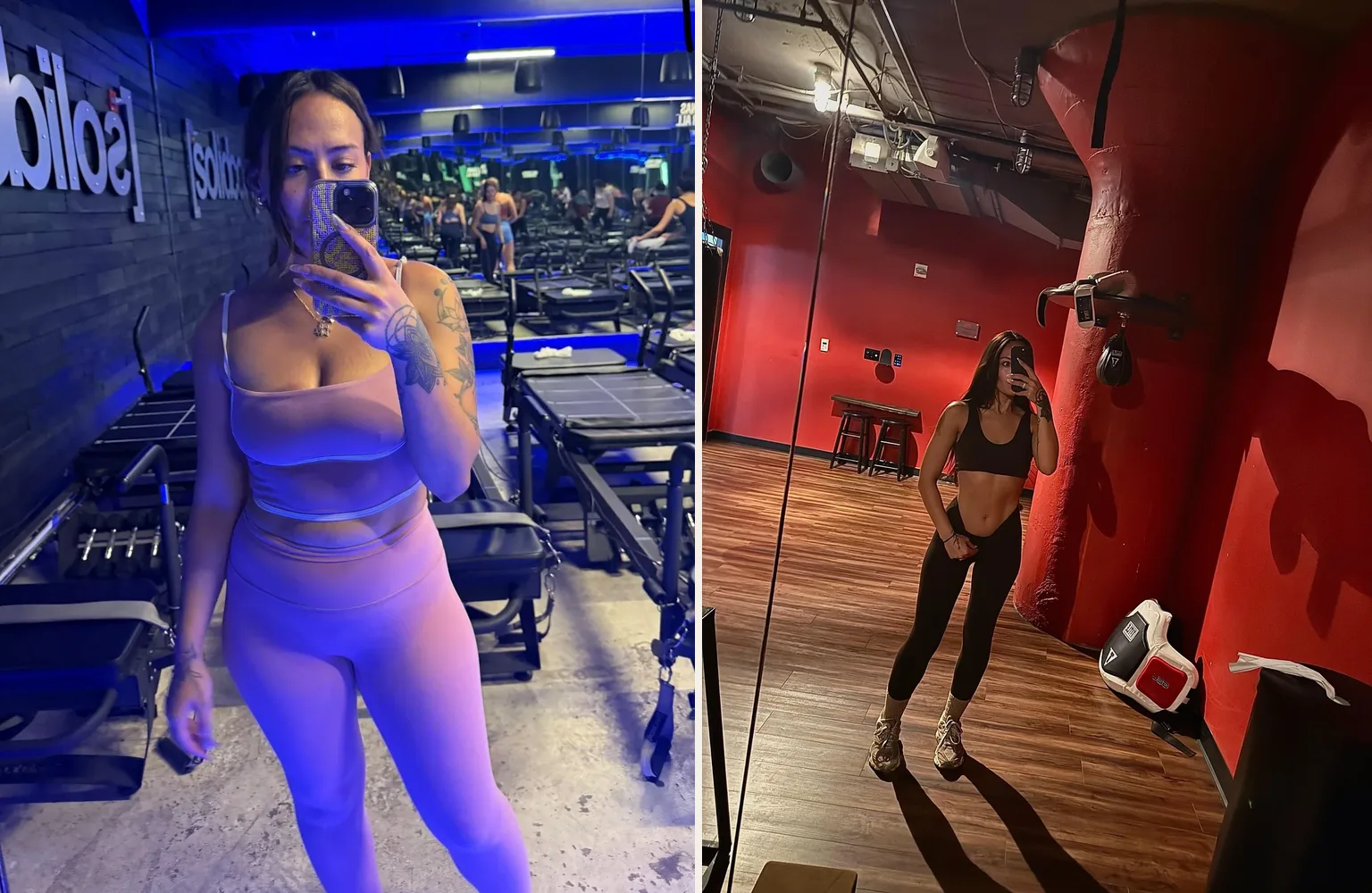
You lost the weight on semaglutide or tirzepatide, and now the mirror is giving you a body you didn't ask for: smaller but softer, lighter but weaker, somehow less like you than when you started. This is the concrete plan to rebuild what the GLP-1 took along with the fat, layer by layer, with timelines, costs, and the peptide stack that's making recomp faster for women who refuse to settle for skinny-fat.
Key Takeaways:
- Up to 40% of weight lost on GLP-1 medications can be lean tissue. In a 2025 prospective study of 200 adults reported by Medscape, women who received education on resistance training and protein intake when starting GLP-1 medications lost roughly 12% of their body weight over 6 months but kept muscle loss to about 3% of starting body weight. Separately, a case series of three patients who combined resistance training 3-5 days/week with protein intakes ranging from 0.7-1.7 g/kg/day showed promising lean tissue preservation, though the tiny sample size means those numbers need larger trials behind them before anyone treats them as targets.
- CJC-1295/Ipamorelin runs $200-500/month through a peptide-literate clinic or telehealth provider, with most women reporting noticeable body composition changes at the 8-12 week mark.
- Protein and lifting are non-negotiable baseline. Peptides are the accelerant you layer on top, not a substitute for the fork and the barbell.
- A realistic recomp timeline is 3-6 months for visible reshaping, whether you're running all three levers or just two.
---
Why GLP-1 Weight Loss Costs You Muscle (and Why That Matters Now)
The number that should have been on the Ozempic commercial but wasn't: 26-40% of the weight you lost on semaglutide or tirzepatide was lean tissue, not fat. That's not a fringe finding. That's from the clinical trials themselves.
So if you dropped 40 pounds, somewhere between 10 and 16 of those pounds were muscle, organ tissue, and bone density. The scale celebrated. Your metabolism did not.
Here's why this matters beyond aesthetics (though the aesthetics matter plenty). Lean mass is your metabolic engine. Every pound of muscle you carry burns roughly 6-7 calories per day at rest, compared to about 2 calories per pound of fat. Lose 10 pounds of muscle and your resting metabolic rate drops by 50-70 calories daily. That doesn't sound dramatic until you realize it accumulates. Over a year, that gap adds up to roughly 18,000-25,000 unburned calories, the equivalent of several pounds of fat if nothing else changes. In practice, other metabolic adaptations also stack on top, compounding the regain risk further., which is exactly the rebound pattern so many women describe after tapering their GLP-1.
A Circulation review examining muscle mass and GLP-1 receptor agonists documented the downstream effects: fatigue reported as an adverse event in trials, reduced functional capacity, and the metabolic slowdown that makes maintaining weight loss harder the longer you're off the medication. The fatigue piece is real. Women describe it as feeling "deflated," not just physically but energetically. You went from carrying extra weight to carrying less of everything, including the tissue that kept you strong.
This isn't a reason to regret the GLP-1. It worked. You're lighter, your metabolic markers likely improved, and you have a foundation to build on. But the building part? That requires a different set of tools than the losing part did.
---
What CJC-1295/Ipamorelin Actually Does to Your Body Composition
This stack isn't a weight-loss tool. If you're looking for more pounds off the scale, that's your GLP-1's job. CJC-1295/Ipamorelin is a body composition quality tool, and that distinction matters.
Here's the mechanism in plain terms. Your pituitary gland naturally pulses growth hormone (GH) throughout the day, with the biggest surges during deep sleep. As you age (and especially after 35), those pulses get weaker and less frequent. CJC-1295 is a growth hormone-releasing hormone (GHRH) analog that extends the duration of each GH release. Think of it as keeping the faucet open longer. Ipamorelin is a growth hormone secretagogue (a compound that triggers GH release) that fires a clean pulse from your pituitary. A European Journal of Endocrinology study confirmed that Ipamorelin stimulates growth hormone selectively without elevating ACTH, cortisol, or prolactin. That "without the cortisol" part is the reason women love this one. You're not trading body composition improvements for stress-hormone chaos.
Together, CJC-1295 extends the wave and Ipamorelin triggers it. The result is elevated endogenous GH (your own growth hormone, not exogenous injections of synthetic GH), which supports lean mass preservation, fat metabolism (particularly visceral fat), recovery from training, and sleep quality. The Circulation review noted that GH-releasing hormone treatment reduces visceral adipose tissue mass and increases lean body mass, which is exactly the recomp direction you want after a GLP-1 cut.
Like most research peptides, injectable CJC-1295/Ipamorelin isn't FDA-approved for body composition, which is exactly why the interesting real-world evidence lives in what women are actually reporting. Clinicians running these protocols describe patients preserving lean mass during caloric restriction, recovering faster between training sessions, and seeing body composition improvements (less soft, more defined) over 3-6 months. Women on these protocols consistently report better sleep within the first 1-2 weeks, visible changes in muscle tone by week 8-12, and an overall feeling of being "put back together" that the GLP-1 alone didn't deliver.
Evidence grade: B (moderate/emerging). Strong mechanistic support through the GH pathway, consistent clinician-observed outcomes, and a growing body of real-world reports. No large RCTs specifically studying CJC/Ipa in GLP-1 populations yet, which makes this category underexplored and genuinely exciting rather than unproven.
For context, tesamorelin is an FDA-approved GHRH analog (approved for HIV-associated lipodystrophy) that works on the same pathway. Its approval validates the mechanism. CJC-1295/Ipamorelin is the broader-access version of that same biological lever.
---
The Three-Lever Recomp Protocol: Protein, Lifting, Peptides
Recomp after GLP-1 weight loss isn't one thing. It's three levers pulled simultaneously, with the first two being non-negotiable and the third being the accelerant that makes the whole process faster and more visible.
Lever 1: Protein (the foundation you're probably underdoing)
The appetite suppression that made your GLP-1 work so well is now working against you. You're eating less, which means you're almost certainly under-eating protein, which means your body has even less raw material to rebuild with.
Target: 1.2-1.7 g of protein per kilogram of body weight per day. For a 150-pound (68 kg) woman, that's 82-116 grams daily. For a 170-pound (77 kg) woman, 92-131 grams.
When you can barely finish half a chicken breast, here's how to get there:
- Front-load breakfast. 30-40g in your first meal (Greek yogurt + protein powder, or eggs + turkey sausage) when appetite is typically least suppressed.
- Liquid protein counts. A whey or collagen shake is 25-30g and goes down easier than solid food on GLP-1 nausea days.
- Distribute across 4 meals/snacks, not 3. Smaller protein hits (25-30g each) are easier to tolerate and may support better muscle protein synthesis than one massive dinner.
- Prioritize leucine-rich sources: whey, eggs, chicken, fish, beef. Leucine is the amino acid that most directly triggers muscle protein synthesis.
Lever 2: Resistance Training (the signal your muscles need)
Protein gives your body the materials. Lifting gives it the reason to use them. Without the mechanical signal of resistance training, extra protein just becomes expensive calories.
The 2025 prospective study of 200 adults on GLP-1 medications used a protocol of resistance training 3-5 days per week with progressive overload (gradually increasing weight, reps, or sets over time). Women in that study lost 12% body weight but only 3% muscle mass. That's a dramatically different ratio than the 26-40% lean tissue loss seen in trials without structured resistance training.
The minimum effective dose: 3 days per week of full-body resistance training. The optimal dose: 4-5 days with an upper/lower or push/pull split. Progressive overload is the principle that matters most. If you're lifting the same 10-pound dumbbells in month three that you lifted in month one, you're maintaining at best. You need to be adding weight, reps, or sets systematically.
Priority movements: squats (or leg press), hip hinges (Romanian deadlifts, hip thrusts), rows, overhead presses, and loaded carries. Compound movements that recruit the most muscle mass per rep.
Lever 3: CJC-1295/Ipamorelin (the accelerant)
With protein and lifting locked in, the peptide stack amplifies what you're already doing. Higher GH pulses mean better recovery between sessions (so you can train harder and more frequently), improved sleep quality (which is when most muscle repair happens), and a metabolic environment that favors lean tissue preservation over fat storage.
Women typically inject CJC-1295/Ipamorelin subcutaneously before bed (to coincide with natural GH release during sleep) or in the morning fasted. Protocol length is typically 3-6 months, with some women cycling 5 days on / 2 days off.
| Lever | Non-Negotiable? | Monthly Cost (2025) | Timeline to Visible Results | Evidence Grade |
|---|---|---|---|---|
| Protein (1.2-1.7 g/kg/day) | Yes | $50-150 (food + supplements) | 4-8 weeks with training | A (strong human evidence) |
| Resistance training (3-5x/week) | Yes | $0-150 (gym or home equipment) | 6-12 weeks for visible tone | A (strong human evidence) |
| CJC-1295/Ipamorelin | No, but powerful | $200-500/month (clinic-dependent) | 8-12 weeks for body comp shift | B (moderate/emerging) |
| Creatine monohydrate (5g/day) | Optional, cheap | $10-20/month | 4-8 weeks (strength + fullness) | A (strong human evidence) |
---
Evidence Scorecard: What's Proven, What's Promising, What's Hype
You deserve to know exactly how much science is behind each piece of this protocol, not because uncertainty should stop you, but because informed women make better decisions about where to spend their money and trust.
| Intervention | Evidence Level | What the Data Shows | Source Quality |
|---|---|---|---|
| Resistance training preserving lean mass on GLP-1 | A (strong) | 200-person prospective study: women lost 12% body weight, only 3% muscle mass with RT 3-5x/week | Prospective study, 2025 |
| Protein 1.2-1.7 g/kg preserving lean mass on GLP-1 | A (strong) | Case series + prospective data + Mass General review all converge on this range | Multiple clinical sources |
| GH-releasing hormone pathway reducing visceral fat / increasing lean mass | A (strong for mechanism) | Circulation review confirms GHRH increases lean body mass and reduces visceral adipose tissue | Circulation, AHA |
| CJC-1295/Ipamorelin specifically for recomp | B (moderate/emerging) | Mechanistic support is strong. Clinician-reported outcomes consistent. No large RCTs in GLP-1 populations yet | Clinician data, GH-pathway studies |
| CJC-1295/Ipamorelin for sleep + recovery | B (moderate, consistent reports) | Women on these protocols consistently report improved deep sleep within 1-2 weeks. Not yet studied in controlled sleep trials | Clinician + patient reports |
| Creatine monohydrate for lean mass + strength | A (strong) | Hundreds of studies. 5g/day increases strength, muscle hydration, and lean mass in women | Extensive RCT literature |
The honest gap: nobody has run a large, randomized, controlled trial giving one group of GLP-1 patients CJC/Ipa and another group placebo while both lift and eat protein. That study will probably happen eventually. In the meantime, the mechanism is validated by the GHRH pathway data, the clinical reports are remarkably consistent, and women aren't waiting for a 2,000-person trial to feel the difference at week 8. The absence of that trial is a funding and incentive problem, not an efficacy problem.
---
What CJC/Ipamorelin Costs and Where to Get It
Let's talk real numbers, because "peptide therapy" can mean anything from $150/month to $800/month depending on who's prescribing and what's bundled in. For a broader breakdown across different peptide protocols, see our guide to real monthly peptide costs.
| Cost Component | Typical Range (2025) | Notes |
|---|---|---|
| CJC-1295/Ipamorelin (medication only) | $200-350/month | Varies by dose and clinic markup |
| Initial consultation (telehealth) | $100-250 (one-time) | Some clinics bundle into first month |
| Initial consultation (in-person) | $150-400 (one-time) | Includes labs if ordered |
| Follow-up visits | $50-150/quarter | Most telehealth clinics include in monthly fee |
| Lab work (IGF-1, metabolic panel) | $50-200 | Some clinics include, some bill separately |
| Total Month 1 | $350-700 | Higher upfront, then drops |
| Ongoing Monthly | $200-500 | Medication + provider oversight |
Protocol length: Most women run CJC/Ipa for 3-6 months. Some cycle (3 months on, 1 month off, repeat). At $300/month average, a 4-month protocol runs about $1,200 total, not counting the initial consult and labs.
Injection frequency: Typically once daily, subcutaneous (tiny insulin-type needle, usually in the lower abdomen). Most women inject before bed. The injection itself takes about 30 seconds once you've done it a few times. If you're new to peptide dosing, our syringe and dosing math guide walks through the conversion step by step.
Side effects women actually report: Mild injection-site irritation (redness, slight bump) that resolves in 15-30 minutes. Some transient flushing or tingling after injection, especially in the first week. Water retention is possible in the first 2-3 weeks as GH levels adjust, then typically normalizes. These are nuisance-level, not deal-breaker-level.
Medical contraindications that matter: Active cancer or history of cancer (GH can promote cell growth). Uncontrolled diabetes (GH affects insulin sensitivity, and your provider will want to monitor glucose). Pregnancy or breastfeeding. If you're on insulin or other diabetes medications alongside your GLP-1, your provider needs to know, as the GH pathway can alter glucose metabolism.
Where to get it: Peptide-literate telehealth clinics and integrative/anti-aging practices are the primary access points. Look for providers who specifically list peptide therapy (not just "wellness" in vague terms), who order baseline labs (IGF-1 at minimum), and who ask about your full medication list including your GLP-1. A good provider will want to know your training history, protein intake, and body composition goals before prescribing. If someone writes you a script without asking those questions, find a different provider.
---
Real Recomp Results: What 3-6 Months Actually Looks Like
Let's set the timeline so you know what to expect and when to expect it.
Weeks 1-4: The invisible foundation. You're eating enough protein (finally), you're lifting with intention (possibly for the first time), and if you've started CJC/Ipa, you're noticing better sleep within the first 7-14 days. Your body doesn't look different yet. This is the phase where most women quit, and it's the phase that matters most. Your muscles are responding to the new stimulus at the cellular level. Strength starts ticking up around week 3-4.
Weeks 4-8: Clothes fit differently. Your weight on the scale may not change much (or may even tick up slightly, which is the point). But your jeans fit differently around the thighs. Your arms have a shape that wasn't there before. Women on CJC/Ipa report this phase as when recovery between sessions noticeably improves, meaning you can train harder and more frequently without feeling wrecked.
Weeks 8-12: Other people start asking questions. This is the inflection point. The 2025 prospective study showed that women at the 6-month mark had lost 12% body weight with only 3% muscle mass loss. But the women who started recomp after their GLP-1 weight loss (rather than during) often describe this 8-12 week window as when the visual transformation becomes undeniable. Shoulders have definition. The "deflated" look starts filling in with actual structure. If you're running CJC/Ipa, clinician reports describe improved lean mass quality and reduced visceral fat becoming measurable on body composition scans around this mark.
Months 3-6: The new body. This is where the full recomp becomes visible. You're likely within a few pounds of where you started this phase, but the composition is dramatically different. Less soft tissue around the midsection. More visible muscle in the arms, shoulders, and legs. The "skinny-fat" look that terrified you at month 1 is gone. Women who ran all three levers (protein + lifting + CJC/Ipa) consistently describe this as looking better than they did before the GLP-1 weight loss, not just thinner, but actually built.
---
Your Route Map: Which Combination Fits Your Budget and Goals
Not everyone has $300-500/month for peptide therapy on top of a gym membership and a grocery bill heavy on chicken breast. That's fine. This protocol scales. Here's how to match it to your budget.
| Tier | What's Included | Monthly Cost (2025) | Expected Timeline | Best For |
|---|---|---|---|---|
| Tier 1: Foundation | Protein 1.2-1.7 g/kg/day + resistance training 3-5x/week | $50-150 (food, supplements, gym) | 3-6 months for visible recomp | Women on a budget who are disciplined with diet and training |
| Tier 2: Optimized | Tier 1 + creatine (5g/day) + sleep optimization (magnesium, consistent schedule) | $70-180/month | 3-5 months for visible recomp | Women who want every legal, OTC edge before adding injectables |
| Tier 3: Full Protocol | Tier 2 + CJC-1295/Ipamorelin (medically supervised) | $300-700/month | 2-4 months for noticeable body comp shift, 4-6 months for full recomp | Women who want the fastest, most complete transformation and have provider access |
Tier 1 is not the consolation prize. The strongest evidence in this entire article is behind protein and resistance training. Women in the 2025 study who did just these two things kept muscle loss to 3% while losing 12% body weight. If you do nothing else, do this.
Tier 2 adds creatine, which is the most studied sports supplement in history, safe for women, and costs about $10-20/month. It increases intramuscular water (your muscles look fuller, not puffy), improves strength output by 5-10%, and may support cognitive function. There's no reason not to take it.
Tier 3 adds the GH-secretagogue stack for women who want to maximize recovery, sleep, and lean mass preservation during the recomp window. This is where the timeline compresses and the quality of the transformation steps up.
The right tier depends on your budget, your timeline, and whether you have access to a peptide-literate provider. If you're not sure where you fall, or which specific protocol matches your body, your medications, and your goals, build your recomp plan to get a matched recommendation with real costs and timelines.
---
FAQ
Can I take CJC-1295/Ipamorelin while still on semaglutide or tirzepatide?
Yes, and this is actually one of the most common use cases. Many women run CJC/Ipa alongside their GLP-1 specifically to protect muscle on GLP-1s. The two work on completely different pathways (GLP-1 on appetite/glucose, CJC/Ipa on growth hormone). Your provider will want to know your full medication list and may monitor IGF-1 levels and glucose more closely, since GH can affect insulin sensitivity. But there's no pharmacological contraindication between the two classes.
How much protein do I actually need per day if I have no appetite on a GLP-1?
Target 1.2-1.6 g per kilogram of body weight. For a 150-pound woman, that's roughly 82-109 grams daily. If solid food is a struggle, liquid sources (protein shakes, bone broth, collagen in coffee) can get you 40-60g without requiring you to chew through a meal you don't want. Front-load protein at breakfast when nausea tends to be lowest, and split intake across 4 smaller meals rather than 2-3 larger ones.
How long does it take to rebuild muscle lost on Ozempic?
With consistent resistance training 3-5 days/week and adequate protein, most women see visible recomp changes in 8-12 weeks. Full rebuilding of lost lean mass typically takes 4-8 months depending on how much was lost and your training history. Adding CJC/Ipa may compress this timeline by improving recovery and creating a more anabolic hormonal environment. Muscle builds slower than fat comes off, so patience with the process (and trust in the progressive overload) is part of the deal.
Is CJC-1295/Ipamorelin FDA-approved?
No. CJC-1295/Ipamorelin is not FDA-approved for any indication. It's used in clinical practice as a research peptide prescribed by licensed providers. Tesamorelin, which works on the same GH-releasing hormone pathway, is FDA-approved (for HIV-related lipodystrophy), which validates the underlying mechanism even though the specific CJC/Ipa combination hasn't gone through the FDA approval process.
What's the difference between CJC-1295/Ipamorelin and tesamorelin for recomp?
Both work on the growth hormone axis, but differently. Tesamorelin is a GHRH analog (similar to CJC-1295) that's FDA-approved for reducing visceral fat in HIV-associated lipodystrophy. It has stronger published data for visceral fat reduction specifically. CJC-1295/Ipamorelin combines the extended GH release of CJC-1295 with the clean, selective GH pulse of Ipamorelin, giving you both duration and amplitude. Clinicians often prefer CJC/Ipa for broader body composition goals (lean mass + fat loss + recovery + sleep) and tesamorelin when visceral fat is the primary target. Tesamorelin is also typically more expensive ($400-700/month in 2025). One consideration: tesamorelin can elevate blood glucose, so if you have prediabetes or insulin resistance, your provider will monitor that closely.
Will CJC/Ipamorelin make me retain water or look puffy?
Some women experience mild water retention in the first 2-3 weeks as growth hormone levels adjust. This typically resolves on its own. It's not the bloated, puffy look you might associate with exogenous HGH at bodybuilder doses. At the physiological doses used in recomp protocols, most women describe looking fuller in their muscles (a good thing) rather than puffy. If water retention persists beyond 3-4 weeks, your provider can adjust the dose.
Do I need to inject CJC-1295/Ipamorelin or is there an oral option?
Injectable is the standard and most effective route. CJC-1295 and Ipamorelin are peptides (small proteins), and oral administration would largely destroy them in your digestive tract before they could work. The injection is subcutaneous (just under the skin, not into muscle), using a small insulin-type needle. Most women inject in the lower abdomen before bed. It takes about 30 seconds and becomes routine quickly. Some clinics offer sublingual (under-the-tongue) formulations, but absorption is significantly lower and less predictable than injectable.
Can resistance training alone prevent muscle loss on a GLP-1 without peptides?
Yes, and the data here is strong. The 2025 prospective study showed women who combined resistance training 3-5x/week with adequate protein kept muscle loss to about 3% of starting body weight while losing 12% total body weight. That's a massive improvement over the 26-40% lean tissue loss seen without structured training. Peptides make the process faster and the results more pronounced, but protein + lifting alone is a legitimate, evidence-backed protocol.
What does CJC-1295/Ipamorelin cost per month through a telehealth clinic?
Expect $200-500/month for the medication through a telehealth peptide clinic in 2025, with initial consultations adding $100-250 as a one-time cost. Some clinics bundle labs and follow-ups into a monthly membership ($350-500/month all-in), while others charge à la carte. A typical 4-month protocol runs $1,200-2,000 total including the initial consult and labs.
Should I stop my GLP-1 before starting a recomp phase?
Not necessarily. Many women recomp while still on their GLP-1, especially at a maintenance or reduced dose. The GLP-1 continues to help with appetite regulation and metabolic benefits while you focus on rebuilding lean mass through training, protein, and (optionally) CJC/Ipa. Some women taper or discontinue their GLP-1 once they've reached their goal weight and shift fully into recomp mode. This is a conversation with your prescribing provider, who can help you decide based on your metabolic markers, weight stability, and goals. The risk of stopping too early is regain; the benefit of continuing is metabolic support while you rebuild.