Body
How Peptides Protect Muscle, Skin, and Your Face on a GLP-1
GLP-1s burn fat but take muscle and facial volume with it. These peptides and protocols fight back. Evidence, costs, and where to get them.
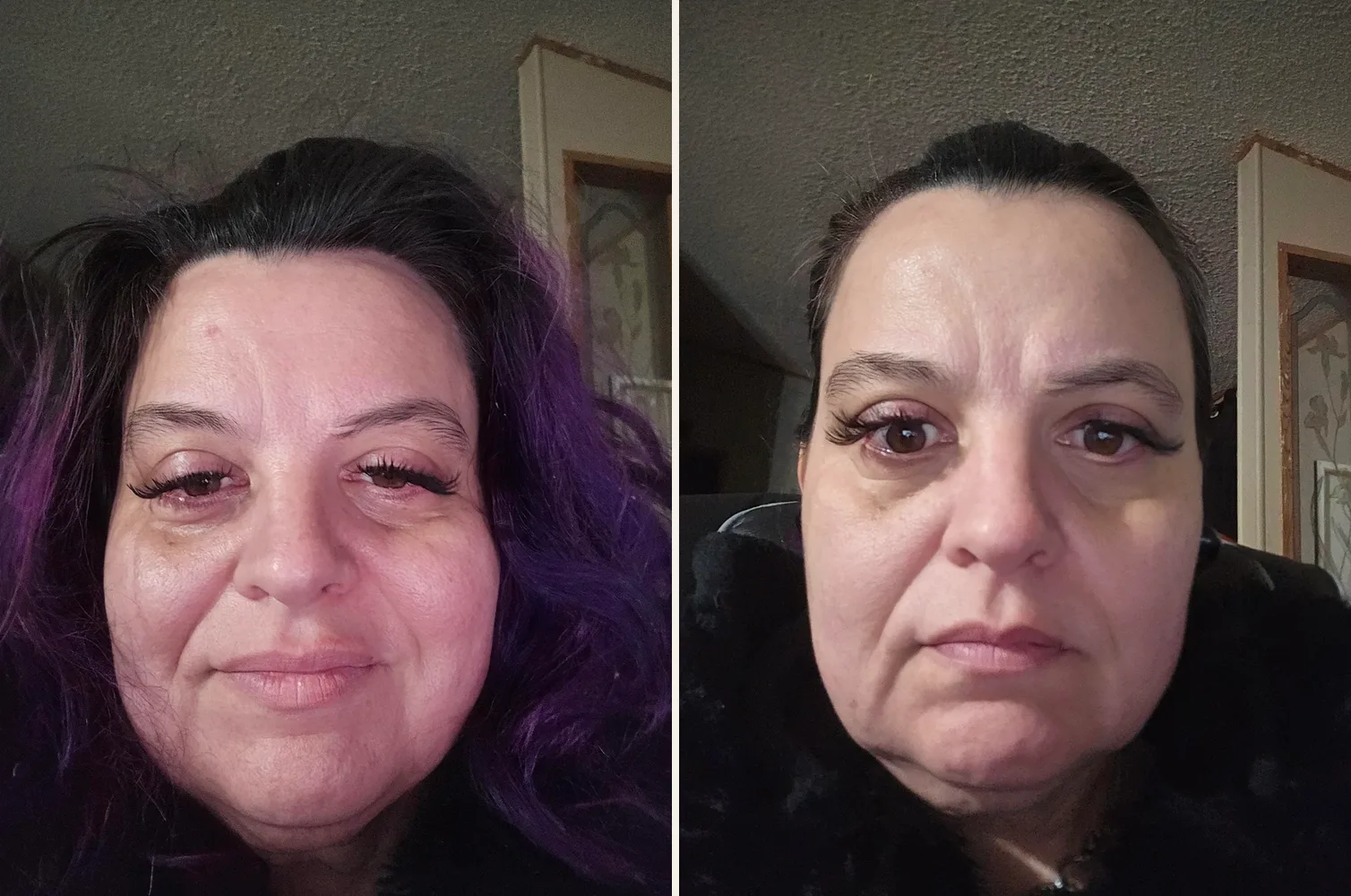
Up to 40% of the weight you lose on semaglutide or tirzepatide can come from lean body mass, not fat. That's why your face hollows out, your skin goes slack, and your arms look soft even as the number on the scale finally moves. This article is the full protection protocol: the peptides that fight back (GHK-Cu for skin remodeling, CJC-1295/Ipamorelin for growth-hormone-driven muscle preservation), what the evidence actually says about each one, realistic timelines, and what it costs to run the whole stack alongside your GLP-1 in 2025.
Key Takeaways:
- 26–40% of GLP-1 weight loss is lean mass, not fat. That ratio is what creates "Ozempic face," skin laxity, and muscle flatness.
- CJC-1295/Ipamorelin runs $300–500/month through a peptide-literate telehealth provider and women typically report visible body composition shifts by month 3.
- Injectable GHK-Cu ($150–350/month) targets collagen and elastin remodeling where topical can't reach, with most women reporting skin texture changes by weeks 6–8.
- Biostimulators like Sculptra ($800–1,200/vial, 2–3 sessions) rebuild collagen architecture in the face. HA fillers fill space. Different jobs.
- Resistance training 3x/week plus 1.2–1.6 g protein per kg of body weight is the single highest-evidence foundation. Peptides accelerate what the basics make possible.
- Starting skin and muscle protocols early (ideally before or alongside GLP-1 initiation) produces meaningfully better outcomes than trying to repair damage at goal weight.
---
Why GLP-1 Weight Loss Takes More Than Fat
Your GLP-1 is doing exactly what you hired it to do. The problem is what it takes with it on the way down.
In body composition substudies of semaglutide and tirzepatide trials, 26–40% of total weight lost was lean soft tissue, not fat. That means for every 30 pounds you drop, somewhere between 8 and 12 of those pounds were muscle, organ tissue, and water that was keeping things firm. This isn't unique to GLP-1s. Every weight loss method, from caloric restriction to bariatric surgery, costs you some lean mass. But GLP-1s can produce fast, significant drops (10–20% of total body weight in clinical trials), and speed amplifies the collateral damage.
Here's what that looks like in the mirror:
Ozempic face. Rapid subcutaneous fat loss in the midface, temples, and periorbital region creates hollowing, sagging, and deepened nasolabial folds. Your face can age a decade in six months of weight loss. This isn't a social media exaggeration. A 2024 review in the dermatologic literature documented that rapid semaglutide-induced fat depletion in the midface produces a gaunt, aged appearance even in patients who look dramatically better from the neck down.
Skin laxity. Your skin's ability to retract after volume loss depends on age, genetics, collagen quality, and how fast the fat disappears. After 35, your skin's elastin production is already declining. Combine that with rapid fat loss and you get loose, crepey skin on the arms, abdomen, inner thighs, and neck.
Muscle flatness. You're lighter, but you don't look toned. You look deflated. The lean mass loss strips away the shape that makes clothes fit and makes your body look like it belongs to someone who's healthy, not just smaller.
This is a real clinical problem, not vanity panic. A narrative review focused on GLP-1 use in women specifically flagged lean mass loss as a concern that can exacerbate sarcopenia and frailty, particularly in women over 40 who already have lower baseline muscle reserves. Researchers at Mass General Brigham reviewed the data and concluded that muscle-sparing therapies should be part of the conversation for anyone on these drugs.
So the question isn't whether you should lose the weight. The question is whether you're going to protect what makes you look good at the lower number.
---
Peptides That Preserve Muscle on a GLP-1
The reason women are stacking peptides with their GLP-1 isn't because they read it on a trend list. It's because growth hormone (GH) is one of the body's primary signals for holding onto lean tissue during a caloric deficit, and GH secretagogue peptides directly stimulate that signal.
CJC-1295 / Ipamorelin
This is the workhorse combo. CJC-1295 is a growth-hormone-releasing hormone (GHRH) analog that extends the half-life of your natural GH pulses. Ipamorelin is a ghrelin mimetic (growth hormone secretagogue) that triggers GH release without spiking cortisol or prolactin. Together, they produce a sustained, pulsatile GH elevation that mimics what your body did naturally in your twenties. For a deeper look at this stack, see the full breakdown of CJC-1295 + Ipamorelin for recomp.
What women on these protocols consistently report: better muscle retention during caloric deficit, faster recovery from resistance training, improved sleep quality (GH release peaks during deep sleep), and a general "fullness" to the muscle that calorie restriction alone strips away. The timeline is real but not instant. Most women notice body composition changes (not just scale changes) starting around weeks 8–12.
Evidence tier: Mechanism is strong (GH's role in lean mass preservation is well-established in human studies). The specific peptide combo for GLP-1 co-administration has small studies and robust clinical use, not large RCTs. That said, the clinical logic is straightforward: you're replacing a signal that caloric deficit and aging have both suppressed.
Like most research peptides, CJC-1295/Ipamorelin isn't FDA-approved for this indication, which is exactly why the interesting real-world evidence lives in what women are actually reporting and what peptide-literate clinicians are seeing in their practices.
BPC-157
Body Protection Compound-157 is a peptide fragment derived from gastric juice proteins. Its primary reputation is for tissue repair: tendons, ligaments, gut lining, and muscle recovery. Women running it alongside a GLP-1 typically report it for joint comfort (important when you're adding resistance training to a body that's been sedentary) and for a general sense of faster recovery. It's often paired with TB-500 in what's called the Wolverine stack for women.
Evidence tier: Strong animal data for tissue repair and angiogenesis (new blood vessel formation). Human evidence is limited to case reports and clinical observation. Mechanism is plausible, but this is a "mechanism + anecdote" grade for muscle preservation specifically.
Bimagrumab (the pharmaceutical pipeline)
This is the one to watch. Bimagrumab is a monoclonal antibody that blocks activin type II receptors, essentially removing the brake on muscle growth. In a 2025 study presented at the American Diabetes Association, bimagrumab combined with semaglutide produced 22.1% total weight loss, with 92.8% of that loss coming from fat mass (compared to 71.8% fat loss with semaglutide alone). When bimagrumab was used alone, 100% of weight loss was fat, and patients actually gained 2.5% lean mass.
Those numbers are extraordinary. This is the closest thing to a solve for the lean-mass-loss problem. It's still in clinical trials and not available through telehealth or compounding pharmacies yet, but it's worth knowing about because it validates the entire thesis: the muscle loss is a solvable problem, not an inevitable trade-off.
| Peptide / Compound | Primary Mechanism | Muscle Preservation Evidence | Availability (2025) | Typical Monthly Cost |
|---|---|---|---|---|
| CJC-1295 / Ipamorelin | GH secretagogue (stimulates natural growth hormone release) | Mechanism strong, clinical use widespread, no large RCTs for GLP-1 combo specifically | Telehealth / peptide clinics | $300–500/mo |
| BPC-157 | Tissue repair, angiogenesis, gut healing | Strong animal data, human evidence anecdotal | Telehealth / peptide clinics | $150–300/mo |
| Bimagrumab | Activin receptor blocker (removes muscle growth brake) | Strong human RCT data with semaglutide | Clinical trials only, not yet available | N/A (trial stage) |
A peptide-literate provider (functional medicine, anti-aging, or integrative medicine clinician who prescribes injectable peptides regularly) will typically check your IGF-1 levels, fasting glucose, and basic metabolic panel before starting GH secretagogues. They'll want to know your GLP-1 dose and titration schedule. This is the kind of provider conversation where you want someone who already understands the stack, not someone you have to convince that peptides exist.
---
GHK-Cu and Skin Laxity: What It Actually Does During Fat Loss
If CJC-1295/Ipamorelin is the muscle play, GHK-Cu is the skin play. And for women on GLP-1s watching their skin lose its grip in real time, this is the peptide that directly addresses the problem.
GHK-Cu (glycyl-L-histidyl-L-lysine copper complex) is a naturally occurring tripeptide that your body produces in declining amounts after age 20. It's a signaling molecule. It tells your fibroblasts (the cells that make collagen and elastin) to get back to work. Specifically, it upregulates collagen synthesis, promotes elastin production, activates tissue remodeling enzymes (matrix metalloproteinases), reduces inflammation, and stimulates glycosaminoglycan production (the molecules that help your skin hold water and stay plump).
During GLP-1-driven fat loss, your skin is losing the volume underneath it while simultaneously dealing with age-related collagen decline. GHK-Cu addresses the remodeling side of that equation. It doesn't replace lost volume. It improves the quality, elasticity, and tightness of the skin that remains.
Topical vs. Injectable
Topical GHK-Cu ($20–90/month for serums, $150+ when bundled into clinical-grade products): penetrates the epidermis and upper dermis. Useful for facial skin texture, fine lines, and surface-level firmness. This is the conservative entry point, and plenty of women start here.
Injectable GHK-Cu ($150–350/month through a peptide clinic or telehealth provider): subcutaneous injection delivers the peptide systemically, reaching deeper dermal layers and body areas that topical can't effectively treat. For women dealing with laxity on the abdomen, arms, inner thighs, and neck (the classic GLP-1 loose-skin zones), injectable is the route that makes the difference. For a detailed comparison, see topical vs injectable GHK-Cu.
Women running injectable GHK-Cu alongside their GLP-1 consistently report noticeable skin texture improvement by weeks 6–8, with continued tightening through months 3–6. The skin doesn't snap back overnight. But the trajectory shifts from "getting worse as I lose" to "actually improving while I lose," and that's the whole point.
The combination makes clinical sense. GLP-1s drive the fat loss. GHK-Cu addresses the secondary tissue concerns (skin laxity, inflammation, and collagen degradation) that rapid weight loss accelerates. There are no known drug interactions between GHK-Cu and semaglutide or tirzepatide. A provider who prescribes both will typically monitor your copper levels at baseline and periodically, since GHK-Cu contains copper, though systemic copper toxicity from peptide doses is not a reported concern at standard protocols.
---
How to Fight Ozempic Face Without Fillers Alone
Your face lost its scaffolding. The fat pads that lived in your temples, cheeks, and under your eyes deflated faster than your skin could adapt, and now you look older at a lower weight. This is the most psychologically brutal part of GLP-1 weight loss for most women, and the solution isn't just "get fillers." For a budget-by-budget breakdown, see the full Ozempic face repair guide.
Here's why: hyaluronic acid (HA) fillers (Juvederm, Restylane) replace volume temporarily. They fill the space. They look good immediately. But they don't rebuild anything. They dissolve in 6–18 months, and you're back where you started, except now you've spent $600–1,200 per syringe and you're on a refill schedule forever.
Biostimulators are the structural play.
Biostimulators vs. Fillers
Sculptra (poly-L-lactic acid) and Radiesse (calcium hydroxylapatite) work differently. Instead of filling space, they trigger your body's own collagen production around the injected material. The result builds gradually over 2–3 months and lasts 2+ years. For GLP-1 patients who've lost midface volume, biostimulators rebuild the collagen architecture that fat loss destroyed.
A survey of healthcare providers treating GLP-1 patients found that 47% of patients benefited most from HA fillers for immediate correction, but the growing clinical conversation is about using biostimulators as the foundation and fillers only for targeted refinement.
| Approach | What It Does | Timeline to Results | Duration | Cost Per Treatment (2025) |
|---|---|---|---|---|
| HA Fillers (Juvederm, Restylane) | Fills volume immediately | Instant | 6–18 months | $600–1,200/syringe |
| Sculptra | Stimulates collagen production | 2–3 months (gradual) | 2+ years | $800–1,200/vial (2–3 sessions typical) |
| Radiesse | Stimulates collagen + immediate volume | Immediate + gradual improvement | 12–18 months | $700–1,000/syringe |
| Microneedling + GHK-Cu | Triggers wound-healing collagen response, GHK-Cu amplifies remodeling | 4–6 weeks per session (3–6 sessions) | Cumulative, maintenance every 3–6 months | $300–600/session |
| Peptide skincare (TriHex complexes) | Clears damaged collagen/elastin, supports new production | 4–8 weeks for visible texture change | Ongoing with daily use | $100–200/month |
Microneedling + GHK-Cu
This combination is gaining serious traction in clinics treating GLP-1 patients. Microneedling creates controlled micro-injuries that activate your skin's wound-healing cascade. Applying GHK-Cu topically during or immediately after the procedure delivers the peptide directly into the channels, where it amplifies the collagen and elastin remodeling response. Women report improved skin quality, firmness, and a "bounce" returning to the midface over a series of 3–6 sessions spaced 4–6 weeks apart.
When Fillers Actually Make Sense
Fillers aren't the enemy. They're the wrong first move for most GLP-1 patients, but the right finishing touch once you've built the collagen foundation. The smart sequence: biostimulators first (to rebuild structure), peptide protocols throughout (to support ongoing remodeling), and targeted HA filler later if specific areas still need volume after the biostimulator results mature. This approach costs more upfront but dramatically less over 3–5 years compared to a filler-only maintenance cycle.
---
The Non-Peptide Basics That Make Peptides Work
Peptides are the accelerant. They are not the foundation. If you skip the basics, you're lighting an expensive match with nothing to burn.
Resistance Training: The Single Highest-Evidence Intervention
This is not optional. It is the most effective tool for preserving lean body mass during any form of weight loss, and the data is unambiguous. Researchers at Mass General Brigham reviewed the evidence and concluded that combining GLP-1 therapy with exercise and high-protein diet showed clear benefit in preserving bone and muscle mass.
The minimum effective dose: resistance training 3 times per week, hitting all major muscle groups, with progressive overload (meaning you increase weight or reps over time, not just show up and go through the motions). You don't need to become a powerlifter. You need to give your body a reason to keep the muscle while the GLP-1 strips the fat.
If you haven't lifted before, this is the moment to start. A GLP-1 without resistance training is a body-composition gamble. A GLP-1 with resistance training is a recomposition tool.
Protein: 1.2–1.6 g Per Kilogram of Body Weight, Daily
GLP-1s suppress appetite. That's the feature. But it becomes a bug when you're eating 1,000 calories a day and 40 grams of protein because nothing sounds good. ESPEN (European Society for Clinical Nutrition and Metabolism) guidelines and the clinical literature on GLP-1 and body composition both point to 1.2–1.6 g of protein per kilogram of body weight as the target range for lean mass preservation during weight loss.
For a 170-pound woman (77 kg), that's 92–123 grams of protein per day. On a suppressed appetite, that often requires strategic supplementation: protein shakes, collagen peptides in coffee, Greek yogurt, prioritizing protein at every meal even when you're not hungry.
This is the unsexy part. It matters more than any peptide you'll inject.
Slow Titration
Faster weight loss means more lean mass loss. If your provider is willing to titrate your GLP-1 dose slowly (staying at lower doses longer before increasing), you give your body more time to preferentially lose fat. This is a conversation to have with your prescriber, especially if you're a "super responder" dropping weight rapidly.
---
What a Full GLP-1 Protection Protocol Costs
Nobody talks about the real number. Your GLP-1 costs $300–1,200/month (depending on insurance, compounding, or brand). The protection protocol is on top of that. Here's what you're actually looking at in 2025.
| Component | Route | Monthly Cost | 6-Month Total | Notes |
|---|---|---|---|---|
| CJC-1295 / Ipamorelin | Injectable (subcutaneous) | $300–500 | $1,800–3,000 | Telehealth peptide clinics; includes provider consult |
| GHK-Cu | Injectable (subcutaneous) | $150–350 | $900–2,100 | Some clinics bundle with CJC/Ipamorelin |
| GHK-Cu | Topical serum | $20–90 | $120–540 | OTC or clinical-grade; face and neck |
| BPC-157 | Injectable (subcutaneous) | $150–300 | $900–1,800 | Often added for joint/recovery support |
| Biostimulators (Sculptra) | In-clinic injection | N/A (per session) | $1,600–3,600 (2–3 sessions) | Spaced 4–6 weeks apart |
| Microneedling + GHK-Cu | In-clinic | $300–600/session | $900–1,800 (3 sessions) | Spaced 4–6 weeks apart |
| Peptide skincare (TriHex) | Topical daily | $100–200 | $600–1,200 | Alastin or comparable clinical-grade |
| Protein supplementation | Oral | $50–100 | $300–600 | Whey isolate, collagen, or plant-based |
| Personal training / gym | Resistance training 3x/week | $0–300 | $0–1,800 | Range: home program to coached sessions |
Conservative stack (topical GHK-Cu + protein + gym + resistance training): ~$170–490/month
Full injectable stack (CJC/Ipa + injectable GHK-Cu + protein + gym): ~$500–1,250/month
Full stack + facial restoration (add biostimulators + microneedling): ~$500–1,250/month ongoing, plus $2,500–5,400 in one-time facial treatments over 6 months
The telehealth route is typically 20–40% less expensive than in-clinic for the peptide components, since you're self-administering subcutaneous injections at home (same technique as your GLP-1, same tiny insulin needles). Many women already doing their own semaglutide or tirzepatide injections find the peptide add-ons completely manageable.
---
Your Route Map: When to Start What
Timing matters more than most providers acknowledge. Starting skin and muscle protocols early, ideally before or alongside GLP-1 initiation, produces meaningfully better outcomes than trying to repair damage after you've already lost 40 pounds.
| Phase | Timing | Actions | Why Now |
|---|---|---|---|
| Phase 0: Pre-GLP-1 or Week 1 | Before or at GLP-1 start | Start resistance training 3x/week. Hit protein targets (1.2–1.6 g/kg). Begin topical GHK-Cu on face, neck, arms. Get baseline body composition (DXA scan, ~$75–150). | Building the habits and the collagen support before the rapid loss begins. Your skin and muscles are in the best position to respond right now. |
| Phase 1: Months 1–3 | Active weight loss phase | Add injectable CJC-1295/Ipamorelin. Add injectable GHK-Cu if skin laxity is a concern. Continue resistance training and protein. | GH support during the period of greatest caloric deficit. GHK-Cu starts the remodeling clock (6–8 weeks to first visible changes). |
| Phase 2: Months 3–6 | Continued loss, body recomposition visible | Layer in microneedling + GHK-Cu (face/neck, every 4–6 weeks). Consider biostimulators (Sculptra) if facial volume loss is significant. Add BPC-157 if joint discomfort from new training load. | Enough weight has been lost that facial changes and body laxity are becoming visible. Biostimulators need 2–3 months to show results, so starting now means you see payoff by month 6–8. |
| Phase 3: Months 6–12 | Approaching goal weight or maintenance | Reassess body composition (repeat DXA). Targeted HA fillers for any remaining facial volume deficits. Continue peptide protocols as maintenance (many women reduce frequency). Evaluate whether biostimulator touch-up is needed. | This is the refinement phase. The structural work is done. You're optimizing, not rebuilding. |
The single biggest mistake women make is waiting until they're at goal weight to address the damage. By then, the collagen degradation has been compounding for months, the muscle loss is harder to reverse, and the facial hollowing has become the thing everyone notices. Starting early doesn't cost more in total. It just distributes the investment across the timeline where it does the most good.
Not sure which peptides fit your goals and budget? Build your personal plan based on what you're actually trying to protect.
Ready to find a provider who actually understands this stack? Compare peptide-literate telehealth clinics and in-person providers who prescribe GLP-1 protection protocols. [Compare providers →]
---
Frequently Asked Questions
Can I take GHK-Cu while on semaglutide or tirzepatide?
Yes. There are no known drug interactions between GHK-Cu and GLP-1 receptor agonists. They work through completely different mechanisms (GHK-Cu is a tissue-remodeling signaling peptide; GLP-1s act on incretin receptors). Clinicians who prescribe both routinely report no contraindication concerns. Your provider will likely check baseline copper levels as a precaution.
How much muscle do you actually lose on a GLP-1?
In clinical trials, 26–40% of total weight lost was lean soft tissue. For a woman who loses 30 pounds on semaglutide, that's roughly 8–12 pounds of lean mass. The exact ratio depends on your starting body composition, protein intake, exercise habits, and rate of weight loss.
Will CJC-1295/Ipamorelin interfere with my GLP-1 medication?
No known interaction. CJC-1295/Ipamorelin stimulates growth hormone release from your pituitary gland. GLP-1s act on incretin receptors in the gut, pancreas, and brain. They operate through entirely separate pathways. Providers who prescribe both will monitor IGF-1 and metabolic markers to ensure everything is tracking appropriately.
When should I start peptides if I'm beginning a GLP-1?
Ideally, at the same time or before. The earlier you start GH secretagogues (for muscle) and GHK-Cu (for skin), the more you're protecting tissue during the period of most rapid loss. Waiting until you see damage means you're playing catch-up. See the Route Map section above for the full phased timeline.
Is Ozempic face reversible without surgery?
In most cases, yes. Biostimulators (Sculptra, Radiesse) rebuild collagen in the midface over 2–3 months and last 2+ years. Microneedling with GHK-Cu improves skin quality and firmness. Targeted HA fillers address specific volume deficits. The combination of these approaches can produce significant restoration without a surgical facelift. Severe cases with significant skin excess may eventually benefit from surgical intervention, but most women find non-surgical options sufficient.
What's the difference between biostimulators and fillers for GLP-1 face?
Fillers (Juvederm, Restylane) are hyaluronic acid gels that fill space immediately and dissolve in 6–18 months. Biostimulators (Sculptra, Radiesse) trigger your body's own collagen production, building gradually over 2–3 months and lasting 2+ years. For GLP-1 patients, biostimulators address the structural collagen loss, while fillers are best used for targeted finishing after the foundation is rebuilt.
How much protein do I need per day to preserve muscle on semaglutide?
1.2–1.6 grams per kilogram of your body weight, daily. For a 150-pound woman (68 kg), that's 82–109 grams of protein per day. For a 180-pound woman (82 kg), that's 98–131 grams. On a suppressed appetite, this usually requires deliberate planning: protein-first meals, shakes, and supplementation.
Are peptides for skin tightening FDA-approved?
Injectable GHK-Cu is not FDA-approved for skin tightening or any cosmetic indication. This is true of most research peptides used in aesthetic and anti-aging protocols. The clinical interest comes from the mechanism (well-characterized collagen and elastin signaling) and from what women and clinicians are consistently reporting in practice. Topical copper peptides are available over the counter in skincare products without requiring FDA drug approval.
Does tirzepatide cause more muscle loss than semaglutide?
Tirzepatide typically produces greater total weight loss than semaglutide (up to 20–25% of body weight vs. 15–17%), and greater total weight reduction may be associated with higher absolute losses in lean mass. The percentage of lean mass lost appears similar (26–40%), but because the total loss is larger, the absolute amount of muscle lost can be greater. This makes muscle-preservation strategies even more important on tirzepatide.
Can topical GHK-Cu work or do I need injections?
Topical GHK-Cu works for facial skin quality, fine lines, and surface-level firmness. It penetrates the upper dermis and produces visible improvements in texture over 4–8 weeks. For body-wide skin laxity (abdomen, arms, thighs), injectable GHK-Cu is the stronger option because it reaches deeper tissue layers systemically. Many women use both: topical for the face daily, injectable for systemic skin support.
What is bimagrumab and when will it be available?
Bimagrumab is a monoclonal antibody that blocks activin type II receptors, removing a natural brake on muscle growth. In a 2025 clinical trial, combining bimagrumab with semaglutide shifted weight loss to 92.8% fat (vs. 71.8% with semaglutide alone) and produced 22.1% total weight loss. It's currently in clinical trials and not yet available for prescription. No confirmed FDA approval timeline has been announced as of mid-2025, but it's the most promising pharmaceutical solution for GLP-1 muscle loss on the horizon.