Body
Peptides for Loose Skin After Weight Loss: What GHK-Cu Can Actually Do
GHK-Cu can improve skin firmness 20-30% in 12 weeks — but loose skin after major weight loss has limits. Evidence, costs, and realistic timelines here.
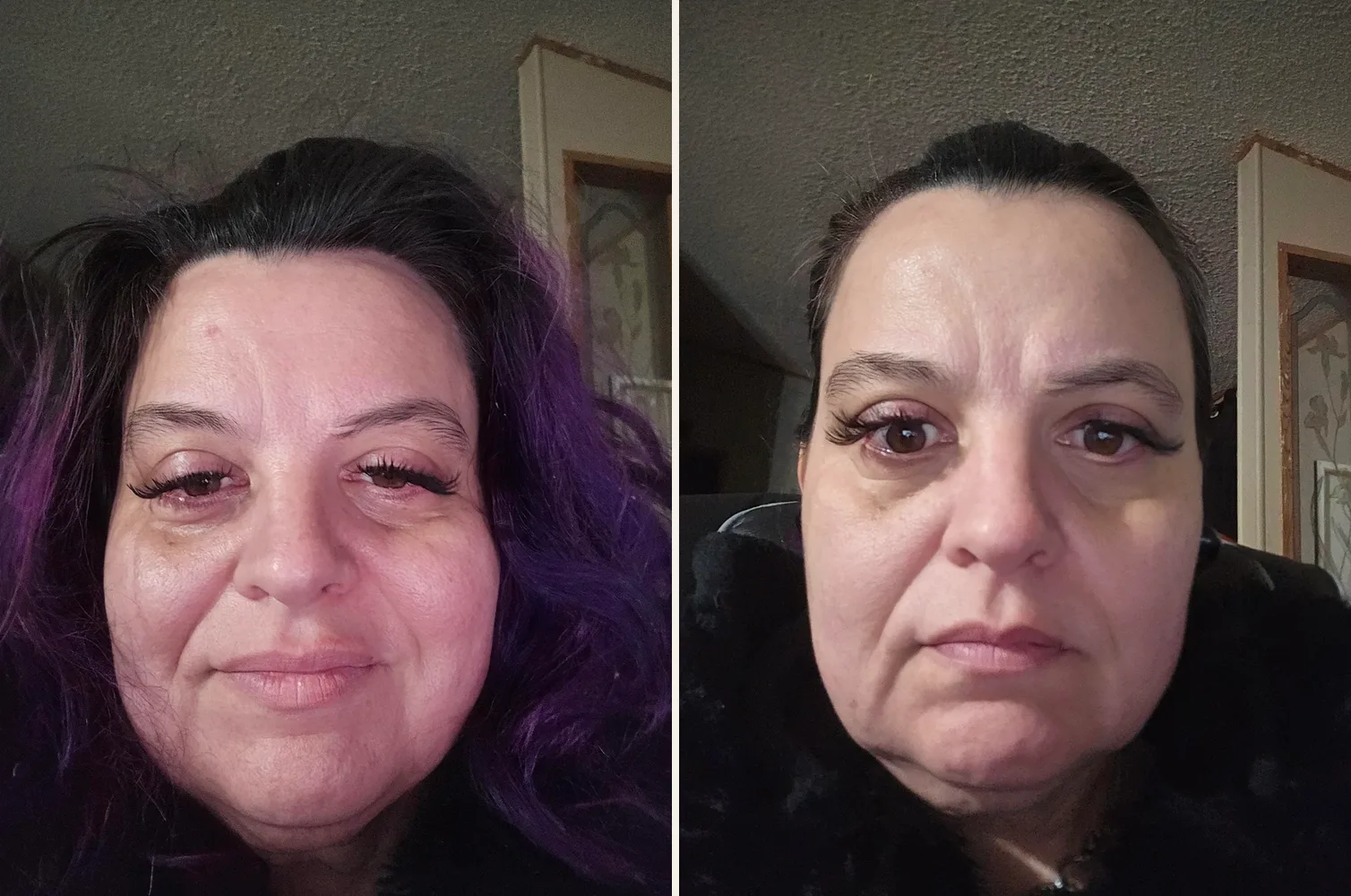
You did the hard part. You lost the weight, and now you're staring at skin that didn't get the memo. This article gives you the honest breakdown on what GHK-Cu and other peptides can do for post-weight-loss laxity: the real clinical numbers, the timelines, the costs in 2025, and where peptides stop being enough.
Key Takeaways
- GHK-Cu is the strongest-evidence peptide for skin remodeling, with human trials showing 20–30% firmness improvement and up to 55.8% wrinkle-volume reduction in 8–12 weeks of topical use.
- Injectable GHK-Cu delivers the peptide systemically to deeper dermal layers and is the route most women on serious skin-tightening protocols choose. Expect to spend $150–$300/month through a compounding pharmacy in 2025.
- BPC-157 has only ~30 total human subjects across 3 pilot studies and is currently FDA Category 2 (cannot be compounded). Stacking claims are mechanistically interesting but evidence-thin.
- Mild to moderate laxity responds best. If you've lost 50+ pounds and have hanging skin folds, peptides improve skin quality but won't replace a surgical lift.
- The sweet spot protocol combines injectable GHK-Cu with a collagen-stimulating procedure (RF microneedling, fractional laser) for compounding effects. Budget $2,000–$5,000 for a 12-week combined approach.
- Results start becoming visible around week 8, with the most-reported changes at 12 weeks: denser skin texture, less crepiness, improved "bounce."
---
Why Post-Weight-Loss Skin Is a Different Problem Than Aging Skin
The woman who lost 60 pounds on semaglutide and the woman who wants to smooth forehead lines are dealing with two completely different structural situations, and most skincare content pretends they're the same.
Aging skin loses collagen gradually. About 1% per year after 30, accelerating after menopause. The scaffolding thins, fine lines appear, elasticity drops. It's a slow fade.
Post-weight-loss skin is a mechanical failure. When skin has been stretched significantly for years, the collagen and elastin fibers in the dermis physically reorganize and, in many cases, break. The extracellular matrix (the structural mesh that holds everything together) gets remodeled around a larger volume. Lose that volume quickly, and you're left with a scaffold built for a body that no longer exists.
There are a few specific things happening:
- Elastin damage is often permanent. Elastin, the protein responsible for snap-back, has extremely low turnover in adults. Once those fibers are overstretched or fragmented, your body barely makes new ones on its own. Elastin's half-life in human tissue is estimated at roughly 70 years, which means what you have is mostly what you were born making.
- Dermal thinning compounds the problem. Prolonged stretching thins the dermis itself. You're not just dealing with slack. You're dealing with skin that's structurally thinner than it was before the weight gain.
- Fat-pad loss removes internal support. Subcutaneous fat isn't just insulation. It provides volume that keeps skin taut from underneath. Rapid weight loss removes this padding faster than skin can adapt.
This is why a retinol serum that works beautifully for crow's feet won't do much for the loose skin on your abdomen after a 70-pound loss. Different problem, different scale. The question with peptides is whether they can stimulate enough new collagen and elastin synthesis to meaningfully rebuild that dermal structure. And the answer depends on how much rebuilding your skin actually needs.
---
What GHK-Cu Actually Does to Skin at the Cellular Level
GHK-Cu (glycyl-L-histidyl-L-lysine copper complex) is a naturally occurring tripeptide. Your body already makes it. It circulates in your plasma at about 200 ng/mL at age 20, then drops to roughly 80 ng/mL by 60. That decline tracks uncomfortably well with the decline in your skin's ability to repair itself.
What makes GHK-Cu interesting for women over 40 specifically is that it doesn't just do one thing. It operates as a signaling molecule that activates or suppresses over 4,000 human genes, many of them directly involved in tissue remodeling. Here's the short list of what matters for your skin:
Collagen synthesis: GHK-Cu stimulates fibroblasts (the cells that build your skin's structural proteins) to produce new collagen. Research shows it can increase collagen synthesis by up to 70%. That's not a subtle nudge. That's a significant upregulation of the exact protein your post-weight-loss skin is short on.
Elastin production: This is where GHK-Cu separates itself from most other compounds. It can increase elastin synthesis by approximately 30%. Given that elastin is the protein most resistant to replacement in adult skin, any compound that meaningfully stimulates new elastin production is worth paying attention to.
Extracellular matrix (ECM) remodeling: GHK-Cu increases glycosaminoglycan (GAG) synthesis. GAGs are the hydrating molecules that keep your dermis plump and resilient (hyaluronic acid is the most famous one). More GAGs means better hydration at the structural level, not just the surface.
Anti-inflammatory and antioxidant signaling: GHK-Cu suppresses inflammatory cytokines and activates antioxidant genes including superoxide dismutase. Chronic low-grade inflammation actively degrades collagen, so reducing it protects whatever new collagen you're building.
The mechanism is genuinely compelling. GHK-Cu essentially tells your skin cells to behave younger, to build and repair the way they did when you had more of this peptide circulating naturally. Like most research peptides, injectable GHK-Cu isn't FDA-approved for skin tightening, which is exactly why the interesting real-world evidence lives in what women are actually reporting. And what they're reporting lines up well with what the cellular data predicts.
---
The Clinical Evidence: What 12 Weeks of GHK-Cu Looks Like
Let's get specific about what's been measured in humans.
The 71-woman facial cream study: A topical cream containing GHK-Cu was applied to the facial skin of 71 women with mild to advanced photoaging for 12 weeks. Results: increased skin density and thickness, reduced laxity, improved clarity, reduced fine lines, and reduced depth of wrinkles. Biopsies confirmed thicker dermal collagen layers. Evidence grade: small but solid human data (B-tier).
The 8-week double-blind trial: GHK-Cu in a nano-lipid carrier was compared against Matrixyl 3000 (a well-regarded cosmetic peptide) and a control serum. GHK-Cu delivered a 55.8% reduction in wrinkle volume versus control and a 31.6% reduction versus Matrixyl 3000. That's not a marginal difference. Evidence grade: strong for the specific outcome measured (B+ tier).
Firmness measurements across studies: Multiple trials measuring skin firmness after topical GHK-Cu application have documented improvements in the range of 20–30% after 12 weeks. Elasticity, hydration, and skin contrast also improved significantly.
Now, the honest caveats. These studies were:
- Conducted on facial skin with photoaging, not on abdominal or arm skin after major weight loss
- Using topical application, not injectable
- Small sample sizes by pharmaceutical standards (dozens, not thousands)
- Measuring firmness and wrinkle depth, not the kind of dramatic laxity you see after losing 80 pounds
No randomized controlled trial has been conducted on GHK-Cu specifically for post-weight-loss skin laxity. That's a gap. But the mechanism (stimulating collagen, elastin, and GAG synthesis in the dermis) is exactly what post-weight-loss skin needs. The question isn't whether GHK-Cu does what the data says it does. The question is how much of that effect translates when the structural deficit is severe rather than moderate.
Women on injectable GHK-Cu protocols consistently report visible improvements in skin texture, density, and "crepiness" starting around week 6–8, with the most noticeable changes by week 12. The skin feels thicker, bounces back better, looks less papery. For mild to moderate laxity, these reports describe meaningful, visible changes. For significant laxity (skin folds, hanging tissue), the improvements are real but not transformative on their own. For a detailed week-by-week breakdown, see the GHK-Cu results timeline.
---
BPC-157 and TB-500: What the Stacking Claims Actually Rest On
You'll hear about BPC-157 (Body Protection Compound-157) and TB-500 (Thymosin Beta-4) in the same conversations as GHK-Cu, often as part of a "Glow Stack" for comprehensive tissue regeneration. The concept is appealing: GHK-Cu handles collagen and elastin synthesis, BPC-157 drives angiogenesis (new blood vessel formation) and deep tissue repair, and TB-500 accelerates wound healing while reducing inflammation. Three peptides, three mechanisms, one goal.
Here's where the evidence actually stands:
| Peptide | Human Studies | Key Mechanism | Evidence Grade | Access in 2025 |
|---|---|---|---|---|
| GHK-Cu | Multiple small trials (topical), 71+ subjects | Collagen/elastin synthesis, ECM remodeling | B-tier: consistent small human data | Topical OTC; injectable via compounding pharmacy |
| BPC-157 | 3 pilot studies, ~30 total subjects | Angiogenesis, tissue repair, anti-inflammatory | D-tier: mechanism + limited human data | FDA Category 2, cannot be compounded as of 2024 |
| TB-500 | Minimal human data for skin applications | Wound healing, cell migration, anti-inflammatory | D-tier: mechanism + anecdote | Available via research peptide suppliers |
BPC-157 has over 100 animal studies spanning three decades, and the results in rodent models are genuinely impressive for tissue repair. But only about 30 human subjects have been studied across 3 pilot trials, none of them focused on skin. No pharmacokinetic data exists in humans. And the FDA placed BPC-157 in Category 2 in 2024, meaning it cannot be legally compounded by 503A or 503B pharmacies. That's a real access constraint, not a theoretical one.
TB-500 has even less human clinical data for skin-specific outcomes. Its wound-healing properties are well-documented in animal models and it has a plausible mechanism for supporting skin repair, but you're operating almost entirely on mechanism and community experience.
The stacking concept is mechanistically interesting. If you're already running GHK-Cu and want to add a tissue-repair peptide, TB-500 is the accessible option. But be clear-eyed: the evidence base for the "Glow Stack" is about 90% extrapolation from animal data and community reports, 10% human data. Women who run these stacks report good things. That's worth something, and it's honestly labeled as experience rather than clinical proof.
If you're choosing one peptide for skin, GHK-Cu is the one with actual human evidence behind it.
---
Topical vs Injectable GHK-Cu: Which Route Gets Real Results
This is the decision that actually shapes your outcome.
Topical GHK-Cu is what's been studied in controlled trials. Creams and serums containing copper peptides at concentrations of 0.01–1% have been shown to improve skin density, firmness, and wrinkle depth in the studies cited above. The peptide penetrates the upper dermis when formulated correctly (nano-lipid carriers perform best). This is the conservative, well-documented route.
Injectable GHK-Cu delivers the peptide subcutaneously, where it enters circulation and reaches deeper dermal layers, connective tissue, and any tissue currently in a remodeling phase. The logic is straightforward: if topical application to facial skin produces 20–30% firmness improvement, systemic delivery should reach areas that topical can't (abdomen, arms, thighs, the places where post-weight-loss laxity actually lives).
| Factor | Topical GHK-Cu | Injectable GHK-Cu |
|---|---|---|
| Evidence base | Multiple small human trials | Mechanism-supported; no controlled skin trials for injectable route |
| Delivery depth | Upper dermis, surface-level | Systemic, reaches deeper tissue layers |
| Best for | Face, neck, décolletage | Body-wide skin quality, post-weight-loss laxity |
| Access | OTC serums and creams | Compounding pharmacy, requires provider prescription |
| Cost (2025) | $20–$90/month | $150–$300/month |
| Protocol | Twice daily application | Subcutaneous injection, typically 1–2x/week |
| Timeline to visible results | 8–12 weeks | 6–12 weeks (based on community reports) |
Most women dealing with post-weight-loss skin choose injectable. The reasoning is practical: you can't effectively apply topical cream to your entire torso twice a day and expect it to penetrate deeply enough to remodel stretched dermal tissue. Injectable gets the peptide where it needs to go. For a deeper comparison, see the full topical vs injectable breakdown.
The trade-off is that the injectable route has less controlled trial data. What it has is strong mechanistic support (the peptide does the same thing regardless of delivery route, it just reaches more tissue) and a growing body of community experience from women running these protocols through peptide-literate clinics and telehealth providers.
A provider prescribing injectable GHK-Cu will typically ask about your medical history, current medications, any history of copper sensitivity or Wilson's disease (a rare genetic condition affecting copper metabolism), and your specific goals. That's the standard intake. GHK-Cu has a strong safety profile given that it's an endogenous peptide (your body already produces it), but the provider conversation matters.
---
What Peptides Cost and Where to Get Them in 2025
Real numbers, because "prices vary" helps no one.
| Route | Monthly Cost (2025) | What You're Getting | Where |
|---|---|---|---|
| Topical GHK-Cu serum | $20–$90/month | 0.01–1% copper peptide serum or cream | OTC skincare retailers, dermatologist offices |
| Injectable GHK-Cu (compounded) | $150–$300/month | Lyophilized GHK-Cu vial, bacteriostatic water, syringes | Compounding pharmacy via telehealth or in-person provider |
| Clinic-administered GHK-Cu | $200–$500/session | Injectable GHK-Cu as part of a facial or body protocol | Peptide-literate aesthetics clinics, integrative medicine practices |
| GHK-Cu + TB-500 stack | $250–$450/month | Both peptides compounded | Compounding pharmacy via provider |
| Full "Glow Stack" (GHK-Cu + BPC-157 + TB-500) | Was $300–$500/month | All three peptides | BPC-157 currently unavailable via compounding due to FDA Category 2 status |
Where to get it: The access path is a provider who prescribes compounded peptides. In 2025, that means:
- Telehealth peptide clinics that specialize in regenerative and aesthetic peptide protocols. These typically charge a consultation fee ($50–$150) plus the cost of the peptides themselves.
- Integrative medicine or functional medicine providers who are peptide-literate and have relationships with 503A compounding pharmacies. Here's how to find a doctor who prescribes these protocols.
- Aesthetic medicine clinics that offer injectable peptide protocols alongside procedures like microneedling and laser.
For topical, you don't need a prescription. Look for serums listing "copper tripeptide-1" or "GHK-Cu" in the ingredients. Concentration matters. Products from established skincare lines with published concentrations are your best bet.
The BPC-157 access situation is real. Since the FDA's 2024 Category 2 designation, legitimate compounding pharmacies cannot produce it. If your goal is skin remodeling specifically, GHK-Cu is both the better-evidenced and more accessible option.
→ Estimate your full protocol cost with the calculator
---
When Peptides Aren't Enough: Combining With Procedures That Move the Needle
Here's the honest framework. Think of your skin-tightening protocol in layers:
Layer 1: Peptides (the biochemical signal). GHK-Cu tells your fibroblasts to produce more collagen and elastin. It's the instruction set. This works well for mild to moderate laxity, improving skin density, texture, and firmness over 12+ weeks.
Layer 2: Collagen-stimulating procedures (the controlled injury). RF microneedling (Morpheus8, Vivace), fractional CO2 laser, and similar devices create micro-injuries that trigger your body's wound-healing response. When you're simultaneously running GHK-Cu, you're flooding the treatment area with a peptide that enhances exactly the repair process these devices are trying to trigger. The combination is more than additive, because GHK-Cu upregulates the genes involved in the wound-healing cascade these devices initiate.
Layer 3: Surgery (the mechanical correction). For significant laxity, meaning skin folds, hanging tissue, skin that drapes away from the body when you bend over, no peptide or device replaces surgical excision. A body lift, arm lift, or abdominoplasty removes the excess tissue that no amount of collagen stimulation can shrink. Typical costs: $8,000–$15,000+ per area in 2025.
The strategic play for many women: run GHK-Cu for 8–12 weeks before and after a collagen-stimulating procedure series to maximize the remodeling response. If surgery is eventually on the table, peptides and devices can optimize skin quality beforehand, potentially improving surgical outcomes and recovery.
Procedure costs to combine with peptides (2025):
- RF microneedling (Morpheus8): $800–$1,500/session, typically 3 sessions
- Fractional CO2 laser: $1,000–$2,500/session, typically 1–2 sessions
- Ultrasound skin tightening (Ultherapy): $2,000–$5,000 per treatment area
Women who combine injectable GHK-Cu with a 3-session Morpheus8 series report noticeably better results than either approach alone. The peptide primes the skin, the device triggers deep remodeling, and the peptide supports the healing. It's a logical stack.
---
Your Route Map: Building a Realistic Peptide Protocol
Your starting point depends on where your skin actually is, not where you wish it were.
| Laxity Level | What It Looks Like | Recommended Protocol | Expected Timeline | Estimated 12-Week Cost |
|---|---|---|---|---|
| Mild | Skin feels less firm, slightly crepey, but no folds or draping. Lost 20–35 lbs. | Injectable GHK-Cu alone, or topical GHK-Cu + targeted RF microneedling | Visible improvement by week 8–10 | $450–$900 (injectable) or $60–$270 (topical) |
| Moderate | Noticeable looseness on abdomen, arms, or thighs. Some bunching when you move. Lost 35–60 lbs. | Injectable GHK-Cu + 3-session RF microneedling series | Meaningful change by week 12, continued improvement through week 24 | $2,000–$5,000 (peptide + procedures) |
| Significant | Skin folds, hanging tissue, draping. Lost 60+ lbs. | Injectable GHK-Cu as skin-quality optimizer + surgical consultation for excision of excess tissue | Skin quality improves by week 12; structural change requires surgery | $450–$900 (peptide) + $8,000–$15,000+ (surgery) |
What to do in the first 4 weeks:
- Get a provider consultation (telehealth or in-person) and start injectable GHK-Cu.
- Take standardized photos: same lighting, same angles, same time of day. Front, side, and the specific areas that bother you. Do this every 2 weeks.
- Note your skin's baseline texture. Press your forearm or abdomen and watch how quickly it bounces back. That's your informal elasticity benchmark.
Week 4 check-in: Most women report improved skin hydration and texture by now. The skin may feel slightly thicker or "plumper" to the touch. You probably won't see dramatic visual changes yet.
Week 8 milestone: This is when it starts showing up in photos. Skin density improvements become visible. Crepiness reduces. If you're combining with procedures, schedule your first RF microneedling or laser session around this time to build on the collagen synthesis GHK-Cu has been stimulating.
Week 12 assessment: The clinical trial endpoint for a reason. Measure firmness improvement against your baseline photos. Decide whether to continue the protocol (many women run GHK-Cu for 6+ months), add procedures, or explore surgical options based on how much change you've achieved versus how much you want.
Not sure which protocol fits your situation? Build your personal plan based on your goals, budget, and where you're starting from.
---
Frequently Asked Questions
Can GHK-Cu actually tighten loose skin after losing 50+ pounds?
It can meaningfully improve skin quality, density, and firmness. Clinical data shows 20–30% firmness improvement over 12 weeks. For mild to moderate laxity, that translates to visible tightening. For severe laxity with hanging skin folds after 50+ pounds of loss, GHK-Cu improves the skin itself but can't replace the tissue removal that surgery provides. Think of it as making your skin the best version of itself, then deciding if that's enough or if you also need mechanical correction.
How long does it take to see results from GHK-Cu on loose skin?
Most women report initial texture and hydration changes by week 4. Visible firmness improvement typically appears around week 8. The 12-week mark is where clinical trials measured their strongest results: increased density, reduced laxity, improved thickness. Continued improvement has been reported through 6 months of use.
Is injectable GHK-Cu worth the extra cost over topical serums?
For post-weight-loss skin on the body (abdomen, arms, thighs), injectable is typically the better investment. Topical can't penetrate deeply enough to reach the mid-to-deep dermis across large body areas. Injectable delivers the peptide systemically. The cost difference is roughly $130–$210/month more, but you're treating your entire body's skin rather than just the surface of whatever you can reach with a cream.
Is BPC-157 legal to buy for skin tightening in 2025?
BPC-157 was placed in FDA Category 2 in 2024, which means it cannot be legally compounded by 503A or 503B pharmacies. This effectively removed it from the legitimate compounding supply chain. It's not a controlled substance, but access through standard medical channels is currently blocked.
Can I use GHK-Cu while still on semaglutide or tirzepatide?
There are no known drug interactions between GHK-Cu and GLP-1 receptor agonists (semaglutide, tirzepatide). Many women run GHK-Cu specifically because they're on a GLP-1 and losing weight faster than their skin can adapt. If that's your situation, you may also want to read about repairing Ozempic face. Your provider should know about all medications you're taking, but this combination is common in current practice and no contraindications have been identified.
What's the difference between GHK-Cu and collagen peptide supplements?
Completely different things. Oral collagen peptides (the powders you mix into coffee) provide amino acid building blocks that your body may or may not use for collagen synthesis. They work indirectly and the evidence for skin benefits is modest. GHK-Cu is a signaling peptide that directly activates the genes responsible for collagen production, elastin synthesis, and ECM remodeling. It's an instruction, not a raw material. The gene-expression data shows GHK-Cu influences over 4,000 genes involved in tissue repair. Collagen powder doesn't do that.
Do peptides work better if I combine them with microneedling or RF?
Yes, and the logic is straightforward. RF microneedling and fractional lasers create controlled micro-injuries that trigger your body's wound-healing cascade. GHK-Cu amplifies that exact cascade by upregulating collagen synthesis, reducing inflammation, and supporting tissue remodeling. Women combining injectable GHK-Cu with Morpheus8 or similar devices report results that exceed either approach alone. Some clinics apply topical GHK-Cu immediately after microneedling to take advantage of the open channels in the skin.
How much does a 12-week GHK-Cu protocol actually cost?
Topical only: $60–$270 total. Injectable GHK-Cu through a compounding pharmacy: $450–$900 total (including provider consultation). Injectable GHK-Cu plus a 3-session RF microneedling series: $2,900–$5,400 total. These are 2025 prices and vary by provider and geography. Get a personalized estimate with the cost calculator.
Will my loose skin come back if I stop using GHK-Cu?
The collagen and elastin your body builds during a GHK-Cu protocol is real, structural tissue. It doesn't disappear overnight when you stop. However, your natural GHK-Cu levels continue to decline with age, and without ongoing stimulation, collagen production returns to its baseline rate (which, after 40, means net loss over time). Many women run GHK-Cu in 12-week cycles with breaks in between, or shift to a lower maintenance frequency after an initial loading phase.
Are there any side effects or risks with injectable GHK-Cu?
GHK-Cu is an endogenous peptide, meaning your body naturally produces it, which contributes to its favorable safety profile. The most commonly reported side effects are mild: injection-site redness, minor irritation, and occasional bruising. Copper sensitivity is the primary contraindication. Wilson's disease (a genetic condition causing copper accumulation) is an absolute contraindication. Your provider will screen for this. Women with liver disease or those taking medications that affect copper metabolism should discuss this with their prescriber. Serious adverse events in the literature are rare to nonexistent, but long-term safety data for injectable use at therapeutic doses is still limited.