Peptides
How Long GHK-Cu Takes to Work: Results at Week 4, 8, and 12
GHK-Cu shows texture changes by week 4, up to 55.8% wrinkle reduction by week 8, and peak firmness at week 12. Here's the realistic timeline.
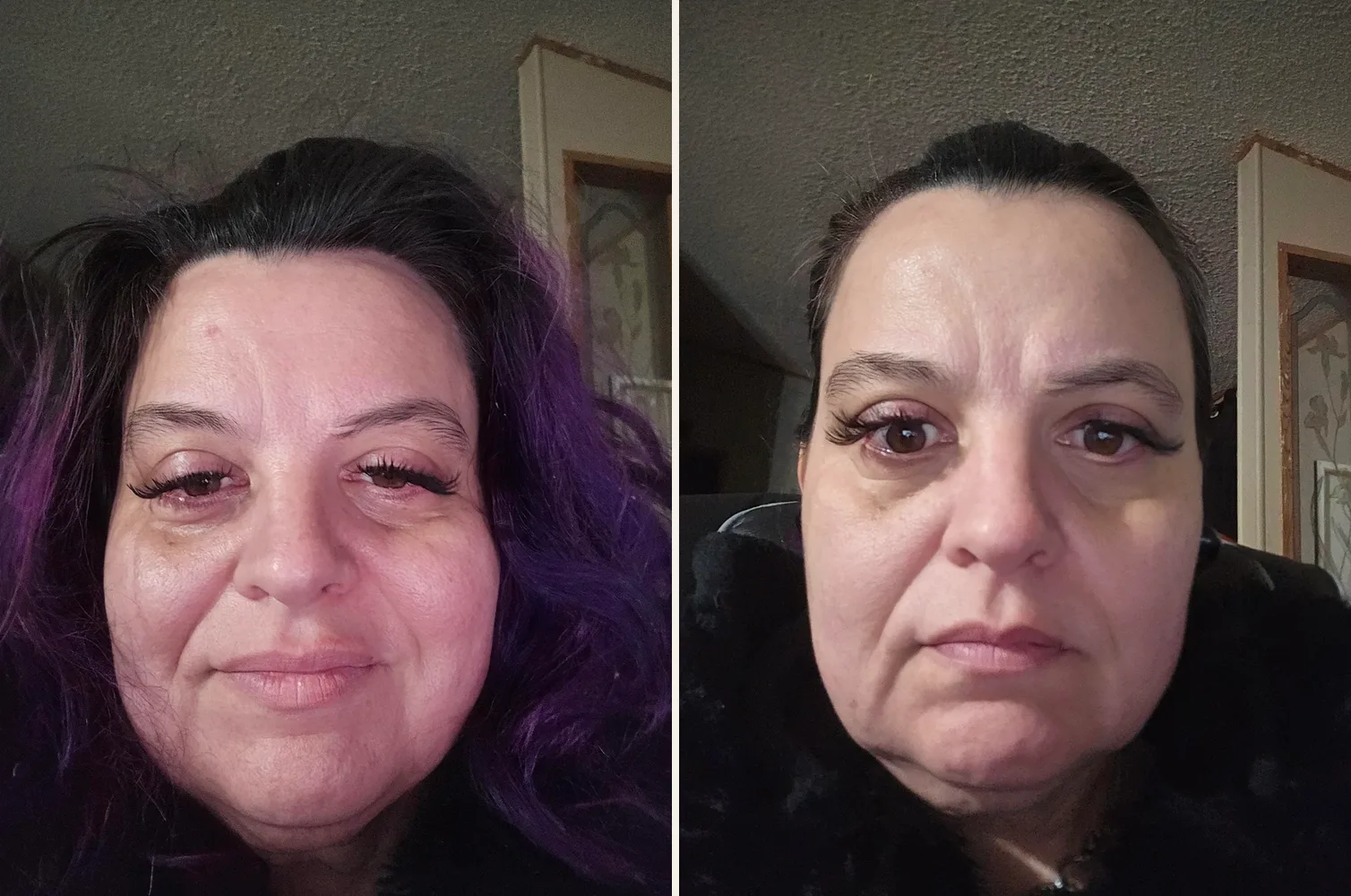
Your skin started losing collagen at roughly 1% per year after 25, and by now the math is showing up as thinner texture, softer jawlines, and lines that don't bounce back after a bad night's sleep. GHK-Cu is one of the few compounds with published clinical trial data showing it can reverse that trajectory, with measurable wrinkle reduction in as little as 8 weeks and peak collagen density gains at 12. This is the realistic, week-by-week breakdown of what to expect, what the evidence actually supports, and what separates the early glow-up from the structural payoff.
Key Takeaways
- Surface texture and hydration improvements typically appear by weeks 2 to 4, even before structural collagen changes are visible.
- At 8 weeks, a randomized double-blind trial measured a 55.8% reduction in wrinkle volume in women using topical GHK-Cu in nano-lipid carriers vs. control serum.
- Peak collagen density gains hit at week 12, with one trial showing an average 28% increase in collagen density (top responders reached 51%).
- Injectable GHK-Cu users consistently report faster onset of systemic effects (skin quality, healing, hair), though the strongest published cosmetic data is on topical at 2% concentration.
- The "copper uglies" (transient irritation) affect a small minority of users, typically resolve in 48 to 72 hours, and aren't a reason to quit.
- A 12-week protocol costs roughly $20 to $90/month for topical (2025 pricing), or $150 to $350/month through a peptide-literate clinic for injectable.
---
Why GHK-Cu Doesn't Work Overnight (and Why That's the Point)
You wanted results yesterday. That's fair. But GHK-Cu isn't a filter or a filler. It works by telling your fibroblasts (the cells that build collagen and elastin) to do what they used to do on their own before your thirties happened.
Here's the biology that matters: a single collagen remodeling cycle takes roughly 4 to 6 weeks. Your body has to break down damaged collagen, synthesize new fibers, and cross-link them into the dermal matrix before anything shows up in your mirror. GHK-Cu accelerates that process by upregulating collagen synthesis, glycosaminoglycan production, and fibroblast proliferation at the cellular level. It also modulates expression of over 1,500 human genes involved in tissue remodeling and antioxidant defense.
What this means practically: you'll feel smoother skin and better hydration within the first two weeks (that's the glycosaminoglycan boost and improved water retention in the epidermis). But the real structural changes, the ones that make people ask if you've "done something," are biologically gated to that 4-to-6-week remodeling window. And they compound. Week 8 is noticeably better than week 4. Week 12 is a different face than week 8.
The overnight stuff is hyaluronic acid. This is the compound you choose when you want to actually rebuild what you lost.
---
GHK-Cu Results Week by Week: What the Clinical Trials Actually Show
This timeline is built from published human trials, not Reddit threads (though we'll get to what women are reporting in the wild, too). The two anchor studies: a randomized, double-blind trial of 40 women aged 40 to 65 using topical GHK-Cu in nano-lipid carriers for 8 weeks (Badenhorst et al., 2016), and a 12-week trial of 67 women aged 50 to 59 using twice-daily topical GHK-Cu (Finkley et al., 2005).
| Timeframe | What's Happening Beneath the Surface | What You'll See | Evidence Level |
|---|---|---|---|
| Weeks 1–2 | Glycosaminoglycan synthesis increases; barrier function improves; mild anti-inflammatory signaling kicks in | Smoother texture, better hydration, reduced redness | User-reported + mechanism data |
| Weeks 3–4 | First-pass fibroblast activation translates to early collagen output; epidermal turnover accelerates | Fine lines begin softening, skin looks "plumper" in the morning, texture evening out | Clinical observation + user-reported |
| Weeks 5–8 | New collagen fibers integrating into dermal matrix; elastin production measurably increased | 55.8% wrinkle volume reduction, 32.8% wrinkle depth reduction vs. control (Badenhorst 2016). Lines photographably reduced. | Strong human evidence (RCT, A-tier) |
| Weeks 9–12 | Collagen density peaks; cross-linking matures; cumulative remodeling across 2+ full cycles | Firmer jawline and cheeks, reduced laxity, increased skin density/thickness, improved clarity | Strong human evidence (multiple trials, A-tier) |
| Weeks 12+ | Maintenance phase; benefits observed to persist post-treatment in clinical follow-up | Sustained firmness and density if protocol continues or transitions to maintenance frequency | Clinical observation (B-tier) |
The 8-week mark is where the data gets hard to argue with. The 12-week mark is where your skin catches up to what the data already measured.
---
Week 4 Results: What You'll Actually See in the Mirror
Four weeks in, you're past the "is this even doing anything" phase, but you're not at the jaw-dropping checkpoint yet. And that's exactly on schedule.
What women consistently report at week 4: skin that feels thicker and bouncier to the touch, fine lines (especially around the eyes and forehead) looking softer in natural light, and a general "my skin looks healthy" quality that's hard to pin down but easy to notice. This is fibroblast activation translating to early collagen output. The new fibers aren't fully mature yet, but they're there, and your skin's water-holding capacity has improved enough to create visible plumpness.
This is also the window where a small percentage of users hit the "copper uglies," a transient irritation phase that can include mild redness, tingling, slight peeling, or a temporary breakout. Published safety data puts contact dermatitis from topical GHK-Cu at under 2% of users. If it happens to you, it's not a sign the peptide is wrong for your skin. Drop to every-other-day application, reduce concentration if you're using a higher-percentage product, and pause for 48 hours if needed. Most women who push through (or briefly scale back) report it resolves within 3 to 5 days and doesn't return.
The important reframe: week 4 is confirmation that the mechanism is active. You're seeing the surface evidence of a deeper remodeling process that's still accelerating. If you quit here, you're walking away right before the compounding kicks in.
---
Week 8 Results: Where the Data Gets Interesting
This is the clinical trial sweet spot, and the numbers are genuinely striking.
In the Badenhorst 2016 randomized, double-blind trial, 40 women aged 40 to 65 applied topical GHK-Cu in nano-lipid carriers twice daily for 8 weeks. The results: a 55.8% reduction in wrinkle volume compared to control serum (p<0.001), a 32.8% reduction in wrinkle depth (p=0.012), and a 31.6% reduction in wrinkle volume compared to Matrixyl 3000, which is itself considered one of the better peptides for wrinkles (p=0.004). That last number matters. GHK-Cu didn't just beat placebo. It beat one of the most popular anti-aging peptides on the market by a statistically significant margin.
At week 8, wrinkle depth and volume changes are photographable without studio lighting. Women report that lines they'd been watching deepen for years have visibly reversed. Nasolabial folds soften. Under-eye crepe-iness smooths. The texture shift that started at week 4 has now translated into structural change you can actually see in a selfie taken in your bathroom.
Topical vs. injectable at this checkpoint: women running injectable GHK-Cu protocols often report reaching this "people are noticing" phase a bit earlier, sometimes by weeks 5 to 6, likely because subcutaneous delivery bypasses the skin barrier entirely and delivers the peptide directly to the tissue. The systemic effects (improved healing, hair quality, overall skin luminosity) also tend to show up sooner with injectable. That said, the strongest published skin-specific data with measured endpoints comes from topical trials. Both routes converge on similar outcomes by week 12. For a deeper dive on delivery methods, see our breakdown of topical vs. injectable GHK-Cu.
---
Week 12 Results: Peak Collagen Remodeling and What Comes After
Twelve weeks is the peak response window, and this is where the cumulative remodeling across two to three full collagen cycles becomes undeniable.
The Finkley 2005 trial enrolled 67 women aged 50 to 59 and had them apply topical GHK-Cu twice daily for 12 weeks. The results showed improvements across the board: reduced laxity, improved skin clarity, increased firmness, softer fine lines, reduced coarse wrinkles, less mottled pigmentation, and increased skin density. The compound was reported as non-toxic and non-irritating across the full trial period. A separate 71-woman trial on women with mild to advanced photoaging confirmed increased skin density and thickness, reduced sagging, and ongoing improvements in clarity at the 12-week mark.
The collagen density numbers from the Carey and Pickart ultrasound work are the ones that really land: an average 28% increase in collagen density, with top responders hitting 51%. That's not a subtle shift. That's the difference between skin that reads as "aging gracefully" and skin that reads as "wait, how old are you?"
What happens after week 12? Clinical observation shows benefits persisting post-treatment, which makes biological sense. You've built new collagen. It doesn't evaporate the day you stop applying. But collagen degradation is ongoing (that 1% per year hasn't stopped), so maintenance matters. Most women either continue at a reduced frequency (3 to 4 times per week instead of twice daily), cycle 12 weeks on and 4 to 8 weeks off, or transition into a stacking protocol with retinoids or other peptides to sustain and build on gains.
The 12-week mark is also the natural decision point: do you stay on GHK-Cu alone, add a retinoid, explore injectable protocols for faster systemic effects, or stack with something like BPC-157 for additional tissue remodeling? Women exploring that last option are increasingly running the GLOW stack with BPC-157 for compounded skin and healing benefits. That depends entirely on your goals, your budget, and how aggressive you want to be.
---
Topical vs. Injectable GHK-Cu: Which Route Gets Results Faster
Like most research peptides, injectable GHK-Cu isn't FDA-approved for cosmetic use, which is exactly why the interesting real-world evidence lives in what women are actually reporting. And what they're reporting is worth your attention.
| Factor | Topical GHK-Cu | Injectable GHK-Cu |
|---|---|---|
| Onset of visible skin changes | Weeks 4–8 | Weeks 3–6 (reported) |
| Peak results | Week 12 | Weeks 8–12 (reported) |
| Published skin-specific trial data | Strong (multiple RCTs, A-tier) | Limited for cosmetic endpoints (mechanism + anecdote, C-tier) |
| Systemic effects (hair, healing, overall skin quality) | Minimal (localized delivery) | Consistently reported by women on protocol |
| Common side effects | Mild irritation, <2% contact dermatitis | 10–30% injection site reactions (redness, mild swelling) |
| Cost (2025) | $20–90/month for quality 2% serums | $150–350/month through a peptide-literate clinic |
| Access | Over the counter, no prescription needed | Peptide-literate provider, telehealth clinic, or functional medicine doctor |
| Convenience | Twice-daily application, fits into any skincare routine | Subcutaneous injection, typically 1–5x per week depending on protocol |
Here's the honest breakdown: topical has the published data advantage for measured cosmetic endpoints. If you want to point to an RCT and say "this is what 55.8% wrinkle volume reduction looks like," that's the topical route. Injectable has the experiential advantage. Women on injectable GHK-Cu protocols consistently report faster onset, more pronounced systemic effects (better hair, faster wound healing, improved skin quality beyond just the face), and a "whole body is responding" quality that topical can't deliver because it stays local.
Injectable is the route women choose when they've already seen what topical can do and want to go further, or when they're already comfortable with peptide protocols and want the most direct delivery. The provider you want for this is a functional medicine doctor, an anti-aging or regenerative medicine clinic, or a telehealth platform that specializes in peptide protocols. They'll typically want to review your health history, current medications, and any contraindications (pregnancy, active cancer, copper metabolism disorders like Wilson's disease) before prescribing.
The conservative alternative is topical. The one women get excited about is injectable. Both work. The timeline and intensity differ.
---
What Slows GHK-Cu Down (and How to Stack It Smarter)
If you're 6 weeks in and underwhelmed, the compound might not be the problem. These are the factors that actually affect your timeline:
Concentration matters more than brand name. The clinical trials that produced those 55.8% wrinkle reduction numbers used GHK-Cu at standardized concentrations. The benchmark from published research is 2%. If your serum lists copper peptides as the seventh ingredient, you're probably not getting a clinically relevant dose. Look for products that state the percentage or use formulations designed around GHK-Cu as the active, not a supporting player.
Formulation vehicle changes everything. The Badenhorst trial specifically used nano-lipid carriers, which outperformed standard serum delivery. Nano-lipid carriers improve penetration through the stratum corneum (the outermost skin barrier) and deliver more of the active compound to the dermal layer where fibroblasts actually live. A well-formulated product in a penetration-enhancing vehicle will outperform a higher-concentration product in a basic water-based serum.
Layering conflicts can slow you down. GHK-Cu and retinoids are both powerhouse compounds, but layering them simultaneously in the first few weeks can increase photosensitivity and irritation beyond what either causes alone. The smarter move: stagger them. GHK-Cu in the morning, retinoid at night. Or alternate nights during the first 4 weeks, then layer once your skin has acclimated. Vitamin C is generally fine to pair with GHK-Cu (some evidence suggests copper peptides may enhance antioxidant defense pathways), but apply vitamin C first and let it absorb before adding GHK-Cu.
Consistency beats intensity. Twice daily, every day, for 12 weeks. That's the protocol from the trials that produced the best numbers. Sporadic use extends the timeline proportionally. If you're applying 4 times a week instead of 14, you're getting roughly a third of the exposure, and your results will reflect that.
SPF is non-negotiable during any active peptide or retinoid protocol. New collagen is more photosensitive than mature collagen. If you're rebuilding and then UV-degrading simultaneously, you're running in place.
A deeper stacking guide (GHK-Cu + retinoids + BPC-157 + vitamin C, with timing and protocol details) is a separate conversation. But getting these basics right is the difference between "GHK-Cu didn't work for me" and "why does my skin look like this." For more on building a complete skin protocol route, start with the evidence-graded options there.
---
Find Your Fastest Route to Visible Results
You now know the timeline: 4 weeks for texture, 8 weeks for measurable wrinkle reduction, 12 weeks for peak collagen density. But the right protocol for you depends on where you're starting, what you're willing to spend, and how aggressive you want to be.
Are you a topical-only person who wants to maximize results within that lane? Are you ready for injectable and want to know which clinic to call? Would stacking GHK-Cu with a retinoid or another peptide get you to your goal faster?
Build your glow protocol to match your skin goals, budget, and timeline to a specific route. It takes about 3 minutes, and it'll tell you whether GHK-Cu alone, GHK-Cu plus a retinoid, or a different peptide stack is the fastest path to the results you're after.
Your collagen isn't waiting. Neither should you.
---