Face
How to Fix Ozempic Face: Peptide and Retinoid Repair by Budget
Ozempic face repair options ranked by cost—from $15 retinoids to $4K filler plans. Evidence-graded routes for GLP-1 facial volume loss.
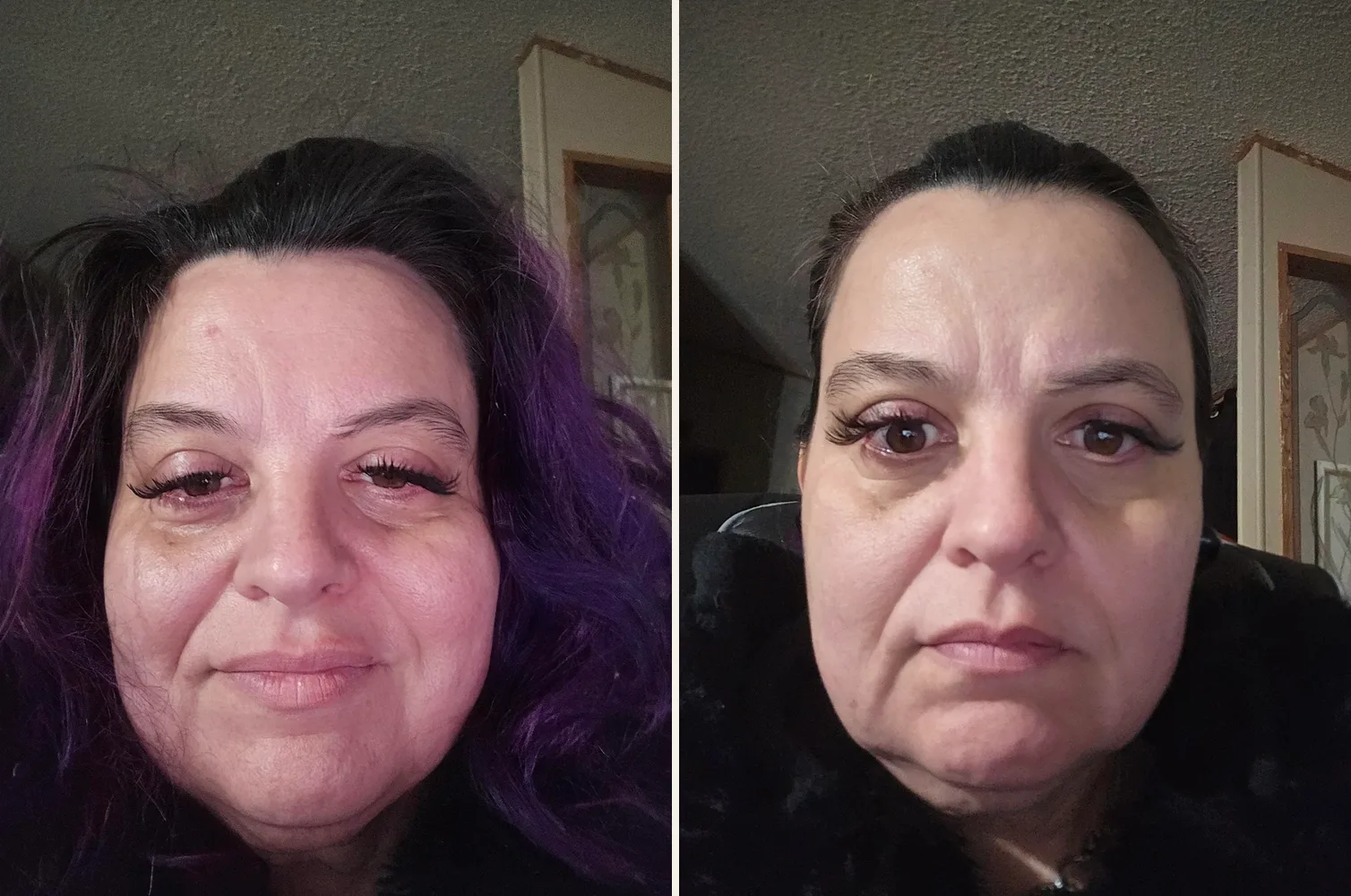
You lost the weight and gained a face that looks ten years older than it did six months ago. The hollowed cheeks, the under-eye shadows, the skin that seems to hang where it used to fit tight: this is fixable at every budget, from a $15/month prescription retinoid all the way to a $4,000+ annual combination protocol with biostimulators, fillers, and threads. What matters is matching the repair to the damage, and knowing what each dollar actually buys you in collagen, volume, and time.
Key Takeaways
- Prescription tretinoin (0.025–0.05%) costs $15–30/month through telehealth and shows measurable new collagen synthesis in 8–24 weeks, backed by strong RCT evidence.
- Injectable GHK-Cu peptide is the most exciting under-the-radar route for dermal remodeling. Women on these protocols consistently report firmer, thicker-feeling skin within 6–10 weeks.
- Biostimulatory injectables (Sculptra, hyperdilute Radiesse) run $500–$2,000 per treatment round and peak at 3–6 months. A 2025 case series found hyperdilute Radiesse actually preserved facial volume in GLP-1 users during active weight loss.
- Full combination protocols (fillers + biostimulators + threads + neuromodulators) range from $2,000–$5,000+ annually but address all three layers of damage: fat deflation, collagen loss, and skin laxity.
- Starting retinoids and peptides before significant volume loss is the cheapest prevention strategy available, and the one most prescribers forget to mention.
- The comparison tool at the end of this piece matches your budget and severity to a provider who actually understands GLP-1-specific facial changes.
---
What Ozempic Face Actually Is (and Why Your Skin Didn't Keep Up)
The term sounds like a side effect. It's really a mechanical consequence. When GLP-1 receptor agonists like semaglutide or tirzepatide drive rapid weight loss (often 14.9–17.4% of body weight in clinical trials), your body pulls from fat stores everywhere, including the deep and superficial fat pads that give your face its structure. The malar fat pad (the one responsible for cheekbone definition), the buccal fat pad, the periorbital fat that keeps your under-eyes smooth: they all deflate. And they deflate faster than your skin can contract to match.
A 2025 Cosmoderma review identified the triple hit: subcutaneous fat loss, collagen depletion, and muscle loss. Your skin isn't just draped over less volume. It's structurally weaker. GLP-1-driven weight loss appears to accelerate the breakdown of collagen and elastin in the dermis, which is why the laxity looks disproportionate to the pounds lost. A 2026 systematic review of 40 studies confirmed that medication-driven weight loss affects facial fat distribution differently than traditional caloric restriction. The fat pads don't just shrink uniformly. They deflate in a pattern that mimics aging by 10–15 years, concentrating loss in the mid-face and temples.
This is not your fault. You didn't lose weight wrong. Your skin's collagen production was already declining (roughly 1% per year after 30), and the GLP-1 just outpaced its ability to remodel. The good news: every layer of this damage has a repair route, and the earlier you start, the less aggressive you need to get.
---
The $15-a-Month Tier: Retinoids and Peptides You Start Tonight
If you're catching this early, or if your volume loss is mild (slight hollowing, some new fine lines, skin that looks a little tired rather than truly deflated), topicals are your foundation. And even if your volume loss is significant enough to need injectables later, this tier is still where you begin. Every repair protocol worth its price is built on a retinoid base.
Tretinoin is the only topical with decades of RCT-level evidence for actual new collagen synthesis. A systematic review of randomized controlled trials confirmed that topical tretinoin increases procollagen synthesis, restores dermal matrix, and measurably improves wrinkling and skin laxity. This isn't marketing language from a serum brand. It's histological evidence: biopsies showing new collagen fibers where there weren't any before. Evidence grade: A (strong human evidence from multiple RCTs).
Start at 0.025% if your skin is reactive or you've never used a retinoid. Move to 0.05% after 4–6 weeks if tolerated. Visible dermal remodeling takes 8–24 weeks. This is not an overnight fix. It is the most cost-effective collagen intervention that exists.
GHK-Cu (copper peptide) is where this gets interesting. Like most research peptides, injectable GHK-Cu isn't FDA-approved for skin rejuvenation, which is exactly why the interesting real-world evidence lives in what women are actually reporting. GHK-Cu is a naturally occurring tripeptide that declines with age (your plasma levels at 60 are roughly 40% of what they were at 20). It signals fibroblasts to produce collagen, elastin, and glycosaminoglycans. Women running injectable GHK-Cu protocols consistently report firmer skin texture, improved elasticity, and a "plumped" quality to the dermis within 6–10 weeks. Topical GHK-Cu serums are the more conservative entry point, with smaller but still notable results for skin texture and firmness. Evidence grade: C (mechanism well-established, small studies, strong anecdotal pattern).
Hyaluronic acid serums don't build collagen, but they improve surface hydration and can make mild volume loss look less dramatic while your retinoid and peptide protocols do the deeper work. Think of them as the concealer while the renovation happens underneath.
| Product / Route | Monthly Cost (2025) | Evidence Grade | Time to Visible Results | Best For |
|---|---|---|---|---|
| Prescription tretinoin 0.025–0.05% (telehealth Rx) | $15–30 | A (strong RCT evidence) | 8–24 weeks | Collagen rebuilding, fine lines, skin texture |
| OTC retinol 0.3–1.0% | $20–60 | B (moderate evidence, weaker than tretinoin) | 12–30 weeks | Sensitive skin, retinoid beginners |
| GHK-Cu serum (topical) | $30–70 | C (mechanism + anecdote) | 6–12 weeks | Skin firmness, elasticity |
| Injectable GHK-Cu | $80–200 (varies by protocol) | C (mechanism + strong anecdotal) | 4–10 weeks | Dermal thickening, firmness, faster results |
| Hyaluronic acid serum | $15–50 | B (hydration, not collagen) | Immediate surface, 2–4 weeks sustained | Surface hydration, mild plumping |
The timeline reality check: topicals alone won't restore a significantly deflated mid-face. They rebuild dermal quality, improve skin thickness, and reduce fine lines. If you've lost 30+ pounds rapidly and your temples are hollow and your nasolabial folds have deepened by a centimeter, you need the topical base and something from the next tier up. But if you're in the first 10–15 pounds of loss and you start now, you're buying yourself time and potentially avoiding the more expensive interventions entirely.
---
The $500–$2,000 Tier: Biostimulators and Energy Devices
This is the tier where you stop managing the appearance of volume loss and start actually rebuilding the scaffolding. Biostimulatory injectables don't fill space with gel. They trigger your body to produce its own collagen in the treated area. The results take longer to appear (peaking at 3–6 months), but they look more natural and last longer than traditional fillers.
Sculptra (poly-L-lactic acid / PLLA) has been used for facial volume restoration since 2004. It works by creating a controlled inflammatory response that stimulates Type I collagen production over months. For GLP-1-related volume loss, most practitioners recommend 2–3 sessions spaced 4–6 weeks apart. Cost per session: $800–$1,200 in most metro markets (2025). A Galderma clinical trial found that 91.4% of patients treated with a Sculptra + Restylane combination for medication-driven weight loss would recommend the protocol to others. Evidence grade: B+ (strong clinical use data, emerging GLP-1-specific evidence).
Hyperdilute Radiesse (calcium hydroxylapatite / CaHA-CMC) is the one generating the most excitement for GLP-1 patients specifically. A 2025 case series published in Aesthetic Surgery Journal Open Forum found that patients on GLP-1 receptor agonists who were treated with hyperdilute CaHA-CMC showed unexpected preservation of facial volume during active weight loss. Not just restoration after the fact. Preservation during. That's a different proposition entirely, and it's why peptide-literate aesthetic providers are increasingly recommending hyperdilute Radiesse as a preventive treatment for women starting GLP-1s. Cost per session: $600–$1,000. Most protocols call for 2–3 sessions. Evidence grade: B (case series, strong mechanistic rationale, emerging).
Polynucleotides (PDRN/PN) are newer to the US market but widely used in Europe and Korea. They stimulate fibroblast activity and improve skin quality at the dermal level. Think of them as the injectable equivalent of what GHK-Cu does topically, but more concentrated and delivered directly where you need it. Women report improved skin texture, hydration, and a subtle volumizing effect over 2–4 sessions. Cost: $400–$800 per session. Evidence grade: C+ (strong international data, limited US-specific trials).
Microneedling with PRP and RF microneedling (Morpheus8, Vivace, Potenza) target skin laxity and texture rather than volume. They're most useful as add-ons to a biostimulator protocol, not standalone fixes for significant volume loss. RF microneedling runs $800–$1,500 per session, typically 3 sessions recommended. PRP microneedling is $500–$900 per session. Results peak at 4–8 weeks post-treatment. Evidence grade: B for skin tightening, C for volume restoration.
| Treatment | Cost Per Session (2025) | Sessions Needed | Peak Results | Duration | Best For |
|---|---|---|---|---|---|
| Sculptra (PLLA) | $800–$1,200 | 2–3 | 3–6 months | 18–24 months | Mid-face volume, temple hollowing |
| Hyperdilute Radiesse (CaHA-CMC) | $600–$1,000 | 2–3 | 3–4 months | 12–18 months | Volume preservation during GLP-1 use, skin quality |
| Polynucleotides (PDRN/PN) | $400–$800 | 2–4 | 2–3 months | 6–12 months | Skin quality, hydration, subtle volume |
| RF Microneedling (Morpheus8, etc.) | $800–$1,500 | 3 | 4–8 weeks | 12–18 months | Skin laxity, texture |
| Microneedling + PRP | $500–$900 | 3–4 | 4–6 weeks | 6–12 months | Skin texture, mild tightening |
The timing question matters here. If you're still actively losing weight on your GLP-1, biostimulators (especially hyperdilute Radiesse) make more strategic sense than traditional fillers, because they're building collagen infrastructure rather than adding volume that will shift as your weight changes. Most experienced injectors will tell you to wait until your weight has stabilized before doing HA fillers, but they'll start biostimulators during active loss.
---
The $2,000–$5,000+ Tier: HA Fillers, Threads, and Combination Protocols
When the volume loss is significant (deep temple hollowing, pronounced nasolabial folds, jowling, visible skeletal contours that weren't there a year ago), you're looking at a layered approach. The PMFA Journal case report on GLP-1 aesthetic restoration laid out what experienced practitioners are converging on: a multimodal protocol combining neuromodulators, biostimulators, threads, and fillers, each targeting a different layer of the problem.
Hyaluronic acid fillers (Juvederm Voluma, Restylane Lyft, RHA Collection) provide immediate volume where you need it most. For GLP-1 facial volume loss, the typical starting point is 4–8 syringes across the mid-face, temples, and under-eyes. At $600–$900 per syringe (2025 pricing), that's $2,400–$7,200 for an initial correction. Maintenance requires 2–4 syringes annually. HA fillers last 12–18 months in the mid-face, shorter in high-movement areas. Evidence grade: A for volume restoration (decades of data), B for GLP-1-specific application.
Here's the thing most filler-first clinics won't tell you: HA filler alone in a GLP-1 face often looks wrong. The volume loss pattern is different from age-related loss. Fat pads deflate from the deep layer outward, and the skin quality has deteriorated simultaneously. Injecting filler into skin that's lost its collagen scaffolding is like inflating a balloon that's lost its elasticity. It fills, but it doesn't look right. That's why the practitioners getting the best results are layering biostimulators first (to rebuild the collagen matrix), then adding HA filler on top (to restore precise volume), then using threads or neuromodulators to address laxity and movement.
PDO thread lifts address the skin laxity component that neither fillers nor biostimulators fully solve. A 2024 prospective study found that 82% of patients maintained sustained satisfaction with PDO thread treatments at 24 months on the Global Aesthetic Improvement Scale. Threads cost $1,500–$3,500 depending on the number placed and the treatment area. They provide an immediate lift with continued collagen stimulation over 4–6 months as the threads dissolve. Evidence grade: B (growing prospective data, strong satisfaction rates).
The combination protocol for moderate-to-severe GLP-1 facial volume loss typically looks like this over 12 months:
- Month 1–2: Hyperdilute Radiesse or Sculptra (biostimulation phase), 2 sessions. $1,200–$2,400.
- Month 3–4: HA filler placement once biostimulator results are visible and weight is stable. 4–6 syringes. $2,400–$5,400.
- Month 4–5: PDO threads for jawline and mid-face laxity if needed. $1,500–$3,500.
- Ongoing: Tretinoin + GHK-Cu peptide protocol. $30–230/month.
- Annual maintenance: 2–4 syringes HA filler, 1 biostimulator session. $1,800–$4,600/year.
Total first-year investment for significant volume loss: $5,100–$11,300+. Annual maintenance after that: $2,000–$5,000. These numbers are real. They're also what it costs to look like yourself again, and most women who've been through this will tell you the first year is the expensive one.
---
Budget-to-Results Comparison: What Each Tier Actually Delivers
This is your decision table. Be honest about where your volume loss falls, and match accordingly.
| Approach | Annual Cost (2025) | Evidence Grade | Time to Visible Results | Maintenance | Best For |
|---|---|---|---|---|---|
| Tretinoin + peptide serums | $180–$600/year | A (tretinoin), C (peptides) | 8–24 weeks | Daily application, indefinite | Mild volume loss, prevention, skin quality |
| Injectable GHK-Cu + tretinoin | $1,000–$3,000/year | C+ (GHK-Cu), A (tretinoin) | 4–12 weeks | Ongoing cycles | Mild-to-moderate, dermal thickening, skin firmness |
| Biostimulators (Sculptra or Radiesse) | $1,200–$3,600/year | B+ | 3–6 months | Every 12–24 months | Moderate volume loss, collagen rebuilding |
| Biostimulators + energy devices | $2,000–$5,000/year | B+ | 3–6 months | Every 12–18 months | Moderate volume loss + laxity |
| HA fillers (standalone) | $2,400–$7,200 initial, $1,200–$3,600 maintenance | A | Immediate | Every 12–18 months | Targeted volume (cheeks, temples, under-eyes) |
| Combination protocol (biostim + filler + threads) | $5,100–$11,300 first year, $2,000–$5,000 maintenance | B+ (combined approach) | 3–6 months full effect | Ongoing | Significant volume loss, multi-layer damage |
| Combination + injectable peptides | $6,000–$14,000 first year | B+ to C+ | 4–12 weeks (peptides), 3–6 months (full) | Ongoing | Aggressive repair, maximum dermal remodeling |
The column that matters most is "Best For." A woman with mild hollowing who spends $8,000 on fillers is overpaying. A woman with significant mid-face deflation who tries to fix it with retinol alone is going to be frustrated for a year. Match the tool to the problem.
---
How to Prevent More Damage While You're Still on GLP-1s
If you're reading this before the worst of it has happened, you have options that are dramatically cheaper than repair.
Protein intake is non-negotiable. The facial volume loss from GLP-1s is partly driven by lean mass loss, not just fat loss. Clinical data consistently shows that adequate protein (1.0–1.2g per kg of body weight daily, minimum) during GLP-1 therapy helps preserve lean tissue, including the facial musculature that supports your skin. If you weigh 170 pounds, that's 77–93g of protein per day. Most women on semaglutide are eating far less than this because of appetite suppression. This is the single cheapest intervention: $0 extra if you're already eating, maybe $30–50/month in protein supplements if you're not.
Talk to your prescriber about titration speed. Slower dose escalation (staying at each semaglutide dose level for 8 weeks instead of 4, for example) means slower weight loss, which gives your skin more time to contract and your collagen more time to remodel. Not every prescriber will agree to this, but it's a reasonable conversation to have, especially if you've already noticed early facial changes.
Start tretinoin and GHK-Cu now, not after. Collagen synthesis takes months. If you begin a retinoid protocol at the same time you start your GLP-1 (or within the first month), you're building new collagen while the weight is coming off rather than trying to catch up afterward. If you're considering layering both, the tretinoin + GHK-Cu protocol breaks down exactly how to sequence them. This is the prevention strategy with the best cost-to-impact ratio.
Preventive biostimulator sessions are the most aggressive prevention move. The hyperdilute Radiesse case series showed volume preservation during active GLP-1 weight loss. One or two sessions of hyperdilute Radiesse ($600–$1,000 each) before significant volume loss occurs may save you $5,000+ in restoration costs later. Ask your provider about this specifically. If they haven't heard of it, find one who has.
Resistance training preserves facial muscle volume and overall lean mass. It's free (or the cost of a gym membership). It won't prevent fat pad deflation entirely, but it supports the structural layer beneath the fat.
---
Your Route Map: Pick Your Budget and Find a Provider
If your volume loss is mild (you can see it, others probably can't yet): Start prescription tretinoin tonight through telehealth ($15–30/month). Add a GHK-Cu peptide protocol, either topical to start or injectable if you want faster results. Give it 12–16 weeks. Reassess. This costs under $200/month and addresses the dermal quality component that underlies everything else.
If your volume loss is moderate (people have commented, your mid-face looks flatter, your temples are starting to hollow): Topical base + biostimulators. Get a consultation with an injector experienced in GLP-1-specific facial restoration. Sculptra or hyperdilute Radiesse, 2–3 sessions. Add injectable GHK-Cu for dermal thickening. Budget $2,000–$4,000 for the first round. Expect the GHK-Cu results timeline to show meaningful skin-quality changes by week 8.
If your volume loss is significant (you look dramatically different, deep hollowing, visible jowling, you feel like you aged a decade): You need the combination protocol. Biostimulators first, then HA fillers once your weight stabilizes, threads if laxity is pronounced. Find a provider who does all of these, not a filler-only clinic. Budget $5,000–$12,000 for the first year, with the understanding that maintenance drops to $2,000–$5,000 annually.
The provider matters enormously here. GLP-1 facial volume loss is a different animal than age-related volume loss. The fat pad deflation pattern is different. The skin quality changes are different. The timing considerations (still losing vs. weight-stable) change the treatment plan entirely. You want someone who has treated dozens of GLP-1 patients specifically, not someone who's going to treat you like a standard age-related volume loss case and overfill your cheeks with HA. Knowing which doctors prescribe peptides is the first filter.
A peptide-literate provider (functional medicine, integrative dermatology, or an aesthetic clinic that works with research peptides) can combine injectable GHK-Cu with biostimulators and fillers for a protocol that addresses both the collagen quality and the volume simultaneously. This is the approach women are getting the most dramatic results from, and it's still underutilized because most traditional derm offices don't offer peptide protocols.
Not sure which combination of routes fits your budget and goals? Build your personal plan — it takes your severity level, timeline, and spending range into account.
Compare providers who specialize in GLP-1 facial restoration and see real pricing for your area and severity level. That's the next move.
---
Frequently Asked Questions
Does Ozempic face go away if you stop taking semaglutide? Partially, and slowly. If you regain some weight after stopping, facial fat pads can refill to a degree, but the distribution won't be identical to pre-treatment. Skin laxity and collagen loss don't reverse on their own. Most women who stop GLP-1s see some natural improvement in facial fullness over 6–12 months, but rarely a complete return to baseline without intervention.
How long does it take for facial volume to come back naturally after GLP-1 weight loss? If you've stabilized your weight and you're under 45, mild volume loss may partially self-correct over 6–18 months as your skin slowly remodels. Over 45, or with significant loss, natural recovery is minimal. The collagen and elastin degradation that happened during rapid weight loss doesn't spontaneously rebuild at a meaningful rate without intervention.
Can tretinoin alone fix Ozempic face or do I need fillers? Tretinoin rebuilds collagen in the dermis and improves skin quality, texture, and fine lines. It does not restore lost fat pad volume. For mild cases (slight hollowing, some new texture issues), tretinoin combined with GHK-Cu peptides may be sufficient. For moderate-to-significant volume loss, tretinoin is the essential base layer, but you'll need biostimulators or fillers on top to restore the volume itself.
What's the cheapest effective treatment for Ozempic face? Prescription tretinoin through telehealth at $15–30/month, combined with a GHK-Cu peptide serum at $30–70/month. Total: $45–100/month. This addresses collagen quality and skin firmness but won't restore significant fat pad volume. It's the right starting point for mild loss and an essential foundation for any budget.
How much does Sculptra cost for GLP-1 facial volume loss? $800–$1,200 per session in most US metro areas (2025), with 2–3 sessions typically recommended, spaced 4–6 weeks apart. Total initial investment: $1,600–$3,600. Results peak at 3–6 months and last 18–24 months. Maintenance is usually 1 session annually.
Is hyperdilute Radiesse better than Sculptra for Ozempic face? They work differently and are increasingly used together. Hyperdilute Radiesse has preliminary evidence specifically showing volume preservation in GLP-1 users during active weight loss, which Sculptra hasn't been studied for yet. Sculptra has a longer track record for volume restoration after loss. Many experienced injectors use Radiesse during weight loss and Sculptra after stabilization, or combine both.
Should I start fillers before I finish losing weight on Ozempic? HA fillers (Juvederm, Restylane): generally no. Wait until your weight stabilizes, because continued fat loss will shift the filler and may produce unnatural results. Biostimulators (Sculptra, hyperdilute Radiesse): yes, these can and increasingly should be started during active weight loss. They build collagen infrastructure rather than adding static volume, so they adapt as your face continues to change.
Do GHK-Cu peptides actually help with facial volume loss? GHK-Cu doesn't restore lost fat pad volume directly. What it does is stimulate collagen, elastin, and glycosaminoglycan production in the dermis, which improves skin thickness, firmness, and elasticity. Women running injectable GHK-Cu protocols report skin that looks and feels notably firmer within 6–10 weeks. It's not a filler replacement. It's a dermal quality upgrade that makes everything else (including fillers, if you get them) look and last better. The mechanism is well-established; the clinical trial data for this specific application is still catching up to what women are experiencing.
How many syringes of filler does Ozempic face typically need? For moderate volume loss: 4–6 syringes of HA filler across cheeks, temples, and under-eyes. For significant loss: 6–10 syringes initially, sometimes more. At $600–$900 per syringe, this is why combination protocols (biostimulators to build the base, then fewer syringes of filler for precision) are more cost-effective than a filler-only approach.
Can I prevent Ozempic face if I haven't started losing weight yet? Yes, and this is the highest-ROI move in this entire article. Start tretinoin and GHK-Cu peptides now. Ensure protein intake is at least 1.0g per kg of body weight daily. Discuss slower titration with your prescriber. Consider 1–2 preventive sessions of hyperdilute Radiesse before significant weight loss begins ($600–$1,000 each). Total prevention investment: $1,500–$3,000. Total repair investment if you skip prevention: $5,000–$12,000+.
What's the difference between age-related volume loss and GLP-1 volume loss? Age-related volume loss happens gradually over decades, primarily affecting the superficial fat pads first, with concurrent bone resorption and slow collagen decline. GLP-1 volume loss is compressed into months, affects deep and superficial fat pads simultaneously, and is accompanied by more acute collagen and elastin degradation from rapid weight change. The result looks like aging but the pattern is different. Temple hollowing and mid-face deflation tend to be more pronounced relative to the lower face than in typical aging. This distinction matters because the treatment approach (which areas to fill, when to use biostimulators vs. HA, how aggressively to treat laxity) should be different. Find a provider who understands this.