Skin
Where to Buy GHK-Cu in 2026: Every Route Priced and Graded
GHK-Cu buying options ranked by quality, price, and legality — from Rx compounded topicals to research peptides. Costs, red flags, and provider picks.
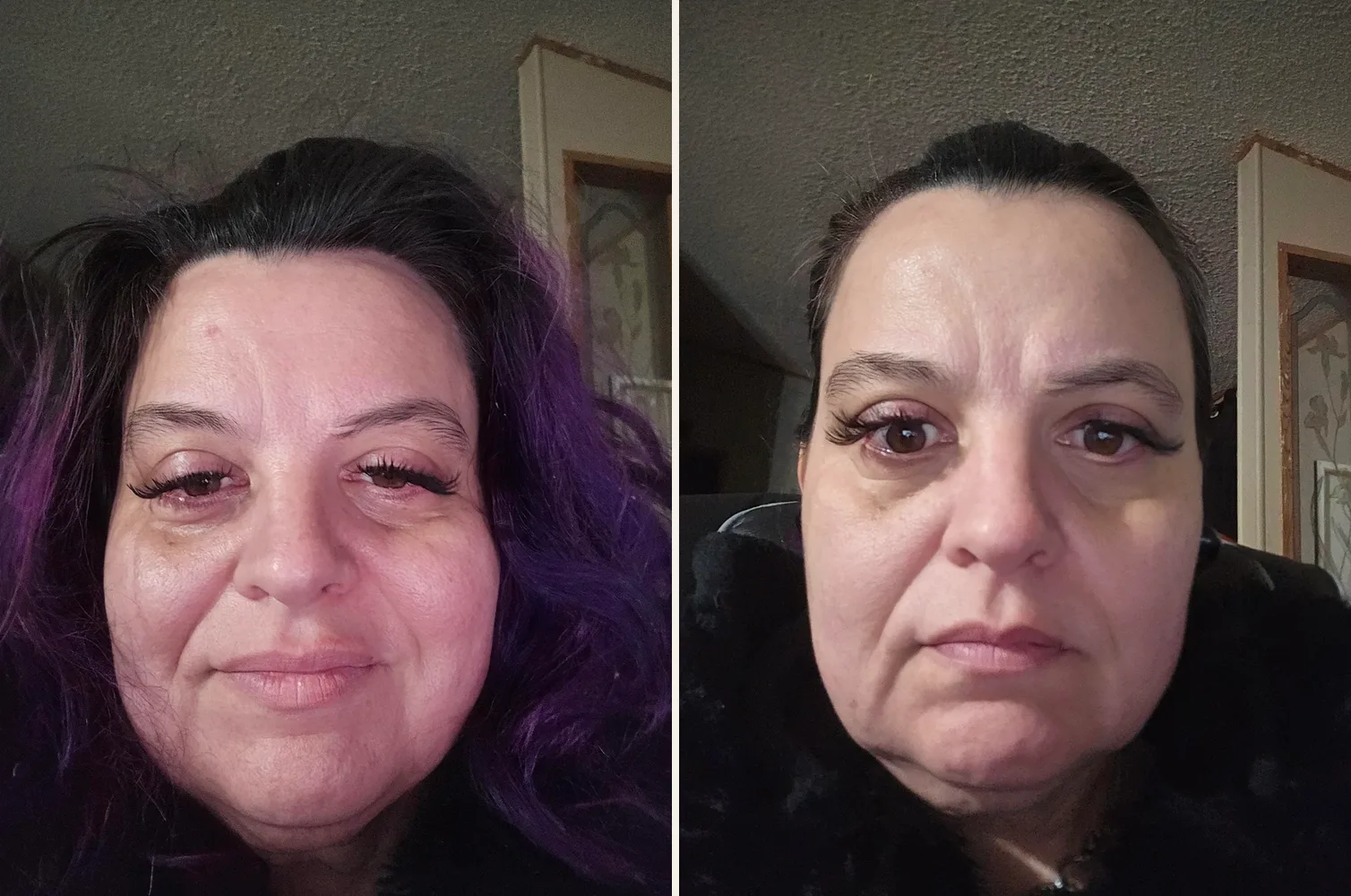
Your skin lost collagen faster than anyone warned you it would, and now you're staring at a peptide that could actually help rebuild it, except nobody can give you a straight answer on where to get it. GHK-Cu sits in a weird regulatory middle ground in 2026, and the buying options range from a $35 serum at Sephora to a $139/month prescription cream to a $45 research vial labeled "not for human use." Here's what each route actually costs, what you're getting for that money, and which one matches what you're trying to do with your skin.
Key Takeaways
- Prescription compounded GHK-Cu topicals run $99 to $200/month at 2% concentration and are the most straightforward legal route with physician oversight in 2026.
- OTC copper peptide serums ($30 to $120/month) typically contain less than 1% GHK-Cu, which limits what they can do compared to Rx-strength formulations.
- Research-grade lyophilized GHK-Cu costs $24 to $65 per vial (50mg to 100mg), with purity verified by third-party labs like Janoshik.
- Injectable GHK-Cu is FDA Category 2 restricted, meaning no US compounding pharmacy can legally prepare it as of mid-2026.
- The FDA's Pharmacy Compounding Advisory Committee (PCAC) is expected to review GHK-Cu for the 503A bulks list before the end of February 2027, which could change the access picture.
- Women on Rx GHK-Cu topicals at 2% or higher typically report visible skin texture and firmness changes starting around weeks 6 to 10.
---
Why Buying GHK-Cu Is Confusing Right Now
Six months ago, you could find compounding pharmacies offering injectable GHK-Cu without much fuss. That's over. The FDA reclassified injectable GHK-Cu to Category 2 (restricted) in spring 2026, pulling it from legal compounding entirely. Then the nomination for non-injectable GHK-Cu got withdrawn, then partially un-withdrawn, and as of May 14, 2026, GHK-Cu for non-injectable routes is back in Category 1 (under evaluation, not approved, not banned). Regulatory whiplash is the only honest way to describe it.
What this means in practice: topical GHK-Cu lives in a gray-but-functional zone where physicians can prescribe it and 503A/503B pharmacies can compound it. Injectable is off the table through any legal US pharmacy. And OTC serums have always existed in their own cosmetic-regulation lane, which means almost no concentration or purity requirements.
Most of the guides floating around were written before the April 2026 reclassification. They're wrong now. The prices, the peptide legal status, the available routes have all shifted.
---
GHK-Cu FDA and Legal Status in 2026: What You Can Actually Get
There are three regulatory buckets, and they matter because they determine what a provider can prescribe and what a pharmacy can compound.
Bucket 1: OTC cosmetic. Any brand can put "copper peptides" in a serum and sell it without a prescription. These products fall under cosmetic regulation, not drug regulation. No minimum concentration requirement, no mandatory purity testing, no physician involvement. This is how brands like NIOD and The Ordinary sell their copper peptide products.
Bucket 2: Prescription compounded topical. A licensed physician writes you a prescription. A 503A pharmacy (patient-specific compounding, state-licensed, FDA-regulated) or a 503B outsourcing facility (can compound without individual prescriptions, subject to FDA cGMP inspections) prepares the cream or serum. GHK-Cu for non-injectable routes is currently Category 1 on the FDA's 503A bulk drug substance list, meaning it's under evaluation but can be compounded under the agency's interim policy. This is legal. Your provider will typically want a brief medical history, current medications, and your skin goals before writing the Rx.
Bucket 3: Injectable. As of April 2026, injectable GHK-Cu is Category 2 restricted. No US compounding pharmacy, 503A or 503B, can legally prepare it. The nominator who originally submitted GHK-Cu for the bulks list explicitly withdrew the injectable route. Any pharmacy claiming otherwise is operating outside FDA compliance.
The next inflection point: the FDA intends to consult the PCAC before the end of February 2027 about whether to formally add GHK-Cu to the 503A bulks list. That decision could either cement the topical route as fully sanctioned or change the picture again.
---
Every Way to Buy GHK-Cu: Comparison Table with Prices and Quality Grades
| Route | Typical Monthly Cost (2025-2026) | Concentration | Quality Assurance | Legal Status (US, mid-2026) | HOD Grade |
|---|---|---|---|---|---|
| OTC copper peptide serum (NIOD, The Ordinary, etc.) | $30 to $120 | Usually <1%, often undisclosed | Cosmetic-grade; no mandatory third-party testing | Legal, no Rx needed | C |
| Rx compounded topical (telehealth) (PlexusDx, similar platforms) | $139/mo flat | 2% standard | 503A pharmacy, USP 797 standards, COA available | Legal with physician Rx | A |
| Rx compounded topical (in-house clinic) (iThriveMD, similar) | $99 to $200/mo depending on size | 2% standard, up to 5%+ physician-directed | In-house lab, USP 797-certified, dual third-party testing (e.g., Eagle Analytical + ARL Labs) | Legal with physician Rx | A |
| Research-grade lyophilized peptide (Eternal Peptides, Alpha Peptides) | $24 to $65 per vial (50mg to 100mg); not a "monthly" cost | Raw peptide, you determine use | ≥99% purity, third-party COA (Janoshik, HPLC, ICP-MS) | Sold for research use only; not approved for human use | B |
A few notes on the grades. The Rx routes get an A because you have a physician in the loop, a regulated pharmacy preparing the product, and a concentration that's actually been studied for skin. Research-grade gets a B because the peptide purity is genuinely high and verified, but you're on your own for everything else. OTC gets a C not because the products are bad, but because the concentration ceiling is so low that the results ceiling is too.
---
Prescription Compounded GHK-Cu Topicals: What to Know Before You Pay
This is the route most women reading this should look at first. You get a real concentration (2% is the standard starting point, with some providers going to 5% or higher), a pharmacy that's actually regulated, and a provider who can adjust things if your skin reacts or if you want to combine GHK-Cu with other actives like tretinoin or niacinamide.
What the provider will ask. Expect a medical intake covering your skin history, current medications (especially anything affecting copper metabolism, like zinc supplementation or Wilson's disease history), allergies, and your specific goals. A good telehealth provider does an individual evaluation, not a checkbox questionnaire. If the "consultation" is three yes/no questions and an instant prescription, that provider isn't actually looking at you.
PlexusDx runs $139/month flat, ships a compounded GHK-Cu cream from a US 503A pharmacy, and includes async provider access. The intake is done online, and the cream ships to your door.
iThriveMD compounds their 2% GHK-Cu cream in-house in a USP 797-certified cleanroom. They source raw peptide from FDA-reviewed, DMF-listed manufacturers and run every batch through two independent labs (Eagle Analytical and ARL Labs). They offer 15g (roughly 1-month) and 45g (3-month) pump bottles. Pricing varies; a free consultation gets you the specifics.
503A vs. 503B, plain English. A 503A pharmacy makes your cream specifically for you, based on your prescription. A 503B outsourcing facility can make batches without individual prescriptions and is subject to more direct FDA oversight, including cGMP inspections. Both are legal pathways. The 503A route is more common for telehealth peptide prescriptions.
GHK-Cu's mechanism is well-documented in cell and animal models: it's a naturally occurring copper-binding tripeptide that promotes collagen synthesis, attracts immune cells involved in tissue repair, and acts as an antioxidant. Human clinical data on topical application specifically is thinner but consistent in direction. A 2009 study found that GHK-Cu facial cream applied for 12 weeks improved skin density and thickness compared to placebo and vitamin C cream. Evidence grade: small human studies, strong mechanistic support.
Women on 2% Rx topicals typically report noticeable texture improvement (smoother, more "bouncy" skin) starting around week 6 to 8, with firmness changes becoming more visible by week 10 to 14. These are community-reported timelines, not RCT endpoints, but they're remarkably consistent across forums and provider feedback.
---
OTC Copper Peptide Serums vs. Rx GHK-Cu: Is the Upgrade Worth It
The honest answer: OTC copper peptide serums are a fine place to start, and they're not a scam. But they have a hard ceiling.
The main issue is concentration. Most OTC products contain "copper peptides" (sometimes GHK-Cu, sometimes other copper-binding peptides like AHK-Cu) at concentrations well below 1%. Many don't disclose the exact percentage at all. Rx compounded formulations start at 2% and go up from there. That's not a marginal difference. Copper peptide research showing skin remodeling effects uses concentrations in the range that Rx products deliver, not what OTC products typically contain.
The second issue is formulation stability. GHK-Cu degrades when exposed to light, air, and certain pH ranges. Rx compounding pharmacies formulate for stability and test the finished product. OTC brands may or may not, and you have no way to verify.
| Factor | OTC Copper Peptide Serum | Rx Compounded GHK-Cu Topical |
|---|---|---|
| Concentration | Usually <1%, often undisclosed | 2% standard, 5%+ advanced |
| Peptide identity | May be GHK-Cu or other copper peptides | Specified GHK-Cu |
| Third-party testing | Rarely disclosed | COA available (pharmacy-dependent) |
| Monthly cost | $30 to $120 | $99 to $200 |
| Expected timeline to visible change | 8 to 16+ weeks, modest | 6 to 14 weeks, more pronounced |
| Requires prescription | No | Yes |
If you're curious about copper peptides and want to test the waters without a prescription, an OTC serum from a brand that actually names GHK-Cu on the ingredient list (not just "copper peptides") is a reasonable $35 to $60 experiment. But if you've already tried that and felt like nothing happened, the concentration gap is probably why.
---
Research-Grade GHK-Cu: What You're Getting for $45
Research-grade GHK-Cu is lyophilized (freeze-dried) peptide powder sold in vials, labeled "for research use only." It's the same molecule. The purity is often excellent. What's different is everything around it.
Pricing. Eternal Peptides sells GHK-Cu at $44.99 for 50mg and $64.99 for 100mg. Alpha Peptides runs $23.99 to $49.99 depending on size. These are per-vial prices, not monthly subscriptions.
Purity. Both vendors provide lot-specific Certificates of Analysis. Eternal Peptides uses Janoshik Analytical for independent third-party testing (HPLC for purity, mass spectrometry for identity, ICP-MS for heavy metals). Alpha Peptides runs five tests per batch: qualitative ID, percent purity by RP-HPLC, quantitative assay, heavy metals by ICP-MS, and conformity by ESI-MS. Stated purity is ≥99% for both.
What "research use only" means. These products are not manufactured under pharmaceutical cGMP conditions. They're not intended, labeled, or approved for human use. There's no physician writing a prescription, no pharmacy preparing a finished dosage form, and no one adjusting your protocol based on how your skin responds.
The practical reality. Women do use research-grade GHK-Cu topically, typically by reconstituting the lyophilized powder and mixing it into a carrier cream or serum base. This requires some knowledge of reconstitution, appropriate solvents, and sterile technique. The peptide itself, based on available COAs, is high-purity. The variables you're introducing are in the reconstitution and formulation steps, which is where contamination or degradation can happen if you're not careful.
There's no physician oversight on this route. If you have a copper sensitivity, Wilson's disease, or you're on medications that interact with copper metabolism, nobody is screening for that. Those are real medical contraindications that matter regardless of the source. If you're considering combining GHK-Cu with tretinoin, the layering protocol matters more than most people realize.
---
Your Next Move: Compare GHK-Cu Providers Side by Side
Your best route depends on three things: your budget, whether you want a provider involved, and how much you care about having a finished, tested product vs. doing the formulation yourself.
If you want the most straightforward path to 2% GHK-Cu on your face with a provider backing it, the Rx telehealth route at $139/month is the move. If you want in-house compounding with dual-lab testing, a clinic like iThriveMD gives you that. If you've done this before and you know what you're doing, research-grade at $24 to $65 per vial is the lowest cost-per-milligram option. For a broader look at what women actually pay across peptide routines, the monthly cost breakdown covers every route.
[Compare GHK-Cu providers side by side →] or Build your skin peptide plan → to get a recommendation matched to your budget and goals.
---
FAQ
Do I need a prescription to buy GHK-Cu? For compounded topical GHK-Cu at prescription-strength concentrations (2%+), yes. A licensed physician writes the Rx, and a 503A or 503B pharmacy fills it. OTC copper peptide serums don't require a prescription but contain much lower concentrations. Research-grade peptide is sold without a prescription but is labeled for research use only.
Is injectable GHK-Cu legal in the US in 2026? No. As of April 2026, injectable GHK-Cu is classified as FDA Category 2 restricted. No US compounding pharmacy can legally prepare it. The nominator who originally submitted GHK-Cu for the 503A bulks list withdrew the injectable route specifically.
How much does prescription GHK-Cu cream cost per month? $99 to $200/month depending on the provider and volume. PlexusDx charges a flat $139/month. iThriveMD offers 15g and 45g sizes at varying price points. Most telehealth providers include the consultation in the subscription cost.
What concentration of GHK-Cu actually works for skin? The research that shows measurable effects on collagen and skin thickness uses concentrations in the range that Rx formulations deliver (2%+). OTC products at <1% may provide mild antioxidant benefit but are unlikely to produce the firmness and density changes seen in studies. Physicians may prescribe up to 5% or higher for advanced protocols.
What's the difference between a 503A and 503B compounding pharmacy? A 503A pharmacy compounds medications for individual patients based on specific prescriptions. It's state-licensed and FDA-regulated. A 503B outsourcing facility can compound batches without individual prescriptions and is subject to FDA cGMP inspections. Both are legal pathways for compounding GHK-Cu topicals. Most telehealth peptide prescriptions go through 503A pharmacies.
Are research-grade GHK-Cu peptides safe to use on my skin? The peptide itself, when verified at ≥99% purity with a legitimate COA, is the same molecule. The risk variables are in reconstitution, formulation, and the absence of physician oversight. If you have copper-related medical conditions (Wilson's disease, copper sensitivity) or take medications that affect copper metabolism, those contraindications apply regardless of the source.
How do I read a GHK-Cu Certificate of Analysis? Look for three things: purity percentage by HPLC (you want ≥98%, ideally ≥99%), identity confirmation by mass spectrometry (the molecular weight should match GHK-Cu at ~340.38 Da), and heavy metals testing by ICP-MS (copper content will be present because it's a copper peptide, but other heavy metals like lead, mercury, and arsenic should be below detection limits or at trace levels).
Can I get GHK-Cu through telehealth or do I need an in-person visit? Telehealth works. Providers like PlexusDx handle the entire process online: async medical intake, provider review, prescription, and shipping. No in-person visit required. The provider should still do an individual evaluation of your history and goals, not just a form that auto-approves. Our peptide telehealth rankings cover which platforms are worth your money.
How long until I see results from GHK-Cu topical? Women on 2% Rx topicals consistently report texture changes (smoother, more resilient skin) starting around weeks 6 to 8. Firmness and density improvements tend to become noticeable around weeks 10 to 14. Full collagen remodeling is a slower process; collagen turnover in adult skin takes months, so a 3 to 6 month commitment is realistic for meaningful visible change. For a detailed week-by-week breakdown, see the GHK-Cu results timeline.
Is the GHK-Cu in drugstore copper peptide serums the same compound? Sometimes, sometimes not. "Copper peptides" is a broad category that includes GHK-Cu, AHK-Cu, and other copper-binding peptides. If the ingredient list says "copper tripeptide-1," that's GHK-Cu. If it says "copper peptides" generically, it could be a mix. The bigger difference is concentration: drugstore serums are typically well below 1%, while Rx formulations start at 2%.